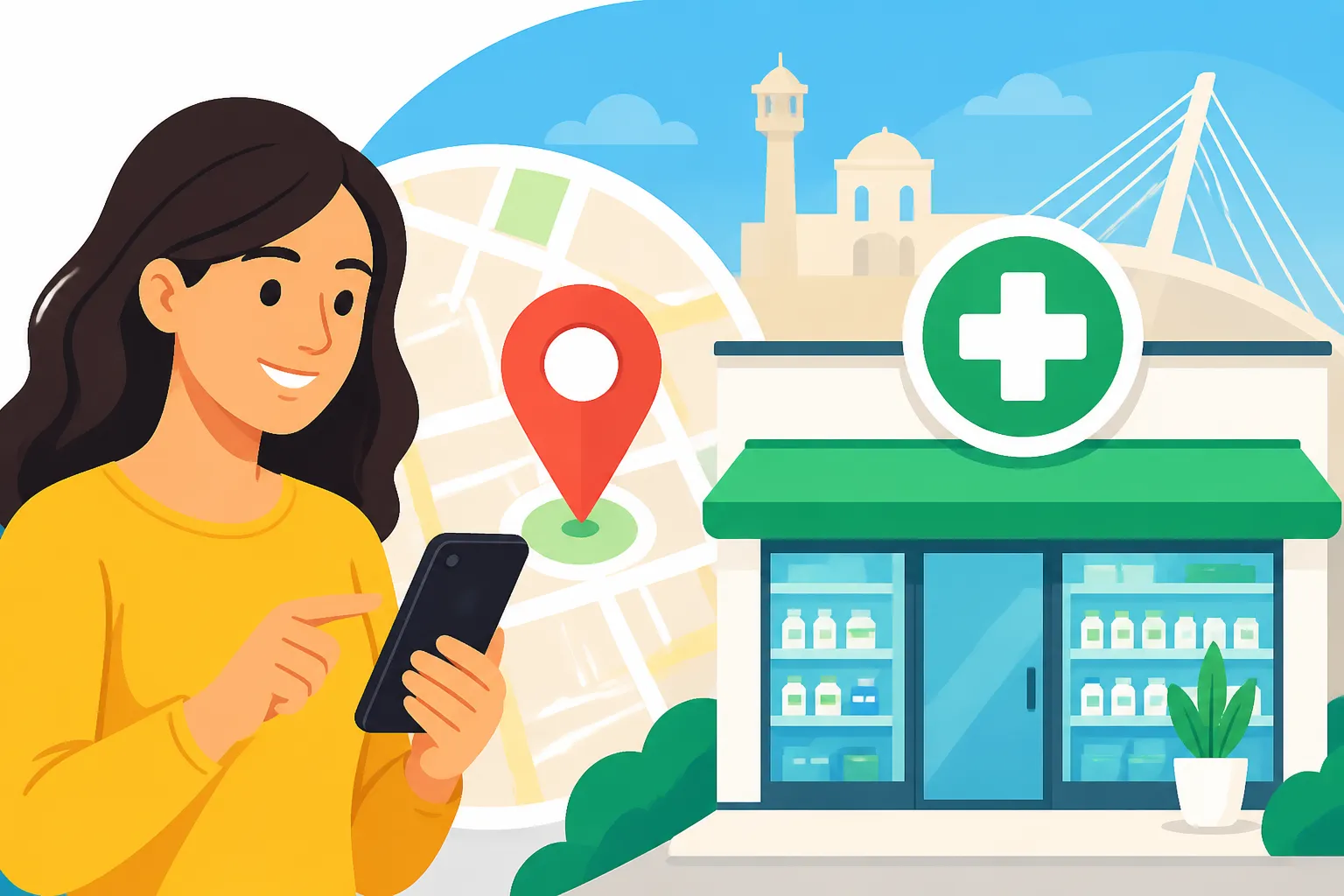
How Do I Find a Pharmacy (Beit Mirkachat) Near Me in Be’er Sheva?
Landing in Be’er Sheva as a newcomer is often an exercise in sensory overload, from the dry heat of the Negev to the labyrinthine layouts of the older neighborhoods. One of the most stressful experiences you can face is needing urgent medication and realizing you have no idea where to find a "Beit Mirkachat" (pharmacy) that is open, stocks what you need, or has an English-speaking pharmacist. This guide provides a comprehensive, hyper-local roadmap to navigating the pharmacy system in Be’er Sheva, ensuring you never feel stranded when health issues arise.
Understanding the Pharmacy Landscape in Be’er Sheva
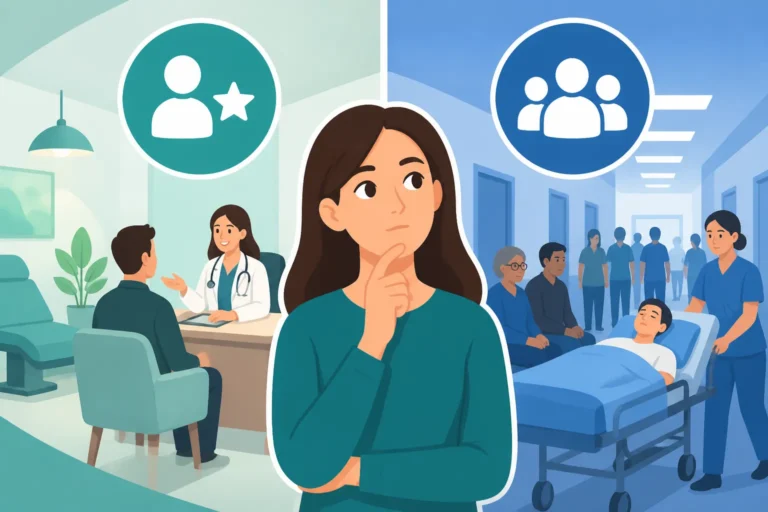
Finding a pharmacy in the "Capital of the Negev" isn't just about spotting a green cross sign. In Israel, the system is split into three distinct categories: pharmacies owned by your specific Health Fund (Kupat Holim), private chains like Super-Pharm or Be, and independent neighborhood pharmacies. Each serves a different purpose, and knowing which one to visit can save you hours of frustration and potentially hundreds of shekels.
Public vs. Private Pharmacies
If you are a resident or a new immigrant (Oleh Chadash), your first point of contact will likely be the pharmacy located inside your Kupat Holim clinic. Whether you are with Clalit, Maccabi, Meuhedet, or Leumit, these pharmacies are where you get the deepest discounts on prescriptions. However, they have one major drawback: their hours are often limited to standard clinic times, usually closing early on Tuesdays and mid-day on Fridays.
Private chains, most notably Super-Pharm and Be, function more like a Boots in the UK or a CVS in the US. They are often located in major hubs like the Grand Canyon Mall or the Seven Stars Mall (Kanyon Shivat Hakochavim). While they are much more likely to have English-speaking staff and longer hours, you may pay slightly more for over-the-counter medications. For those who aren't yet registered with the national health system, such as tourists or digital nomads, having a plan like SafetyWing can be a lifesaver, as it allows you to seek private care and then seek reimbursement for necessary medications purchased at these retail locations.
The Role of the Kupat Holim in Medication
To get the most out of the Israeli system, you must understand how Understanding the Israeli Pharmacy (Beit Mirkachat) System actually functions. Most medications in Israel are subsidized by the state through the "Health Basket." When you visit a Clalit pharmacy in Be’er Sheva’s Neighborhood B, the pharmacist swipes your magnetic card, and the price is automatically adjusted based on your coverage.
If you attempt to fill a Kupat Holim prescription at a private chain like Super-Pharm, you can still get a discount, but only if that specific branch has a "heskem" (agreement) with your health fund. If you are ever confused about what is covered, you should look into Understanding the Health Basket (Sal Briut) and What It Covers to see why some medications cost 15 NIS while others cost 150 NIS.
Finding a Pharmacy Near You in Be’er Sheva
Be’er Sheva is a sprawling city, and your "near me" depends heavily on whether you are in the university area, the high-tech park, or the residential suburbs. The city is divided into "Schunot" (neighborhoods), and each has its own unique logistical quirks when it comes to medical access.
Major Pharmacy Chains and Shopping Malls
The most reliable places to find a pharmacy with extended hours are the city’s major shopping centers. Super-Pharm has a massive presence in Be’er Sheva. The branch in the Grand Canyon Mall (on Tuviyahu Blvd) is a staple for expats because it is centrally located and the staff are accustomed to dealing with the international student population from Ben-Gurion University.
Another high-traffic option is the Super-Pharm in the One Plaza center or the branch at the Big Center. These locations are ideal because they remain open late into the evening, long after the neighborhood clinics have shuttered. For visitors or those waiting for their official residency papers, using a service like SafetyWing ensures that if a sudden infection requires a trip to one of these pharmacies after an urgent care visit, the financial burden is managed.
Neighborhood-Specific Options
If you live in the more residential areas like Ramot or Neve Ze'ev, you might prefer a local independent pharmacy. These smaller shops, such as "Mirkachat Ramot," often provide a more personal touch. The pharmacists there often know the local doctors well and can help you navigate How Do I Fill a Prescription at a Pharmacy in Israel? if your digital prescription isn't showing up in the system.
In the Old City (HaIr HaAtika), you will find older, independent pharmacies that feel like a step back in time. While they might not have the glitz of the big chains, they are often excellent at compounding specific medications or finding niche brands that the big chains don't bother to stock. Just keep in mind that Hebrew or Russian will likely be the primary languages spoken in these smaller shops.
Late-Night and Emergency Pharmacies in Be’er Sheva
One of the most terrifying things for an expat is a child’s fever at 2 AM on a Tuesday. In Be’er Sheva, pharmacies do not stay open 24/7 by default. Instead, the city operates on a "Toran" (duty/rotation) system. This means that every night, a different pharmacy is designated as the emergency branch.
The Rotational Toran System
The emergency pharmacy schedule is published by the Be’er Sheva municipality. You can usually find this list posted on the door of any pharmacy that is currently closed, or you can check the city’s official website (though it is mostly in Hebrew). If you find yourself in a situation where you need medication urgently in the middle of the night, you should first check Emergency Medical Care in Israel: What Every Newcomer Needs to Know to understand your rights and the costs involved.
When a pharmacy is "on duty," they may keep their lights off and the door locked for safety. You typically have to ring a buzzer and speak to the pharmacist through a small window. Be prepared to show your Teudat Zehut (ID) and your prescription. If you are a traveler covered by SafetyWing, keep your receipts and a copy of the prescription, as these are vital for your insurance claim later.
24/7 Options and Weekend Coverage
On Shabbat (Friday evening through Saturday evening), almost everything in Be’er Sheva closes. However, there is usually at least one Super-Pharm in a major mall (like the Grand Canyon) that remains open on Saturday, though often with a "Shabbat surcharge" of a few shekels. If the situation is dire and no pharmacy is open, your next stop would be the emergency room at Soroka Medical Center or a private "Terem" clinic. Before heading out, it is worth knowing How Do I See a Doctor Outside of Business Hours in Israel? so you don't end up waiting six hours for a simple prescription.
| Pharmacy Type | Typical Hours | Best For | Payment |
|---|---|---|---|
| Kupat Holim Pharmacy | 8:00 – 19:00 (Split shifts) | Deeply subsidized prescriptions | Health fund card + Credit card |
| Super-Pharm / Be | 8:30 – 22:00 (Daily) | OTC meds, toiletries, and late-night needs | All major credit cards / Cash |
| "Toran" (Duty) Pharmacy | 22:00 – 08:00 (Rotation) | True medical emergencies at night | Often includes a small night fee |
| Hospital Pharmacy (Soroka) | 24/7 (Internal use) | Patients being discharged or ER visits | Usually handled via hospital billing |
Navigating Hebrew and Administrative Hurdles
The language barrier is a real frustration. Even in a city with a high concentration of academics like Be’er Sheva, not every pharmacist is fluent in English. This can lead to dangerous misunderstandings regarding dosage or potential side effects.
Reading Prescriptions and Finding English Speakers
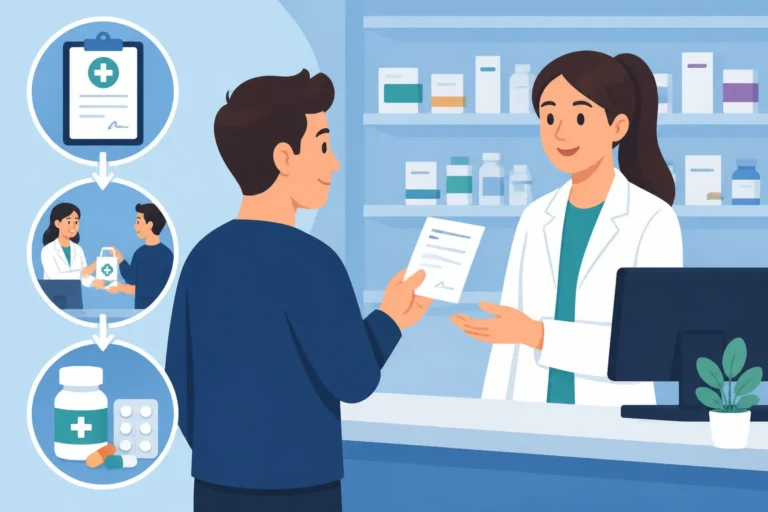
Most prescriptions in Israel are digital. They are linked to your Teudat Zehut number and stored on your health fund card. When you walk into a pharmacy, you don't hand over a piece of paper; you hand over your card. If you are using a private doctor and have a paper prescription, ensure the doctor has written the name of the drug in Latin characters (English/Latin), as pharmacists are trained to recognize these even if they don't speak English fluently.
If you are struggling to communicate, you can ask, "Efshar l'daber Anglit?" (Is it possible to speak English?). In Be’er Sheva, many younger pharmacists or those working near the university will be able to assist. If you need a more permanent solution for your healthcare, you might want to look into How Do I Find an English-Speaking Doctor in Israel? to ensure your primary care is handled in a language you fully understand.
The Cost of Medications and Co-Payments
Don't be surprised if the price of your medication changes depending on where you buy it. This is due to Understanding Co-Payments (Hishtatfut Atzmit) in the Israeli Health System. The government sets price ceilings for many drugs, but private pharmacies can add service fees for non-members.
For those living here long-term, it is essential to understand the different levels of insurance. You might ask yourself, Is Bituach Mashlim Worth It for Expats in Israel? when you see the price difference for non-essential medications or specialized vitamins. Always ask the pharmacist for the "genari" (generic) version of a drug to save money, as they are often significantly cheaper than the brand-name equivalents like Tylenol or Advil (which are sold here as Acamol or Optalgin).
Practical Tips for Expats in Be’er Sheva
Be’er Sheva is a city built on community and "protekzia" (who you know), but you don't need a cousin in the Ministry of Health to get your meds if you follow these practical tips:
- Use the Apps: The Clalit and Maccabi apps have a "Find a Pharmacy" feature that uses GPS to show you what is open right now.
- Stock Up Before Shabbat: Do not wait until Friday afternoon to realize you are out of your chronic medication. The lines at the few open pharmacies on Friday morning in the city center are legendary and best avoided.
- Check for "Beit Mirkachat Toran" Online: The Be'er Sheva Municipality Facebook page or website often updates the night-duty rotation. Use Google Translate on the page if your Hebrew isn't there yet.
- Know Your Neighborhood: If you are a student, the pharmacy in the Student Union building or the Super-Pharm near the "Merkaz Morim" (Teachers' Center) is your best bet for English service.
- International Insurance: If you are a visitor or between visas, carry your SafetyWing card. While they won't pay the pharmacist directly, having your policy details helps if you end up at Soroka and need to prove you have coverage for the subsequent prescriptions.
If you are moving with a family, you will also spend a lot of time at Understanding the Role of Tipat Halav (Family Health Centres) in Israel. These centers often provide vouchers or specific recommendations for infant vitamins and creams that you will need to pick up at the pharmacy, so keep those documents organized.
Finding a pharmacy in Be'er Sheva shouldn't feel like an archaeological dig in the desert. With a little bit of foresight—and knowing which mall has the "good" Super-Pharm—you can navigate the Israeli healthcare system with the confidence of a seasoned local. Whether you are dealing with a seasonal flu or managing a chronic condition, the resources are there; you just need to know which door to ring at 11 PM.
Disclaimer
This guide is for informational purposes only and does not constitute medical or legal advice. Healthcare regulations and pharmacy locations in Israel can change frequently. Always consult with a licensed medical professional or your Kupat Holim representative for specific medical needs. For official emergency information, contact Magen David Adom by dialing 101 or visit the official website of the Be’er Sheva Municipality.