Can I Use Telemedicine Services Through My Kupah in Israel?
When you are lying in bed with a splitting headache or a sudden fever in Tel Aviv or Jerusalem, the last thing you want to do is navigate a crowded waiting room filled with coughing strangers and a receptionist who may or may not speak English. This guide explains exactly how to use the extensive telemedicine services offered by Israeli health funds to skip the queue and get care from your couch.
Understanding Telemedicine within the Israeli Health Basket
Telemedicine in Israel has evolved from a futuristic concept into a daily necessity for thousands of residents. As an expat, you might be used to private telehealth apps that charge a premium, but in Israel, digital care is deeply woven into the public system. Most of what you need is covered under the basic law, provided you know which buttons to press in your provider’s app.
The Evolution of Digital Care in the Israeli Public System
In the years following the global pandemic, the Israeli Ministry of Health significantly accelerated the integration of digital services. It is no longer just about video calls; it is about a holistic digital ecosystem. When you look at How Israel's Health Funds (Kupot Holim) Work: A Full Overview, you see a system built on four competing non-profit organizations. This competition has actually benefited us as patients, because each Kupah (health fund) is constantly trying to outdo the others with better apps, faster response times, and more intuitive digital interfaces.
For many of us who arrived with a limited Hebrew vocabulary, the shift to telemedicine has been a lifesaver. Instead of trying to explain a rash to a pharmacist in broken Hebrew, you can now upload a high-resolution photo to a specialist through a secure portal and receive a signed prescription (Mersham) directly to your phone. It removes a massive layer of administrative friction that used to define the Israeli medical experience.
What the Health Basket Covers Digitally
You might wonder if these high-tech consultations will cost you extra. Generally, most digital consultations with your primary care physician (Rofeh Mishpacha) or a pediatrician are included in your standard monthly membership. Understanding the Health Basket (Sal Briut) and What It Covers is essential here, as the "basket" dictates that basic medical consultation—whether in-person or via a screen—is a fundamental right.
However, there are nuances. While a video call with your family doctor might be free, a "virtual visit" with a high-level specialist might require a small co-payment, similar to an in-person visit. The beauty of the Israeli system is that once the consultation is over, the doctor can digitally issue a "Hafnaya" (referral) or a prescription that is instantly recognized by every major pharmacy chain like Super-Pharm or Be.
Digital Health Services Across the Four Kupot Holim
Every resident in Israel is a member of one of the four health funds. Depending on which one you chose during your Aliyah process or when you started your work contract, your digital experience will vary slightly. If you are still in the decision-making phase, you might want to look at Choosing a Kupat Holim in Israel: Clalit, Maccabi, Meuhedet or Leumit (2027) to see which one aligns with your tech preferences.
Clalit and Maccabi: The Tech Giants
Clalit is the largest provider in the country, and they have invested heavily in a service called "Clalit Online." They offer 24/7 pediatric and family medicine consultations. One of the coolest hyper-local features they offer is the TytoCare device integration. This is a small handheld device you can buy (often subsidized) that allows you to perform ear, throat, and lung exams at home while the doctor watches via the app. It is a game-changer for parents whose kids always seem to get ear infections at 2:00 AM on a Tuesday.
Maccabi, often considered the "high-tech" Kupah, has an incredibly robust app called "Maccabi K." They were among the first to allow patients to manage everything from their phones. How to Book Appointments Through Clalit and Maccabi Apps can guide you through the initial setup, which can be a bit tricky if your phone's region isn't set correctly. Maccabi's digital skin clinic is particularly impressive; you take a photo of a skin concern, and a dermatologist reviews it within 48 hours, often saving you a three-month wait for an in-person appointment.
Meuhedet and Leumit: Personalized Digital Approaches
Meuhedet has worked hard to bridge the gap for English speakers, offering a "Hybrid Clinic" model. This allows you to choose between a physical visit and a digital one within the same booking screen. Their app is cleaner than Clalit’s and often feels less cluttered. For expats living in areas like Givat Shmuel or parts of Jerusalem where Meuhedet is dominant, their digital response times for lab results are exceptionally fast.
Leumit, the smallest of the four, uses its size to its advantage by offering a more personalized digital touch. Their "Doctor on Call" service is surprisingly efficient. While they might not have the massive R&D budget of Clalit, their app is straightforward and avoids some of the "bloatware" feel of the larger providers. Regardless of which fund you use, the core functionality remains: video visits, secure messaging with your doctor, and digital document management.
How to Access Telemedicine Services Step-by-Step
Navigating these apps for the first time can feel like a test of your sanity, especially when the interface defaults to Hebrew. Most Kupot have an English version of their website, but the apps themselves can be hit-or-miss. Don't let this discourage you; once you are past the login screen, the icons are fairly universal.
Setting Up Your Digital Account
To start, you will need your Teudat Zehut (ID) number and the magnetic card issued by your Kupah. Most apps will require a "one-time password" (OTP) sent to the Israeli phone number registered with the fund. This is a common sticking point for newcomers who haven't updated their contact info. If you are struggling to find your way around the medical bureaucracy, knowing Where Can I Find an English-Speaking Doctor in Tel Aviv? can help, as these doctors are often the most comfortable using the video call features with their patients.
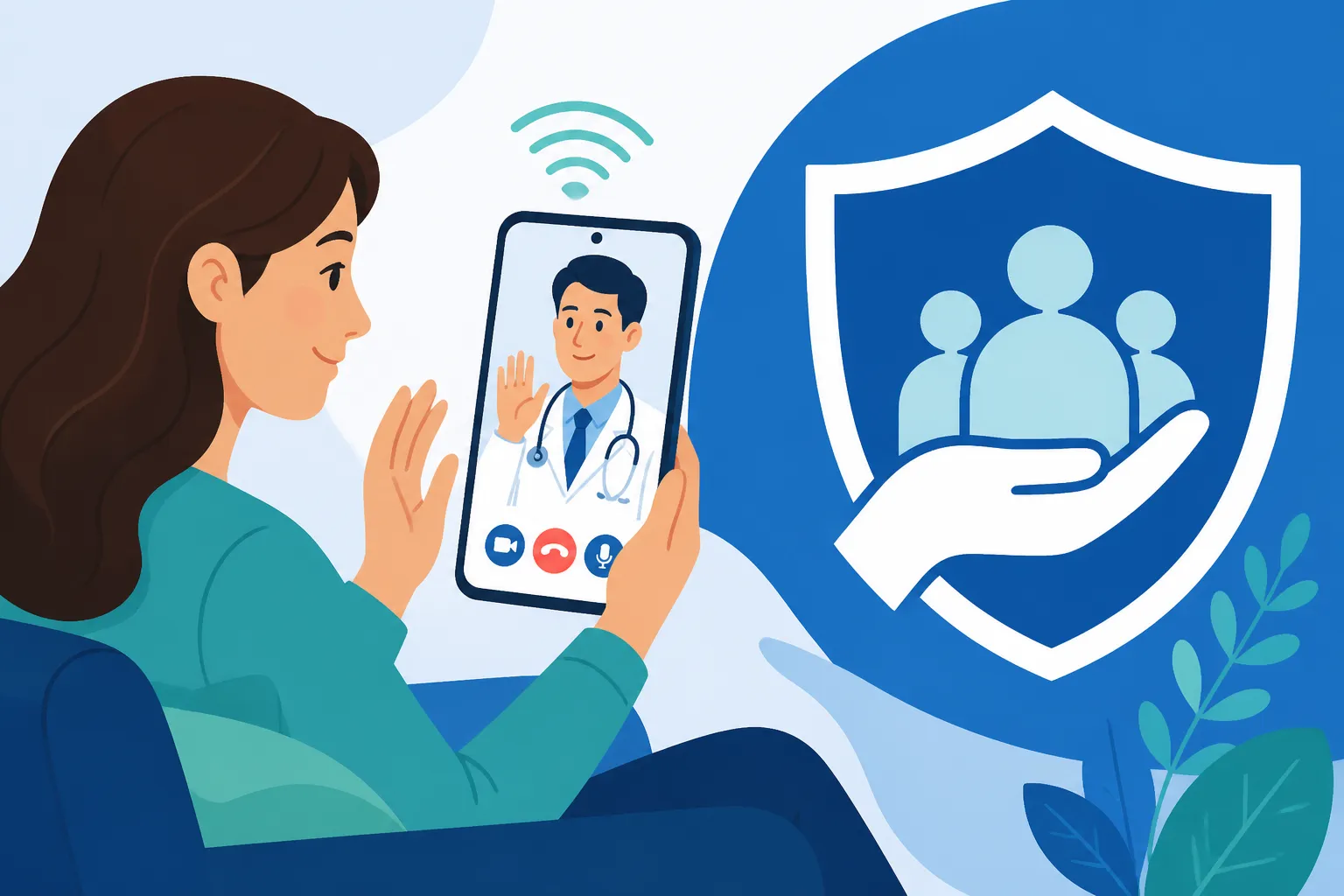
Once logged in, look for the "Video Visit" or "Digital Consultation" (Bikur Digitali) button. You will usually be asked to select the "reason for the visit" from a dropdown menu. If your specific symptom isn't there, just pick the closest one. You will then be given a time slot. Unlike in-person appointments, digital ones in Israel tend to run very close to schedule. You’ll receive a text message with a link a few minutes before the doctor is ready to see you.
Managing Referrals and Prescriptions Digitally
One of the most powerful features of the Israeli telemedicine system is the post-visit workflow. If the doctor determines you need a specialist, they will issue a digital referral. You don't need to go pick up a piece of paper. You can then go into the app and see that referral waiting for you. This is the first step in How to Get a Referral (Hafnaya) to a Specialist in Israel, and doing it digitally saves you a trip to the clinic.
Prescriptions are handled similarly. The doctor "signs" them digitally, and they are linked to your Teudat Zehut. You simply walk into a pharmacy, hand over your ID card, and the pharmacist sees the prescription on their screen. Many Kupot have even integrated with delivery services. If you are wondering, "Can I Get My Prescriptions Delivered in Israel?", the answer is increasingly "yes," especially in major cities, where your medication can arrive at your door within a few hours of your virtual appointment.
| Feature | Clalit | Maccabi | Meuhedet | Leumit |
|---|---|---|---|---|
| 24/7 Pediatrician | Yes (Video) | Yes (Phone/Video) | Yes (Video) | Yes (Phone) |
| English App Interface | Partial | Partial | Good | Limited |
| Specialist Video Calls | Wide Range | Extensive | Moderate | Moderate |
| Home Exam Hardware | TytoCare | Own Brand | No | No |
| Digital Prescription | Seamless | Seamless | Seamless | Seamless |
Supplemental and Private Options for Digital Health
While the Kupot are excellent, they aren't always the perfect fit for everyone. There are times when the wait for a specific digital specialist is too long, or perhaps you are in a transition period and don't have full coverage yet. For those who are working on a specific visa, understanding How to Access Healthcare on a Work Visa in Israel is vital, as your employer-mandated insurance might use a different portal than the standard Kupah apps.
When to Consider Private Telemedicine
Private medicine in Israel (known as Sharap in some contexts) offers even faster digital access. If you need a second opinion from a world-renowned surgeon at Tel Hashomer or Hadassah, you might pay for a private digital consultation. The cost of healthcare in Israel often surprises people because while public care is cheap, private specialist consultations can run between 800 to 1,500 NIS. However, if you have "Bituach Mashlim" (supplementary insurance), you can often get 80% of this cost reimbursed.
Another scenario where private options shine is for those who are not yet residents. If you are a digital nomad or an expat waiting for your residency papers to clear, you won't have access to the Kupah apps yet. In these cases, a global provider like SafetyWing can be an essential bridge. SafetyWing provides travel and health insurance that often includes their own telehealth portals, allowing you to speak to an English-speaking doctor without needing an Israeli ID number. This is particularly helpful for those who move between countries and need a consistent digital medical record that isn't tied to a single national system.
SafetyWing for the Modern Expat in Israel
For many of my friends who live the "startup nation" lifestyle, working remotely from a beach in Herzliya, SafetyWing offers a level of flexibility that the local Kupah system simply isn't designed for. While the Kupah is built for people living their whole lives in Israel, SafetyWing understands the expat who might be in Tel Aviv for six months and then London for three.
Furthermore, SafetyWing can act as a safety net. If you are a new immigrant, there is sometimes a waiting period before your full benefits kick in. During those first few weeks, having access to a global telemedicine platform ensures you aren't left stranded if you catch a flu. It also provides a purely English-speaking environment, which can be a massive relief when you are feeling vulnerable and sick. While you should eventually integrate into the Israeli Understanding the Israeli Pharmacy (Beit Mirkachat) System, having a global backup like SafetyWing ensures you are never truly without care.
Final Practical Tips for Success
To make the most of telemedicine in Israel, you need to be a bit proactive. The system is efficient, but it rewards those who know how to navigate the digital bureaucracy. Always ensure your "personal area" (Ezor Ishi) on the website is updated with your current email and Israeli mobile number. Without this, you won't receive the crucial SMS links for your video calls.
Secondly, don't be afraid to ask for an English-speaking doctor when booking. Even if the app is in Hebrew, many Kupot allow you to filter doctors by language. This can make the virtual visit much more productive. Finally, remember that digital medicine is a tool, not a total replacement. If you have a physical injury or a condition that requires a hands-on exam, the doctor will likely use the digital visit to "triage" you and give you an urgent referral to a physical clinic, ensuring you don't wait in the general line when you arrive.
Disclaimer
This guide is for informational purposes only and does not constitute medical or legal advice. Healthcare laws and health fund offerings in Israel are subject to change. Always consult with a qualified medical professional or your specific health fund representative for the most current information regarding your coverage and treatment options.