How Do I Enrol in an Israeli Public Primary School as a Foreigner?
Moving to Israel with children is an adventure, but let's be honest, it often feels more like navigating a maze blindfolded. One of the biggest stressors for expat parents is figuring out how to get their kids into school, especially the public system, which can feel like a complete mystery if you're not an Oleh Chadash (new immigrant). This guide is here to untangle that process, offering a realistic, step-by-step walkthrough for enrolling your foreign-born child in an Israeli public primary school, helping you cut through the confusion and get your little ones settled.
Understanding the Israeli Public School System for Foreigners
Before diving into the nitty-gritty of paperwork, it’s crucial to understand the landscape of Israeli public education and where your family might fit in. It's not always straightforward, but knowing the system's quirks will save you a lot of headaches.
Who Qualifies for Public School Enrollment?
This is often the first, and most complex, question. Unlike some countries where any resident child is automatically eligible, Israel's public school system primarily caters to its citizens and permanent residents. However, it does extend to a few other categories, often with some municipal discretion.
If you’ve made Aliyah, meaning you are a new immigrant under the Law of Return, your children are automatically entitled to public education from the moment you receive your Teudat Oleh and Teudat Zehut. This is a huge benefit, and the system is generally set up to absorb new Olim children with various support mechanisms. You'll likely want to delve into resources like Understanding Aliyah Eligibility Under the Law of Return (2027) for a comprehensive overview of who qualifies.
For those on different types of visas, the situation can be a bit more nuanced. If you hold an A/5 temporary resident visa, which is common for non-Jewish spouses of Israeli citizens or long-term residents, your children are generally eligible for public schooling. The A/5 status grants many rights akin to permanent residents, including access to public education and healthcare.
However, if you're in Israel on a B/1 work visa, the situation can get tricky. While your children might be physically present and living here, access to public education isn't always guaranteed at the national level. Many municipalities, particularly in larger cities with significant expat populations like Tel Aviv, will allow children of B/1 visa holders to enroll, but it’s often at their discretion and can sometimes involve a fee. It’s absolutely essential to check with the specific Iriya (municipality) or Moatza Mekomit (local council) where you reside. Don't assume anything; confirm directly with the education department. Even for those on work visas, understanding your rights and how to navigate bureaucratic systems is key, and guides like The Expat Guide to Israeli Visas and Residence Permits (2027) can be really helpful.
The Structure of Primary Education in Israel
The Israeli school year generally runs from September 1st to June 30th, though holidays (especially during Jewish festivals) are frequent and often mean extended breaks. Primary education, known as Beit Sefer Yessodi, covers grades 1 through 6, typically for children aged 6 to 12. Before primary school, there's Gan Hova, which is mandatory kindergarten for 5-year-olds, ensuring all children start first grade with a baseline of social and academic readiness.
School days usually run from about 8:00 AM to 1:00 PM or 2:00 PM, though many schools offer optional Tzaharonim (after-school programs) that extend the day until 4:00 PM or 5:00 PM, often including a hot lunch and homework help. These programs are usually paid for by parents, with costs varying significantly by municipality and income level. The curriculum covers core subjects like Hebrew, math, science, history, geography, English (starting in mid-primary), and religious studies (even in secular schools, there’s an emphasis on Jewish heritage and holidays). Don't expect a lot of arts or sports in the regular school day; those are often relegated to after-school activities.
The system places a strong emphasis on group learning and national identity. Teachers are often seen as authority figures, and classrooms can be quite lively. While the academic standards are generally high, the approach can be different from what many foreigners are used to. For families considering the move, it’s worth looking at broader information about Schools and Education in Israel: A Complete Guide for Expat Families to get a full picture.
Language Barrier and Integration Support
The biggest hurdle for many foreign children is, naturally, the language. Public schools primarily operate in Hebrew. For new Olim children, there are often dedicated programs called Ulpan Klitah within schools or regional centers. These are intensive Hebrew language courses designed to integrate children into the system quickly, sometimes for a few hours a day, sometimes for the first year. The goal is to get them proficient enough to follow regular classes.
For children of non-Olim expats, direct Ulpan Klitah support might not be available, and your child will often be placed directly into a regular Hebrew-speaking classroom. Schools often have Siyua (support) teachers or assistants who can provide individual or small-group help in Hebrew, but this varies widely by school and municipality resources. It’s important to ask what support is available during enrollment.
My advice? Start exposing your child to Hebrew as much as possible before they begin school. Apps, cartoons, simple books, or even an informal Hebrew tutor can make a world of difference. Kids are sponges, and they pick it up surprisingly fast, especially in an immersive environment. However, the initial weeks and months can be challenging and emotionally taxing. Be prepared for frustration, patience, and lots of encouragement. It's not just about learning a language; it's about learning in a new language, which is a whole different ballgame. You might also want to explore resources like Learning Hebrew: A Complete Guide to Ulpan and Language Levels to help with your own language journey, which will indirectly support your child's integration.
The Step-by-Step Enrollment Process
Now, let's get down to the practicalities. Enrolling your child is less about walking into a school and more about dealing with the local bureaucracy, specifically your municipal council.
Gathering Your Essential Documents
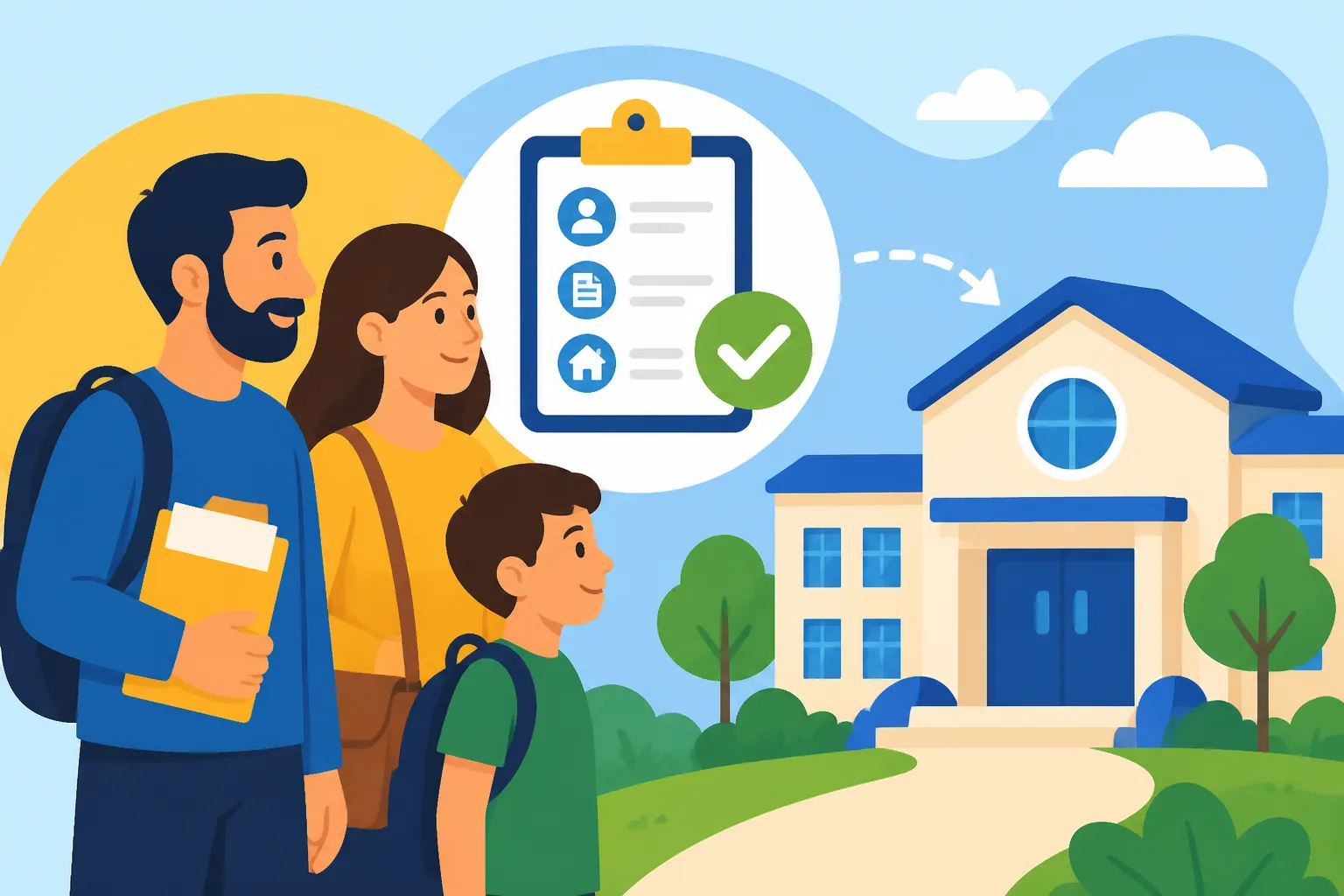
Before you even think about approaching the Iriya, get your documents in order. This isn't just a suggestion; it's a non-negotiable step. Israeli bureaucracy loves paperwork, and missing even one item can send you back to square one, costing you precious time.
Here’s a typical list of documents you'll need. Make sure you have both original copies and several photocopies. It’s also wise to have professional translations of any documents not in Hebrew or English.
- Your (Parent/Guardian) Teudat Zehut or Passport: This proves your identity and residency status. For Olim, the Teudat Zehut is critical. For others, a valid passport with your current visa stamped inside is essential.
- Child’s Teudat Zehut or Passport: Similarly, for the child needing to be enrolled. Their visa status must match yours.
- Child’s Birth Certificate: This proves their age.
- Proof of Address: This is paramount, as school placement is strictly by catchment area. You'll need an Arnona (municipal property tax) bill in your name, a rental contract (Chozeh Schirut) registered with the municipality, or a utility bill (electricity, water, gas) that clearly shows your current Israeli address. This usually needs to be recent – within the last three months. Understanding How to Sign a Rental Contract (Chozeh Schirut) in Israel and Understanding Arnona (Municipal Property Tax) in Israel will be invaluable here.
- Vaccination Records: Your child's immunization history is required. If coming from abroad, ensure it's translated and cross-referenced with Israeli vaccination schedules. You might be asked to get certain vaccinations updated or verified by a local Kupat Holim (health fund) doctor.
- Previous School Reports/Transcripts: While not always mandatory, having these translated can help the school understand your child's academic background and placement level.
- Proof of Aliyah (if applicable): Your Teudat Oleh will be needed to confirm your new immigrant status and associated benefits.
It's a good idea to keep all these documents in a dedicated folder. And don't forget digital copies! Using a service like Airalo for an eSIM ensures you have internet connectivity to access digital documents, make online appointments, or look up information on the go, which is often crucial when dealing with Israeli administrative processes.
Registering with Your Local Municipality (Iriya)
Unlike many countries where you register directly with the school, in Israel, the gateway to public education is your local Iriya (municipality) or Moatza Mekomit (local council). You need to register your child with their education department, often called Agav Chinuch (Education Department) or sometimes Reshuma ve'Chinuch (Registration and Education).
First step: Find the specific department responsible for school registration in your city. A quick search on your municipal website (e.g., Tel Aviv Iriya or Jerusalem Iriya) should point you in the right direction. It's often best to call ahead and make an appointment (li'kboa tor). Walk-ins are sometimes accepted, but expect long waits.
When you go to the Iriya, bring ALL your gathered documents. They will review your eligibility based on your residency and proof of address. If everything is in order, they will issue you a registration form or a letter of placement, typically assigning your child to a school within your ezor rishum (catchment area). This assignment is usually based on your residential address. For many expats, especially Olim, the process for How to Register Your Address at the Misrad HaPnim in Israel is a prerequisite for all municipal services, including school registration.
School Placement and Appeals
Once the Iriya assigns your child to a school, that’s usually where they’ll go. The system aims for neighborhood schools, so your child will likely be placed in the primary school closest to your declared address. While this seems straightforward, it can sometimes be frustrating if you had your heart set on a particular school or if the assigned school doesn't have robust English-speaking support.
Can you appeal the decision? Yes, technically. You can submit a formal request to the Iriya's education department to transfer your child to a different school. However, be prepared for an uphill battle. Appeals are generally only granted under specific circumstances, such as a child having unique special needs that only another school can accommodate, or if there's a compelling family reason (e.g., another sibling already attends a different school). Simply not liking the assigned school or wanting a better "expat-friendly" option is rarely a valid reason for appeal.
If you are determined to try for a different school, do so as early as possible. Be polite but firm, and clearly state your reasons, backed by any relevant documentation. In reality, most families end up sending their children to the school they are assigned to, and often find that once they get past the initial hurdles, the local school community is welcoming and supportive.
Preparing Your Child (and Yourself!) for Israeli School
The administrative steps are just the beginning. The real work starts with preparing your child for a new academic and social environment, and honestly, preparing yourself too!
Bridging the Cultural and Social Gaps
Israeli classrooms can be a whirlwind of energy. The teaching style is often less formal than in some Western countries, with more direct communication and less emphasis on individual quiet work. Children are encouraged to participate, speak their minds, and debate. Teachers often have a close, almost parental, relationship with their students.
From a social perspective, Israeli kids are generally very welcoming. They’re curious about new children, especially those from abroad. Playdates and after-school activities are crucial for integration. Encourage your child to accept invitations, even if the language barrier is still significant. Sports, youth movements (like Tzofim – Israeli scouts), and local community centers (Matnasim) offer fantastic opportunities for making friends outside of school.
Be prepared for the culture shock. Your child might come home with stories that seem unusual, or express frustration. Validate their feelings, offer comfort, and most importantly, be patient. Integration takes time. Sometimes, just having a comfortable home base and a reliable support system can make all the difference, especially if you’ve used a moving service like Sirelo to ensure a smooth, stress-free relocation of your belongings, creating that familiar haven for your child.
Understanding School Supplies and Costs
Public primary education in Israel is nominally free, but in practice, there are quite a few hidden costs. You’ll be responsible for purchasing school supplies, which can be an extensive list provided by the school. This often includes textbooks (which you might buy directly from the school or a designated bookstore), notebooks, pens, pencils, art supplies, and specialized items. The Iriya or the school might offer a small subsidy for Olim or low-income families, so always inquire.
Beyond supplies, there are often Vaad Horim (Parents Committee) fees. These are collected by the parents' committee and cover various activities, enrichment programs, special events, and sometimes even additional teaching hours not fully funded by the Ministry of Education. These fees are usually mandatory and can range from a few hundred to over a thousand shekels per year, depending on the school and the programs offered. Don't be surprised by these; they are a standard part of the Israeli public school experience. For a broader financial picture, you might want to consult The Complete Guide to Cost of Living in Israel for Expats (2026) to understand these expenses in context.
Staying Connected and Communicating with the School
Communication is key, but it might not always be in your preferred language. Most Israeli schools rely heavily on WhatsApp groups for class communication. You'll likely be added to a group with the class teacher and other parents, where important updates, homework assignments, and social invitations are shared. If your Hebrew isn't strong, try to find a friendly parent who can help you translate in the beginning. Google Translate is your friend here!
Parent-teacher conferences are usually held once or twice a year, or by appointment. While many teachers, especially younger ones, will have some English proficiency, don’t expect fluent English conversations. It's respectful to try and use some basic Hebrew, or bring a friend to translate if possible. School apps are also becoming more common, offering a centralized hub for grades, announcements, and direct messaging with teachers. Learning how to navigate these digital tools will be essential.
Remember, the Israeli system values parental involvement. Being present, even if it's just showing up for school events, sends a strong message to your child and the school that you are engaged. This active participation will aid your child's integration and make the overall experience much smoother.
Here's a quick summary of the key documents you'll need:
| Document Type | Purpose | Required For | Notes |
|---|---|---|---|
| Parent's ID | Proof of Identity & Residency | All parents | Teudat Zehut (Olim), Passport with valid visa (expats) |
| Child's ID | Proof of Identity & Age | All children | Teudat Zehut (Olim), Passport with valid visa (expats) |
| Child's Birth Cert. | Proof of Age | All children | Original and translated copy (if not Hebrew/English) |
| Proof of Address | Determines School Catchment Area | All families | Recent Arnona bill, rental contract, or utility bill in your name |
| Vaccination Records | Health History & Compliance | All children | Translated, checked against Israeli schedule |
| Previous School Reports | Academic Background (optional but useful) | All children | Translated, helps with appropriate placement |
| Teudat Oleh | New Immigrant Status (if applicable) | Olim families | Confirms eligibility for Aliyah benefits, including education |
Navigating the Israeli public school system as a foreigner is certainly a journey, but with a bit of preparation and a lot of patience, your child can thrive. Embrace the challenges, celebrate the small victories, and remember that you're not alone in this adventure.
Disclaimer
The information provided in this guide is for general informational purposes only and does not constitute legal, financial, or medical advice. While we strive to provide accurate and up-to-date information, regulations and procedures in Israel can change frequently. It is always recommended to consult with the relevant Israeli government authorities, legal professionals, or other qualified experts for advice tailored to your specific situation. We cannot be held responsible for any inaccuracies or omissions.