Understanding the Annual Vehicle Test (Test Rishui) in Israel
Ah, the annual vehicle test, or as it's known here, the test rishui! If you've been driving in Israel for a while, you know this annual ritual can feel like a gauntlet. For newcomers, it's often a confusing, bureaucratic hurdle that pops up just when you think you've finally figured out the traffic circles. This guide is going to walk you through everything you need to know about the Israeli annual vehicle test, from preparing your car to understanding the re-test process, ensuring you're ready for your machon rishui visit.
What Exactly is the Annual Vehicle Test (Test Rishui)?
Let's face it, keeping a car running smoothly in Israel, especially with our unique driving habits and sometimes less-than-perfect roads, is a feat in itself. But beyond regular maintenance, there's that one appointment every year that sends shivers down many a driver's spine: the test rishui. This isn't just a simple safety check; it's a mandatory, comprehensive inspection of your vehicle to ensure it meets the Ministry of Transport's stringent safety and environmental standards. Fail it, and your car isn't legally allowed on the road.
The "Test" – More Than Just an Inspection
In Israel, the "test" (colloquially pronounced "tesst" by many, or more formally rishui for license renewal) is intrinsically linked to your vehicle's annual rishayon rechav, or vehicle license. You cannot renew your vehicle license without a valid test certificate. Think of it as your car's annual report card for roadworthiness. The process is designed to ensure that every vehicle actively driven on Israeli roads is safe, not only for its occupants but for everyone else sharing the road. This means everything from your brakes and lights to your tires and exhaust emissions will be scrutinized.
The stress involved often stems from the unknown – what might fail this year? Will the mechanics be honest? Will the testing station itself be efficient? It’s a completely different experience from, say, an MOT in the UK or a state inspection in the US, partly due to the language barrier for many expats, and partly due to a perception that some testing stations might be overly zealous. But at its core, it's a critical safety measure.
Who Needs to Do It and When?
Pretty much every single vehicle on Israeli roads requires an annual test rishui. There are a few exceptions, mostly for brand-new cars or very specific vintage classifications, but for the average private vehicle owner, it's an annual date you can't miss.
New private passenger cars (up to 3.5 tons) are often exempt from the test for their first two or three years, but after that, it's an annual affair. The exact date your test is due is printed on your rishayon rechav, usually towards the bottom right. It's typically tied to the month your car was first registered. Mark it in your calendar! Missing the deadline isn't just an inconvenience; it can lead to fines, accumulating interest on the unpaid rishayon rechav fee, and potentially a hefty penalty if you're caught driving with an expired license. Don't risk it. I've heard too many stories of people getting pulled over and facing unnecessary headaches because they simply forgot.
Preparing Your Vehicle for the Test Rishui
You wouldn't show up to a job interview without preparing, would you? Well, your car deserves the same courtesy before its annual grilling. A little proactive work can save you a lot of time, money, and frustration down the line.
Common Failure Points and What to Check
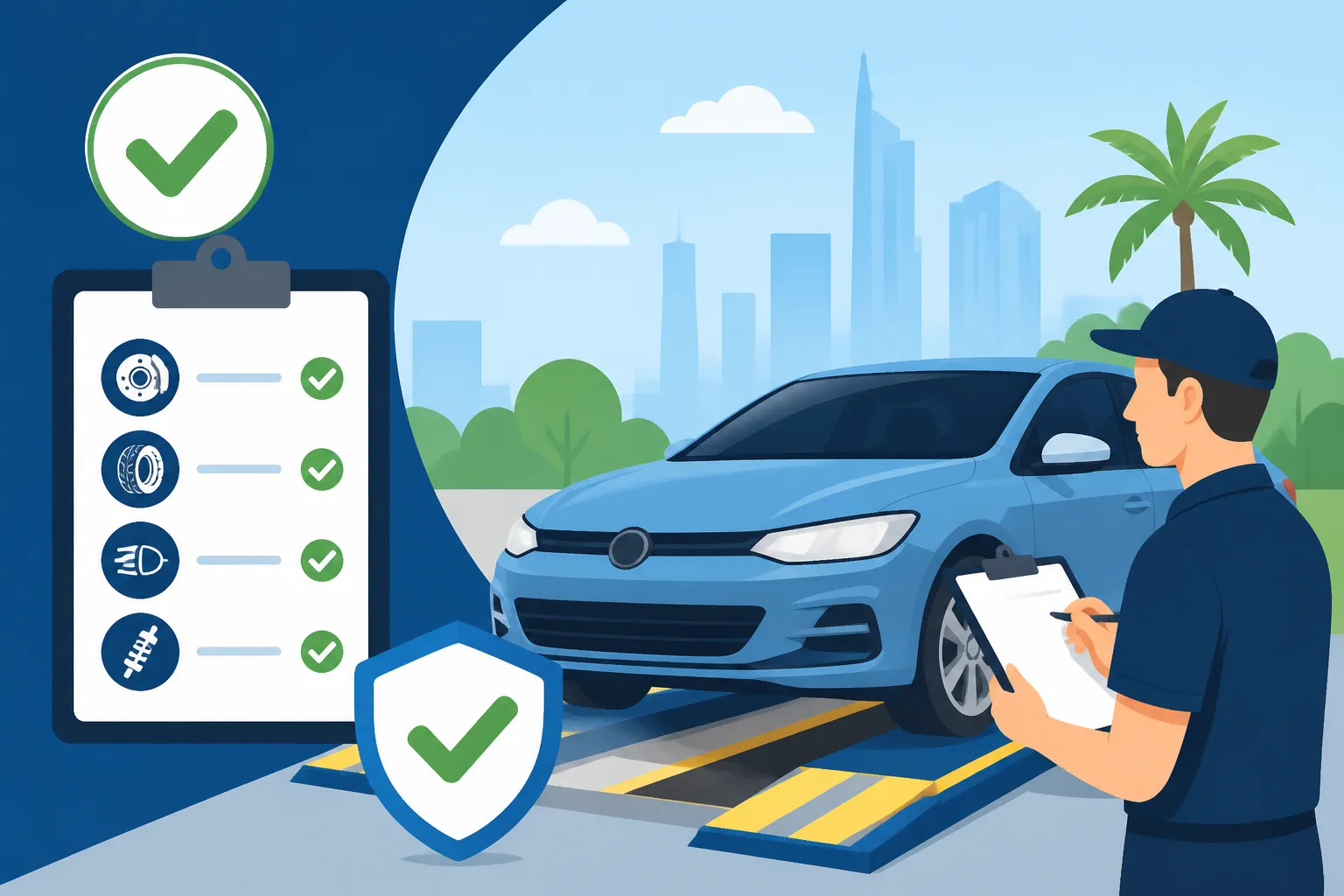
The test rishui isn't designed to trick you, but it is thorough. Many cars fail for surprisingly simple things that you could easily check (and fix) yourself before heading to the machon rishui. Here are some of the usual culprits:
- Lights, Lights, Lights: Seriously, this is probably the number one reason for failure. Headlights (both high and low beam), brake lights, turn signals, reverse lights, and even your license plate illumination need to be in perfect working order. Check for cracked covers, proper alignment, and burnt-out bulbs. It's a quick walk-around inspection you can do at home.
- Tires: Worn tires are a huge safety hazard. The inspectors will check tread depth – if it's too low, you'll fail. They'll also look for uneven wear, bulges, cracks, or damage to the sidewalls. Don't forget to check your tire pressure regularly and make sure it's correct.
- Brakes: This is obviously critical. The test includes a dynamometer test for your service brakes and a check of your handbrake. If they're not performing adequately, it's an immediate fail. Pay attention to any squealing, grinding, or a "soft" brake pedal feeling in your daily driving.
- Exhaust Emissions: Newer cars generally have fewer issues here, but older vehicles, especially diesels, can struggle to meet emission standards. Excessive smoke from the exhaust is a dead giveaway.
- Wipers and Washer Fluid: Believe it or not, faulty wipers or an empty washer fluid reservoir can be a reason for failure, especially if visibility is compromised.
- Horn: A working horn is required!
- Seatbelts: All seatbelts must be functional and undamaged.
- Fluid Leaks: Any significant oil, coolant, or other fluid leaks will lead to a failure.
- Under the Hood: Ensure your engine bay is reasonably clean, and no loose wires or components pose a safety risk.
Beyond these, they also check for general vehicle integrity, including the chassis, steering components, and suspension. If you've got any modifications, make sure they're legal and properly installed. Also, glance at your rishayon rechav for specific details like the mishkal (total weight) or any migbalot (limitations) unique to your vehicle, just to be aware.
Pre-Test Check-ups and Garages (Musagim)
For many expats, the idea of rolling into a machon rishui without a pre-check by a trusted mechanic (musach) is akin to jumping out of a plane without a parachute. While you can certainly do your own basic checks, a professional once-over can save you a world of pain.
A good garage will offer a "pre-test" service where they go through all the common failure points, make minor adjustments, and even sometimes take your car to the actual test for you. This is often worth the extra shekels, especially if your Hebrew isn't strong enough to negotiate with inspectors or understand the nuances of a failed report. Ask around in expat groups for recommendations for honest, English-speaking mechanics in your area. They are truly invaluable here. They can perform checks on your brakes, adjust your headlights, ensure your emissions are in check, and address any obvious leaks. They might even find something you missed, like a worn suspension component that would surely lead to a failure.
The Day of the Test: What to Expect at the Testing Station (Machon Rishui)
Okay, you've prepped, you're mentally ready, and your car is hopefully purring like a kitten. Now it's time for the actual machon rishui. This isn't usually a quick in-and-out visit, so plan accordingly.
Required Documents and Fees
Before you even think about driving to the testing station, make sure you have all your ducks in a row. You'll need:
- Original Rishayon Rechav: Your vehicle license document. No photocopies!
- Valid Bituach Chova: This is your mandatory third-party liability insurance. It must be valid for the entire period for which you are renewing your vehicle license. The machon rishui will often have a computer system to verify this, but it's always best to have a printed copy or digital proof readily available.
- Your Teudat Zehut (ID Card) or Passport: Proof of identity for the vehicle owner. If someone else is taking the car for you, they'll need their ID and possibly a letter of authorisation from you.
The fees for the test itself are usually paid directly at the machon rishui. You'll pay for the rishayon rechav renewal (which is the larger sum, covering your annual road tax) before you even enter the test lane. You can actually pay the rishayon rechav fee online via the Gov.il website or at a post office in advance. This saves a step and a queue at the testing station. In 2024, the basic fee for a private vehicle's rishayon rechav could range from around 1,500-2,500 ILS or more, depending on the car's engine size, age, and pollution level, plus a small fee for the test itself, usually around 100-150 ILS. Always check the official Ministry of Transport website or Gov.il for the most up-to-date figures.
The Testing Process Step-by-Step
When you arrive at a machon rishui, it can feel a bit chaotic, especially if it's busy. Here's a general idea of what to expect:
- Arrival and Initial Queue: You'll join a queue, often snaking into the machon rishui premises. Be prepared for a wait.
- Document Check and Payment: Once you reach the administrative area, you'll present your documents (rishayon rechav, Bituach Chova, ID) to a clerk. If you haven't paid your rishayon rechav fee online, you'll do it here. If everything is in order, you'll get a slip of paper and be directed to the physical inspection lanes.
- The Inspection Lanes: This is where the magic (or misery) happens. You'll drive your car into a designated lane.
- Emissions Test: First up, often the exhaust emissions. A probe is inserted into your tailpipe.
- Lights Check: You'll be asked to activate all your lights in sequence.
- Brake Test: Your car will be driven onto rollers that test the braking force and balance of your front and rear brakes, as well as the handbrake.
- Undercarriage Inspection: You'll drive over a pit, and an inspector will examine the underside of your vehicle, checking for rust, leaks, loose components, and general structural integrity.
- Visual and Interior Inspection: An inspector will check tires, wipers, horn, seatbelts, and generally peer around your car for anything amiss.
- Communication: This is where language can be a barrier. The inspectors might be barking instructions in rapid Hebrew. Don't be afraid to ask them to slow down or repeat themselves if you don't understand. A friendly smile and a few basic Hebrew words (like "yes," "no," "turn on," "turn off") can go a long way. If possible, bring a Hebrew-speaking friend for moral support and translation!
The whole process can take anywhere from 30 minutes to a couple of hours, depending on how busy the station is. Once finished, you'll either get a stamp of approval (Mazal Tov!) or a failure report.
What Happens If Your Vehicle Fails the Test
So, you went through the gauntlet, and your car didn't quite make the cut. Don't panic. This is a common occurrence, and there's a clear process for what happens next. It's frustrating, yes, but it's not the end of the world (or your car's road-legal life).
Understanding the "Failure" and Re-testing Process
If your vehicle fails the test rishui, the inspector will provide you with a detailed printout listing all the deficiencies. This report, known as a divuach kashal (failure report) or teudat kashal, is crucial. It specifies exactly what needs to be repaired or adjusted.
You typically have a grace period to get the repairs done and return for a re-test. This period is usually 30 days from the date of the initial failure. During this time, it's technically still illegal to drive your car if it's considered unroadworthy, though many will drive it directly to a musach for repairs. Be mindful of this.
The beauty of the re-test is that you usually only need to re-test the items that failed. For example, if your headlights were misaligned, you'll only need to show that the headlights have been fixed and are now properly adjusted. You don't generally have to go through the entire comprehensive inspection again, which saves time and a bit of money (the re-test fee is usually lower, around 20-30 ILS). Make sure you bring the original failure report with you for the re-test.
Navigating Repairs and Avoiding Scams
This is where many expats feel most vulnerable. You've got a list of repairs, possibly in Hebrew, and you need to find a garage. Here's how to navigate it:
- Get the Report Translated: If you can't read Hebrew, immediately get the failure report translated. Use a translation app or ask a Hebrew-speaking friend. Understanding exactly what needs fixing is your first line of defense against potential scams.
- Seek Multiple Quotes: Don't just go to the first musach you find. Get at least two, preferably three, quotes for the specified repairs. This helps you gauge fair pricing and ensures you're not being overcharged. Be specific that you only want quotes for the items on the test rishui failure report unless you explicitly ask for additional checks.
- Find a Trusted Mechanic: This cannot be stressed enough. Word-of-mouth recommendations from other expats are golden. Look for mechanics who are known to be honest and fair. While not directly related to vehicle mechanics, you might eventually need help with other moving processes, and services like Sirelo can help with finding reputable movers or understanding import procedures for personal goods, which sometimes includes vehicles.
- Ask for Explanations: Don't be shy about asking the mechanic to explain what they are fixing and why. Even if there's a language barrier, try to get a basic understanding. If something seems unclear or excessive, question it.
- Keep Receipts: Always keep receipts for the repairs. While not usually required for the re-test, it’s good practice.
Special Circumstances and Common Expat Questions
Moving to a new country and bringing your life with you – including your vehicle – is a huge undertaking. There are often unique questions and situations that arise for expats, especially concerning the annual vehicle test.
New Immigrants (Olim) and Imported Vehicles
If you've recently made Aliyah, or are planning to, understanding the rules around vehicles is key. New immigrants often have certain benefits and exemptions, but also specific procedures.
- Importing a Vehicle: If you're importing your car from abroad, the initial registration and inspection process is different and far more rigorous than the annual test rishui. You'll typically need to go through the Ministry of Transport for an initial "first registration" inspection (rishum rishoni) which involves extensive checks to ensure the vehicle complies with Israeli standards, even if it's passed similar tests in its country of origin. This can be a very bureaucratic process. The article How Do I Get My Imported Car's Annual Test Done in Israel? would be a useful read for anyone bringing a car over.
- Buying a Car Soon After Aliyah: If you purchase a car in Israel shortly after making Aliyah, it will simply follow the standard test rishui schedule based on its manufacturing year. Your status as an Oleh Chadash (new immigrant) generally doesn't alter the annual testing requirement for locally purchased vehicles, though it may impact certain tax benefits when purchasing or importing. For a broader view on initial steps in the country, you might want to look at The Complete Guide to Making Aliyah: Your First 90 Days in Israel (2027).
Selling a Vehicle or Buying a Used Car
The test rishui plays a significant role in the used car market in Israel.
- Selling Your Car: When you sell your car, it must have a valid rishayon rechav, which means it must have passed its most recent test rishui. No one will buy a car that can't be legally driven or transferred. Buyers will often insist on a fresh test certificate, or at least one with several months remaining, as an indication of the car's current condition. The actual transfer of ownership happens at a post office (or a specific Ministry of Transport branch) and requires a valid rishayon rechav and Teudat Zehut from both buyer and seller. Read more about the process in How to Register a Vehicle and Transfer Ownership in Israel.
- Buying a Used Car: If you're looking to buy a used car, always ask to see the current rishayon rechav and confirm that the test rishui is valid. A recent test is a good sign, but it's by no means a guarantee of mechanical perfection. It's highly recommended to take any used car you're serious about purchasing to an independent garage for a pre-purchase inspection (bedikat k'niya). This independent check can uncover issues not covered by the test rishui (like engine health or gearbox problems) and save you from buying a lemon. This is particularly important for expats, who may not be familiar with local market quirks. For a more detailed guide, check out How to Buy a Used Car in Israel as a Foreigner.
Tips for a Smooth Test Rishui Experience
Navigating Israeli bureaucracy, especially when it involves your car, can be daunting. But with some foresight and a few helpful strategies, you can minimize the stress of the test rishui.
Proactive Maintenance and Organisation
The best offense is a good defense, right? This applies perfectly to your car's annual test.
- Regular Servicing: Don't skip your routine car maintenance. Regular oil changes, brake checks, and tire rotations not only keep your car safer and more reliable but also significantly increase your chances of passing the test rishui without a hitch. Consider a full service a month or two before your test is due.
- Keep Documents Handy: Create a dedicated folder or digital file for all your vehicle-related documents. This includes your current rishayon rechav, Bituach Chova policy, previous test reports, and any repair receipts. When the time comes for the test, you won't be scrambling to find everything.
- Don't Procrastinate: As soon as you see that date looming on your rishayon rechav, start planning. Schedule your pre-test check-up at a garage, and then aim to take your car for the actual test a few weeks before the absolute deadline. This buffer time is invaluable if your car fails, giving you ample time for repairs and a re-test without driving illegally or incurring fines. For a full picture of driving in Israel, including licensing, check out Driving in Israel: Licences, Registration and Rules for Expats (2027). Also, ensuring you have your proper identification like your How to Get a Teudat Zehut (Identity Card) in Israel is vital for any official interaction.
Language Barriers and Cultural Nuances
Being a non-Hebrew speaker in Israel inevitably adds another layer of complexity to administrative tasks. The machon rishui is no exception.
- Bring a Hebrew Speaker: This is perhaps the most practical advice. If you have a trusted Israeli friend, colleague, or even a helpful neighbor who can accompany you, it can make a world of difference. They can translate instructions, ask clarifying questions, and generally smooth over any communication hurdles.
- Translation Apps and Basic Phrases: If bringing a person isn't an option, arm yourself with a good translation app on your phone. Make sure you have enough data – perhaps a local eSIM from a provider like Airalo could be useful for ensuring you stay connected and can access translation tools on the go. Practice a few key phrases like "What needs to be fixed?" (Ma tzarich letaken?), "Can you repeat that?" (Ata יכול לחזור על זה?), or "I don't understand" (Ani lo mevin/a). The direct communication style in Israel can sometimes come across as abrupt, but it's rarely meant personally.
- Observe and Learn: Pay attention to how others interact with the inspectors. You'll quickly pick up on the flow and common requests.
- Understand the "System": While it might feel frustrating, remember that the system is there for a reason – road safety. Approaching it with patience and a willingness to understand the local way of doing things can make the experience far less stressful. Even understanding general financial obligations like The Complete Guide to Taxes in Israel for Olim and Expats (2027) helps in navigating vehicle-related taxes as well.
| Common Test Rishui Failure Points | Easy Checks You Can Do |
|---|---|
| Lights (all types) | Turn on all lights (headlights, high beams, indicators, brake lights, reverse lights, license plate lights). Have someone confirm they're all working, or use a reflection. Check for cracks. |
| Tires (wear & condition) | Visually check tread depth (use a coin test), look for bulges, cracks, or embedded objects. Ensure proper inflation. |
| Brakes (service & handbrake) | Listen for squealing/grinding during driving. Test handbrake effectiveness on a slight incline. |
| Windscreen Wipers/Washer Fluid | Ensure wipers clear the screen effectively. Top up washer fluid. |
| Fluid Leaks | Check for puddles under your car after parking. Look under the hood for obvious leaks. |
| Horn | Give it a quick honk! |
| Seatbelts | Check all seatbelts for fraying and ensure buckles click securely. |
| Excessive Exhaust Smoke | Observe your exhaust when starting the car or accelerating. Any heavy, colored smoke is a red flag. |
Disclaimer
The information provided in this guide is intended for general informational purposes only and does not constitute legal, financial, or professional advice. While we strive to provide accurate and up-to-date information, rules and regulations in Israel can change frequently. Always consult with official government sources, legal professionals, or relevant experts for advice specific to your individual circumstances.