Understanding the Health Basket (Sal Briut) and What It Covers
Moving to a new country like Israel is an adventure, but let's be honest, the healthcare system can feel like navigating a maze blindfolded, especially when terms like "Health Basket" or Sal Briut get thrown around. It’s confusing, it’s frustrating, and often, it leaves you wondering if you're actually covered for anything beyond a basic sniffle. This guide is here to untangle the Sal Briut for you, breaking down what it actually covers, what it doesn't, and how you, as an expat or new Oleh, can make sense of it all without losing your mind.
What Exactly is the "Health Basket" (Sal Briut)?
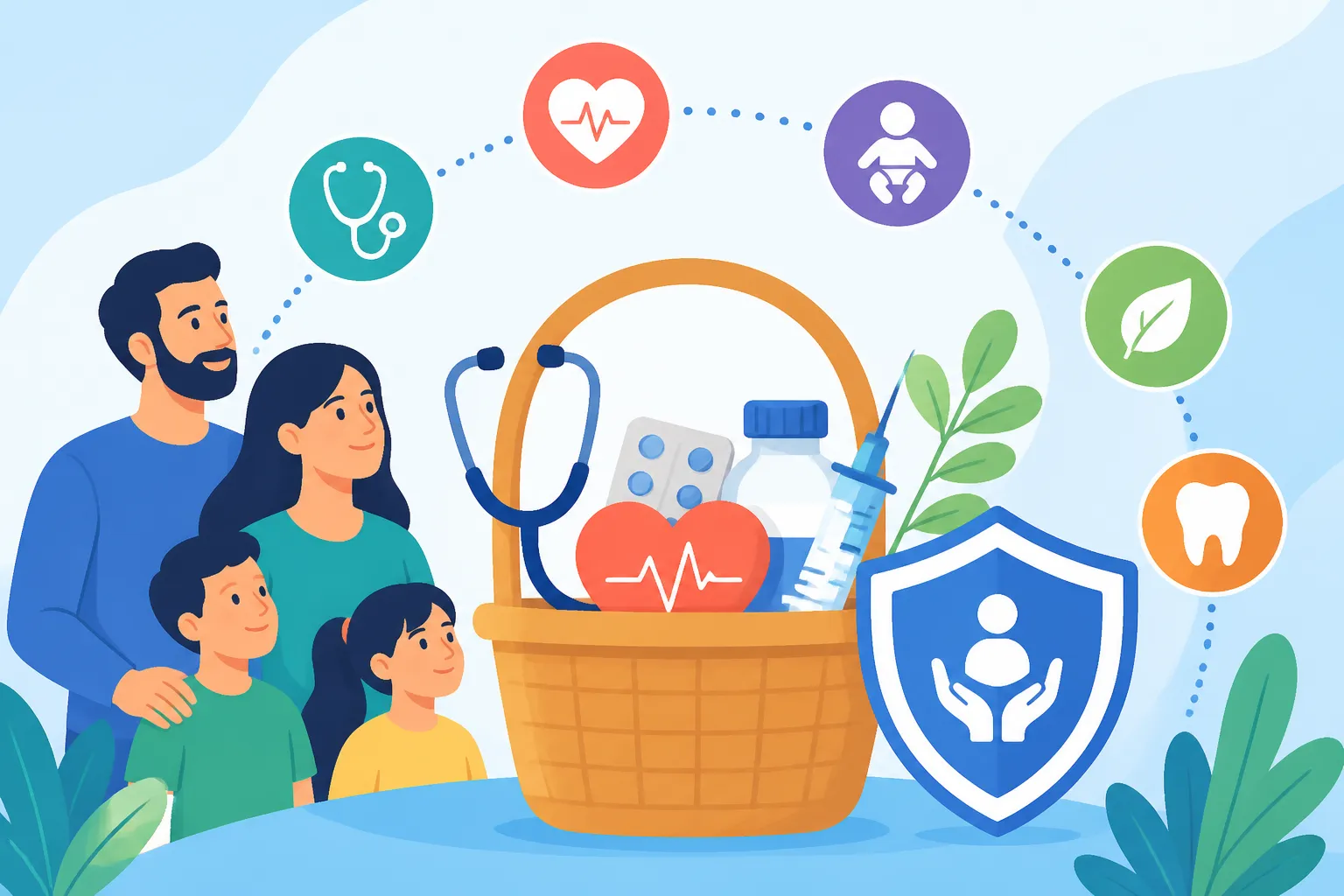
The "Health Basket" (סל הבריאות), or Sal Briut, is essentially the comprehensive package of medical services that every Israeli resident is legally entitled to receive through one of the country's four public health funds (Kupot Holim). Think of it as the foundation of Israel's universal healthcare system. It’s not just a list; it’s a commitment from the state to provide essential medical care to its citizens and permanent residents, ensuring that no one is left without fundamental health services regardless of their socio-economic status.
This concept can be a bit hard to grasp if you come from a country with entirely private or a vastly different public system. Many expats arrive here thinking they need to buy private insurance immediately, only to discover they're already part of a robust public framework. The Sal Briut is dynamic; it's regularly updated and expanded by a public committee of experts to include new technologies, medications, and treatments, reflecting advancements in medicine and public health needs. This means what was covered last year might be different this year, adding another layer of complexity for us foreigners trying to keep up!
The Philosophy Behind Israel's Universal Healthcare
At its heart, Israel’s healthcare system is founded on principles of equity and universal access, enshrined in the National Health Insurance Law (Bituach Briut Mamlachti) enacted in 1995. Before this law, healthcare was more fragmented, tied often to employment or voluntary schemes. The law changed everything, making membership in a Kupat Holim mandatory for all citizens and permanent residents and guaranteeing access to the Sal Briut. It’s a bold statement: healthcare isn't a privilege, it's a right.
This commitment means that the government subsidizes a significant portion of healthcare costs, allowing the Kupot Holim to provide services at relatively low monthly fees compared to many Western countries. It’s about social solidarity, where the healthy contribute to the care of the sick, and everyone has a baseline of care they can rely on. While there are inevitably debates about funding and the scope of the Sal Briut, the core idea remains: a safety net for everyone. Understanding this underlying philosophy helps to contextualize why the system works the way it does, even when it feels incredibly bureaucratic.
Who is Entitled to the Sal Briut?
Generally speaking, any Israeli citizen or permanent resident is entitled to the Sal Briut. This includes new immigrants, or Olim Chadashim, from the moment they make Aliyah and officially register with the Population and Immigration Authority. However, there can be a waiting period for new Olim to fully activate their health coverage, usually up to six months. During this period, you might need to rely on temporary arrangements, which is where understanding your options for private travel insurance, like SafetyWing, becomes crucial, just in case of an unexpected emergency.
For expats on work visas or other temporary residency statuses, the situation can be more nuanced. While Israeli citizens and permanent residents are automatically enrolled in the national health insurance system, individuals on certain types of work visas might not be eligible for the Sal Briut through the public system and may be required to have private health insurance instead. It’s vital to clarify your eligibility based on your specific visa status as soon as you arrive, or even better, before you move. If you're wondering, "Can I Use Public Healthcare in Israel on a Work Visa?" the answer isn't always a straightforward "yes." You’ll want to check out our detailed guide on How to Access Healthcare on a Work Visa in Israel to get the full picture.
Diving Deep into the Coverage: What's Inside the Sal Briut?
Alright, let's get down to the nitty-gritty: what medical services does this famous Sal Briut actually cover? The short answer is: a lot of what you'd consider essential medical care. The long answer is, well, longer, and includes a whole range of preventative care, diagnoses, treatments, and rehabilitative services. The aim is to cover all common health needs, from routine check-ups to complex surgeries, from mental health support to critical emergency care.
The Sal Briut is a dynamic list, periodically updated to include new medications, technologies, and treatments. A public committee of experts convenes annually to review and expand the basket, deciding which new additions will be funded by the state. This process is often highly debated, as new treatments are expensive, and resources are finite. It's a constant balancing act between medical progress and national budget constraints.
Primary Care and Essential Services
This is the cornerstone of the Sal Briut. Your initial entry into the healthcare system will almost always be through your primary care physician, known as a rofeh mishpacha (family doctor) for adults or a rofeh yeladim (pediatrician) for children. The basket fully covers visits to these general practitioners within your Kupat Holim network. These doctors are your gatekeepers to the wider system, providing diagnoses, initial treatments, and crucially, referrals to specialists. Finding a doctor you trust and can communicate with is incredibly important here, and you might find our guide on How to Choose a Family Doctor (Rofeh Mishpacha) in Israel particularly helpful.
Beyond direct doctor visits, the Sal Briut includes a wide array of essential services such as routine blood tests, urine tests, and other laboratory diagnostics when prescribed by your doctor. Preventative care is also a big part of it, including childhood vaccinations, mammograms for women over a certain age, and various screenings for common conditions. Think of it as comprehensive routine care designed to keep you healthy and catch potential issues early. This also extends to basic health education and guidance, aiming for a proactive approach to public well-being.
Specialist Consultations and Hospitalization
When your family doctor determines you need more specialized care, they will issue you a referral (hafnaya) to a specialist. The Sal Briut covers consultations with a vast range of specialists, including cardiologists, dermatologists, endocrinologists, and more. This is where the system can sometimes test your patience, as waiting times for popular specialists can vary depending on your Kupah and location. Navigating the referral process is key, so understanding How to Get a Referral (Hafnaya) to a Specialist in Israel will be a game-changer for you.
Should you require hospitalization, the Sal Briut provides comprehensive coverage for inpatient care in public hospitals. This includes everything from the hospital stay itself, to surgeries, medical procedures, necessary diagnostic imaging (like X-rays, CT scans, MRIs when approved), and nursing care. Emergency medical care, like that provided by Magen David Adom (MDA) and in hospital emergency rooms, is also largely covered, although there can be co-payments if your visit isn't deemed a true emergency or if you don't require hospitalization. Don't worry, we've got a whole guide on Emergency Medical Care in Israel: What Every Newcomer Needs to Know to prepare you for those urgent situations.
Medications, Medical Devices, and Rehabilitative Care
The cost of prescription medications can be a huge worry for many, but the Sal Briut offers significant coverage. A very extensive list of medications is included in the basket, covering treatments for common illnesses, chronic conditions, and more specialized needs. Patients typically pay a subsidized co-payment for these drugs, making them much more affordable than their full retail price. The specific level of subsidy can vary, but it ensures essential medicines are accessible. For a deep dive into how all this works, you'll want to read our comprehensive guide on Prescription Medications and Pharmacies in Israel: The Complete Guide.
Beyond medications, the Sal Briut also covers a range of medical devices, such as certain types of hearing aids, diabetic supplies, and ostomy equipment, often with some level of co-payment or a fixed contribution from the patient. Rehabilitative care is another crucial component, encompassing physiotherapy, occupational therapy, and speech therapy, all vital for recovery after injury, illness, or surgery. The coverage for these therapies is generally quite good, but there might be limits on the number of sessions or requirements for a doctor’s referral. Mental health services have also seen significant improvements in coverage within the Sal Briut in recent years, now including access to psychologists, psychiatrists, and various therapies, though wait times can still be an issue. If you're seeking support, our article on How to Access Mental Health Services in Israel as an Expat is a must-read.
Understanding the "Buts" and "Ifs": Limitations and Co-payments
Now, for the part that often catches people off guard: the limitations. While the Sal Briut is incredibly comprehensive, it's not a magic wand that makes all medical expenses disappear. Like any public system, it has its boundaries, and there are specific situations where you'll encounter co-payments or find services not fully covered. This isn't unique to Israel; it's a way to manage costs and ensure sustainability, but it can still be frustrating if you're not expecting it.
The key is to understand that "covered" doesn't always mean "free." It often means "subsidized," and you'll be expected to contribute a small portion, known as a co-payment or hishtatfut atzmit. This is where the Israeli system can feel a bit different from, say, the UK's NHS, which is largely free at the point of use. Here, you pay a little something for most interactions.
Co-payments (Hishtatfut Atzmit) and Deductibles
Co-payments are fixed fees you pay for certain medical services, even if they are covered by the Sal Briut. These are typically small amounts, designed to deter overuse of services and contribute to the overall funding of the healthcare system. For example, you might pay a small fee for a visit to a specialist, a percentage of the cost of prescription medications, or a fee for certain diagnostic tests. These fees can vary slightly between the Kupot Holim, but they are generally standardized by the Ministry of Health.
It’s important to budget for these co-payments, as they can add up over time, especially if you have chronic conditions or need frequent medical attention. There are often caps on how much you pay in co-payments within a certain period (e.g., a quarter or a year) for certain services like medications, which is a helpful safety net. For a much more detailed explanation of how these costs work, be sure to check out our guide to Understanding Co-Payments (Hishtatfut Atzmit) in the Israeli Health System.
Services Not Fully Covered by the Basic Basket
While the Sal Briut is extensive, there are certain services that it either doesn't cover at all, or only covers partially. These are often areas where people consider supplementary or private insurance.
Here are some common examples:
- Dental Care: Basic dental care for adults (like routine check-ups and fillings) is generally not covered by the basic Sal Briut, though children often receive some basic dental care coverage. This is a common point of frustration for expats, as dental costs can be significant. Our article on Understanding Dental Care Coverage in Israel offers more insights.
- Optometry and Eyeglasses: Routine eye exams and the cost of eyeglasses or contact lenses are typically not included, unless there’s a specific medical condition that warrants coverage (e.g., severe vision impairment requiring specialized lenses).
- Certain Aesthetic Procedures: Cosmetic surgeries or treatments that are not medically necessary are usually excluded.
- Specific Alternative Medicine Treatments: While some Kupot Holim offer discounts on alternative medicine through their supplementary plans, the basic Sal Briut generally does not cover these.
- Some Advanced Medical Technologies/Medications: While the Sal Briut is updated regularly, there might be very new or experimental treatments or medications that haven't yet been added to the basket.
- Private Doctor Visits (Sharap): If you opt to see a specialist privately outside the Kupah system (often called Sharap in hospitals), this is typically not covered by your Sal Briut. While it can get you quicker appointments, it comes with a hefty price tag.
Knowing these gaps upfront can help you decide if you need to invest in additional insurance, which we'll discuss shortly.
The Role of Kupot Holim in Delivering the Sal Briut
Understanding the Sal Briut is one thing, but knowing how you access it is another. That's where the Kupot Holim come in. These four health funds – Clalit, Maccabi, Meuhedet, and Leumit – are the actual providers of the services defined by the Sal Briut. You don't get care directly from the "government"; you get it from your chosen Kupat Holim. It's a crucial distinction that often confuses newcomers.
Think of the Kupot Holim as HMOs, but mandated by the state to provide the exact same basic basket of services. While the basket is standardized, the way each Kupah delivers those services, their network of clinics, doctors, and hospitals, and their level of customer service, can differ significantly. This is why choosing the right Kupat Holim is such a personal and important decision for every expat. Our deep dive into How Israel's Health Funds (Kupot Holim) Work: A Full Overview will give you a solid foundation.
How Your Kupah Administers the Basket
Each Kupat Holim operates its own network of clinics, medical centers, and contracts with independent doctors and hospitals across the country. When you join a Kupah, you become a member of their system. Your primary care doctor will be associated with your Kupah, and any referrals to specialists or hospitals will typically be within their network. This means that while the Sal Briut defines what you get, your Kupah determines where and how you get it.
Your Kupah is responsible for everything from booking appointments to managing your medical records, processing prescriptions, and handling reimbursements. They also provide various online services, such as appointment scheduling through their apps or websites, which can be incredibly helpful for managing your healthcare in a country where language can be a barrier. If you're with Clalit or Maccabi, you'll definitely want to check out our guide on How to Book Appointments Through Clalit and Maccabi Apps.
Differences in Service Delivery Among Kupot Holim (even with the same basket)
Even though all four Kupot Holim must offer the same basic Sal Briut, their approach to delivering those services, and thus your experience, can vary quite a bit. These differences often come down to:
- Geographic Coverage: Some Kupot Holim have stronger presences in certain cities or regions. If you live in a smaller town, you might find one Kupah has a more convenient network of clinics and specialists than another.
- Specialist Availability and Wait Times: While all Kupot Holim offer access to specialists, the number of specialists available, and consequently, the waiting times for appointments, can differ. Some Kupot Holim might have more in-house specialists, while others rely more on external contractors.
- English-Speaking Staff and Services: For expats, this is huge. While not guaranteed, some Kupot Holim have more English-speaking doctors, nurses, and administrative staff, or better English-language support on their apps and websites. This can make a world of difference when you're trying to explain symptoms or understand complex medical instructions.
- Technological Advancement: Some Kupot Holim are more technologically advanced, offering more robust online portals, telemedicine options, and user-friendly apps, which can simplify access to care.
- Size and Resources: Clalit and Maccabi are the two largest Kupot Holim, generally having wider networks and more resources. Meuhedet and Leumit are smaller, but often praised for more personalized service in certain areas.
Choosing your Kupah is one of the first and most important healthcare decisions you'll make in Israel. Our guide, Choosing a Kupat Holim in Israel: Clalit, Maccabi, Meuhedet or Leumit (2027), delves into these differences to help you make an informed choice.
Beyond the Basic: Supplementary and Private Insurance
Given the limitations of the Sal Briut we discussed earlier, many Israelis and expats choose to expand their coverage. This usually comes in two main forms: supplementary health insurance (Bituach Mashlim) offered by the Kupot Holim themselves, and entirely private health insurance from external companies. It's a layer of extra security that can provide peace of mind, especially when faced with services not fully covered by the basic basket.
It’s completely understandable to feel overwhelmed by this additional layer of decision-making. You just figured out the Sal Briut, and now there’s more insurance? But trust me, for many, these extra plans are well worth it, bridging the gaps in the public system and offering access to more choices and faster services.
Why Many Expats Opt for Supplementary (Bituach Mashlim)
Bituach Mashlim are additional plans offered directly by your Kupat Holim. They are essentially upgrades to your basic Sal Briut coverage, designed to fill some of the common gaps. The benefits and costs of these supplementary plans can vary between the different Kupot Holim and also depend on the specific tier of Bituach Mashlim you choose (e.g., gold, silver, platinum plans).
Common benefits of Bituach Mashlim often include:
- Increased Subsidies for Specialists: Lower co-payments or higher subsidies for specialist visits, sometimes even allowing access to a wider pool of specialists outside the Kupah's standard network.
- Expanded Dental Coverage: Significant discounts or partial coverage for a range of dental treatments, including orthodontics and more complex procedures, which are barely covered by the basic Sal Briut.
- Optometry Benefits: Subsidies for eye exams and discounts on eyeglasses or contact lenses.
- Discounts on Alternative Medicine: Partial reimbursement for visits to alternative medicine practitioners like acupuncturists or chiropractors, when provided through the Kupah's own clinics or approved providers.
- Subsidized Medical Devices: Better coverage for certain medical devices or assistive technologies.
- Overseas Emergency Coverage: Some plans offer limited coverage for emergency medical care while traveling abroad, a useful perk for globetrotting expats.
Many expats find Bituach Mashlim a good balance, providing enhanced coverage without the full cost of independent private insurance. It's usually straightforward to add it to your Kupah membership, and you can explore the options with your chosen health fund. You can learn more in our article Understanding Supplementary Insurance (Bituach Mashlim) from Your Kupah.
When Private Health Insurance Becomes Essential
Beyond Bituach Mashlim, full private health insurance from an external insurance company offers the most extensive coverage and greatest flexibility. This is often chosen by those who want to avoid wait times entirely, access a wider choice of doctors and hospitals (including private ones), or seek coverage for procedures not covered by either the Sal Briut or Bituach Mashlim.
Situations where private health insurance might be essential include:
- Long-Term Care: While the Sal Briut covers some aspects of geriatric care, extensive long-term care can be incredibly expensive, and private plans often offer more robust coverage for this.
- Full Private Hospitalization: For those who want the option of private hospital rooms or specific private doctors during hospitalization, even for procedures covered by the Sal Briut.
- Specific Exclusions from Public System: If you have a particular medical need that is not well-covered by the public system, private insurance can step in.
- Before Activating Sal Briut: As mentioned, if you're a new Oleh still in your waiting period for Sal Briut activation, or an expat whose visa doesn't grant you immediate access to the Sal Briut, private insurance is crucial. Companies like SafetyWing offer flexible travel and medical insurance plans that can cover you during these transitional periods, ensuring you're not left vulnerable.
- Desire for Faster Access and Choice: Private insurance generally allows you to bypass the public system's wait lists and choose any specialist or hospital you prefer, regardless of Kupah affiliation, for covered services.
Choosing between Bituach Mashlim and private insurance, or even having both, depends on your personal health needs, financial situation, and how much control and flexibility you desire. For a deeper dive into these options, take a look at our comprehensive guide on Supplementary and Private Health Insurance in Israel: Options Explained.
Navigating the System and Accessing Your Benefits
So, you've grasped the Sal Briut, understood the Kupot Holim, and maybe even decided on supplementary insurance. Now, how do you actually use it all? Getting set up in the Israeli healthcare system can feel like jumping through hoops, but once you're in, it's designed to be relatively accessible. The key is understanding the initial steps and knowing how to efficiently access the services you're entitled to.
Many expats find the initial registration process confusing, especially with language barriers and different governmental offices involved. But with a bit of patience and the right information, you can get it done. Remember, millions of people navigate this system every day, and so can you!
Registration and Activation of Your Health Rights
The first and most critical step is registering with a Kupat Holim. For new immigrants (Olim), this usually happens shortly after you arrive and complete your initial processing at Ben Gurion Airport or the Ministry of Interior (Misrad HaPnim). You will choose one of the four Kupot Holim and begin the registration process. It's vital to do this as soon as possible, as your eligibility for the Sal Briut is tied to this registration. You'll want to review our guide on How to Register with a Kupat Holim as a New Immigrant in Israel for step-by-step instructions.
For other expats, the process will depend on your visa status. Some work visas might require your employer to arrange private health insurance, while others might grant you eligibility for the Sal Briut after a certain period or upon meeting specific criteria. Always clarify your specific situation with the Population and Immigration Authority or your employer. Once registered, you'll receive a Kupat Holim membership card, which is your passport to healthcare services. Don't leave home without it!
Tips for Maximizing Your Sal Briut Coverage
Once you're registered and your coverage is active, here are some pro tips for getting the most out of your Sal Briut:
- Choose Your Kupah Wisely: Don't just pick the first one you hear about. Research all four based on their clinics near you, doctor availability, English-speaking staff, and supplementary plan offerings. Our article Which Kupat Holim Is Best for English Speakers in Israel? can help with this.
- Get a Good Family Doctor: This is your primary point of contact and your advocate in the system. A good, English-speaking family doctor can make all the difference in navigating referrals, understanding treatments, and getting the care you need. Build a good relationship with them.
- Understand Your Supplementary Plan: If you opt for Bituach Mashlim, make sure you fully understand what it covers, what the co-payments are, and how to utilize its benefits, particularly for dental or optical care. Don't be shy about asking your Kupah for clarifications.
- Use Online Services: All Kupot Holim have robust online portals and mobile apps. These are incredibly useful for booking appointments, ordering repeat prescriptions, viewing test results, and even consulting with doctors via telemedicine. Embrace the technology!
- Be Proactive: Don't wait until you're very sick to seek care. Take advantage of preventative screenings and routine check-ups covered by the Sal Briut. If you have a concern, schedule an appointment.
- Keep Records: Always keep copies of your referrals (hafna'ot), test results, and medical certificates (ishur machala). It's helpful for tracking your care and for any potential reimbursements.
- Don't Be Afraid to Ask: If you don't understand something, ask. Ask your doctor, ask the clinic secretary, ask customer service. It might take persistence, especially with language barriers, but it’s crucial for your health.
- Consider SafetyWing for Travel: If you frequently travel outside of Israel, remember that your Sal Briut generally won't cover you internationally. Consider travel insurance like SafetyWing to ensure you're protected for any medical emergencies while abroad.
By taking these steps, you’ll not only ensure you’re covered but also empower yourself to effectively manage your health in your new home.
Table of Common Services and Sal Briut Coverage
To help summarize, here's a quick overview of how common services are generally covered by the basic Sal Briut. Remember, Bituach Mashlim can often provide better coverage or lower costs for services in the "Partial/Co-Pay" column.
| Service Category | Basic Sal Briut Coverage | Notes |
|---|---|---|
| Primary Care (Family Doctor/Pediatrician) | Full coverage (small co-pay per visit) | First point of contact, referrals needed for specialists. |
| Specialist Consultations | Full coverage (small co-pay per visit) | Requires referral from primary care; wait times vary. |
| Hospitalization (Inpatient) | Full coverage | For medically necessary stays, surgeries, diagnostic tests. |
| Emergency Room Visits | Full if hospitalized (co-pay if not) | Co-pay is waived if visit leads to hospitalization. |
| Prescription Medications | Subsidized (patient co-pay) | Extensive list covered; co-pay amount depends on medication. |
| Laboratory Tests (Blood, Urine) | Full coverage (requires doctor's referral) | Routine diagnostics ordered by your doctor. |
| Diagnostic Imaging (X-ray, CT, MRI) | Full coverage (requires doctor's referral) | Subject to medical necessity and authorization. |
| Physiotherapy, Occupational, Speech Therapy | Partial coverage (limited sessions/co-pay) | Requires referral; limits on number of sessions may apply. |
| Child Vaccinations | Full coverage | Standard childhood immunization schedule. |
| Dental Care (Adults) | Generally NOT covered | Limited exceptions for specific medical conditions; children may have basic coverage. |
| Optometry/Eyeglasses (Adults) | Generally NOT covered | Exceptions for severe medical conditions requiring specialized care. |
| Mental Health Services | Full coverage (with co-pay) | Includes psychologists, psychiatrists, group therapy. |
| Maternity & Prenatal Care | Full coverage | Comprehensive care including check-ups, tests, delivery. |
| Alternative Medicine | NOT covered by basic (discounts with Mashlim) | Some Kupot Holim supplementary plans offer discounts. |
Disclaimer
This article is for general informational purposes only and does not constitute professional advice. Laws, prices and regulations vary by location and change over time. Consult a qualified professional for guidance on your specific situation.