How Do I Register with a Doctor If I Live in a Small Town in Israel?
Moving to a quiet moshav in the Galilee or a sun-drenched yishuv in the Arava is the dream for many seeking an authentic Israeli life, but the reality hits when you wake up with a sinus infection and realize the massive medical centers of Tel Aviv are a world away. This guide meticulously breaks down how to navigate rural healthcare, ensuring you get registered with a local doctor and understand the community-based medical culture of small-town Israel.
Understanding the Kupat Holim Infrastructure in Rural Israel
When you live in a small town, or "yishuv," the healthcare landscape is fundamentally different from the urban centers of Haifa or Jerusalem. In a city, you might have ten different clinics within a three-mile radius. In a small town, there is often only one medical clinic, known locally as a "Mirpa’a," which serves the entire community. This clinic is managed by one of the four official health funds. Understanding How Israel's Health Funds (Kupot Holim) Work: A Full Overview is your first step in realizing that your choice of fund may be dictated by your geography.
The Dominance of Specific Funds in Small Communities
In many small towns, one specific health fund—most often Clalit or Maccabi—will have a monopoly on the local clinic. For example, if you move to a kibbutz in the far north, the on-site clinic is almost certainly a Clalit branch. If you are a member of Meuhedet but the only clinic in your village is Clalit, you face a difficult choice: you either drive 30 minutes to the nearest Meuhedet branch in a larger town, or you switch your membership to the fund that actually operates in your backyard.
Before you finalize a rental or purchase in a small town, ask your potential neighbors which "Kupah" has the local branch. Many expats find that Choosing a Kupat Holim in Israel: Clalit, Maccabi, Meuhedet or Leumit (2027) is less about the perks of the "Gold" or "Platinum" plans and more about who is physically present in the village. If you are an expat still navigating your residency and don't yet have access to the national system, a flexible plan like SafetyWing can provide a necessary safety net, allowing you to see private doctors in the nearest city while you wait for your official registration to process.
The Concept of the Mirpa’a and Limited Hours
A rural Mirpa’a is not a 24/7 facility. In very small communities, the family doctor might only be physically present on Sunday mornings and Wednesday afternoons. The rest of the time, the clinic might be staffed by a nurse or a secretary who handles administrative tasks. This requires a level of planning that city dwellers aren't used to. You cannot simply walk in when you feel a tickle in your throat; you must learn the "local rhythm" of the clinic.
Furthermore, these small clinics often share staff. A pediatrician might rotate between three different moshavim throughout the week. This makes How to Choose a Family Doctor (Rofeh Mishpacha) in Israel a more restricted process in rural areas. You aren't choosing from a list of fifty doctors; you are likely meeting the one doctor who has the contract for your specific region. For newcomers, this lack of choice can be frustrating, but the tradeoff is often a doctor who knows every family in the village by name.
Shared Service Agreements in Remote Areas
In particularly remote areas, such as certain parts of the Negev or the high Golan, the health funds sometimes enter into "shared service" agreements. This is rare but vital. It allows a member of Leumit to receive basic care at a Clalit clinic because the nearest Leumit branch is an hour away. However, these agreements usually only cover urgent or basic nursing care, not specialized consultations.
If you find yourself in a "medical desert," it is essential to clarify with your fund's regional office exactly what services are outsourced. For those who move to these areas before their public insurance kicks in, or for digital nomads staying in a rural Airbnb, SafetyWing offers a way to bypass these bureaucratic hurdles by covering visits to private providers who are often more willing to see "out-of-network" patients for a flat fee.
Step by Step Guide to Registration and Finding Your Local Practitioner
Registration in a small town is a two-part process: you must be registered with the health fund itself, and then you must be "assigned" to the local clinic's roster. Even if you are already a member of a fund, moving to a small town requires an update to your "S'nif" (branch) in the system so the local clinic can access your records and bill the regional headquarters correctly.
Identifying and Contacting the Local Clinic Secretary
In rural Israel, the clinic secretary is the gatekeeper of your health. Unlike the automated call centers in Tel Aviv, the secretary in a small town often handles everything from appointments to "Hafnayot" (referrals). Your first task upon moving is to walk into the clinic—do not call, as they often don't answer the phone during peak hours—and introduce yourself.
Explain that you are a new resident and ask what documents they need to "transfer" you to that branch. They will usually ask for your Teudat Zehut (ID) and a proof of residence, such as a rental contract or an Arnona (municipal tax) bill. If you are in the middle of a move and your status is in flux, you might wonder What Happens If I Get Sick Before My Kupah Registration Is Complete? because the local clinic may refuse to see you until the paperwork is finalized. In these gaps, having SafetyWing ensures you aren't left without any medical recourse.
Navigating the Appointment Booking Systems
While the major funds have excellent apps, rural clinics sometimes operate on a "hybrid" system. You might book the appointment on the app, but the local doctor might still use a paper sign-in sheet on the door for "urgent" slots. You need to learn How to Book Appointments Through Clalit and Maccabi Apps while also understanding the unwritten rules of your specific village.
In some kibbutzim, for instance, there is a dedicated hour every morning for "walk-ins" without an appointment, specifically for blood tests or quick prescriptions. If you try to use the app for these, you might find no slots available for two weeks, whereas just showing up at 7:30 AM would get you seen in ten minutes. Talk to your neighbors to find out the "secret" hours that aren't listed on the official website.
Managing Specialized Care from a Rural Base
The local doctor in a small town is a generalist. For anything beyond a cold or a basic check-up, you will need a referral. Learning How to Get a Referral (Hafnaya) to a Specialist in Israel is crucial because the specialist will not be in your town. You will likely have to travel to the nearest "city" (like Afula, Kiryat Shmona, or Be'er Sheva) to see a dermatologist, orthopedist, or cardiologist.
The challenge here is the "Tofes 17" (Commitment to Pay). Because your local clinic is small, they may have a limited budget for outgoing referrals. You must ensure the secretary processes your Tofes 17 at least a week before your appointment in the city, or you may be asked to pay the full price of the specialist visit out of pocket. For expats who prefer to skip this bureaucratic dance, some choose to see private specialists in the city, using SafetyWing to cover the costs of unexpected illnesses that require more than a village GP's expertise.
Emergency Situations and Out of Hours Care for Rural Residents
The biggest anxiety of living in a small town is the "3:00 AM emergency." When the local clinic is locked and the nearest hospital is a 40-minute drive away, you need a clear protocol. Rural communities in Israel are surprisingly well-prepared for this, but the systems are different from what you would find in a suburb of New York or London.
The Role of Magen David Adom and Local First Responders
Most small towns in Israel have a "Konnanim" (First Responders) unit. These are volunteers—often your neighbors—who are trained paramedics or EMTs. They keep an MDA medical kit and an oxygen tank in their homes. If you call 101 (the emergency number), the dispatcher will alert the local Konnanim who can be at your door in three minutes, long before an ambulance arrives from the nearest station.
Familiarize yourself with Emergency Medical Care in Israel: What Every Newcomer Needs to Know and check if your yishuv has a local emergency WhatsApp group or a "Bitachon" (security) number. In many cases, calling the local security guard is faster than calling the national police or ambulance line, as they have a direct radio link to the medical volunteers in the village.
Utilizing Telemedicine and Call Centers
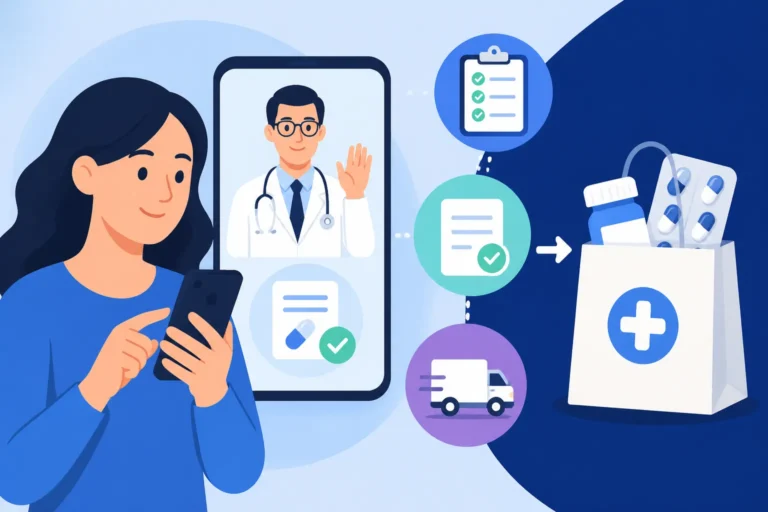
When it is not a life-threatening emergency but the local clinic is closed, you should use the fund's 24/7 nurse or doctor hotline. These services can often issue "digital prescriptions" that you can pick up at a late-night pharmacy in the city. Knowing How Do I See a Doctor Outside of Business Hours in Israel? is a survival skill for rural residents.
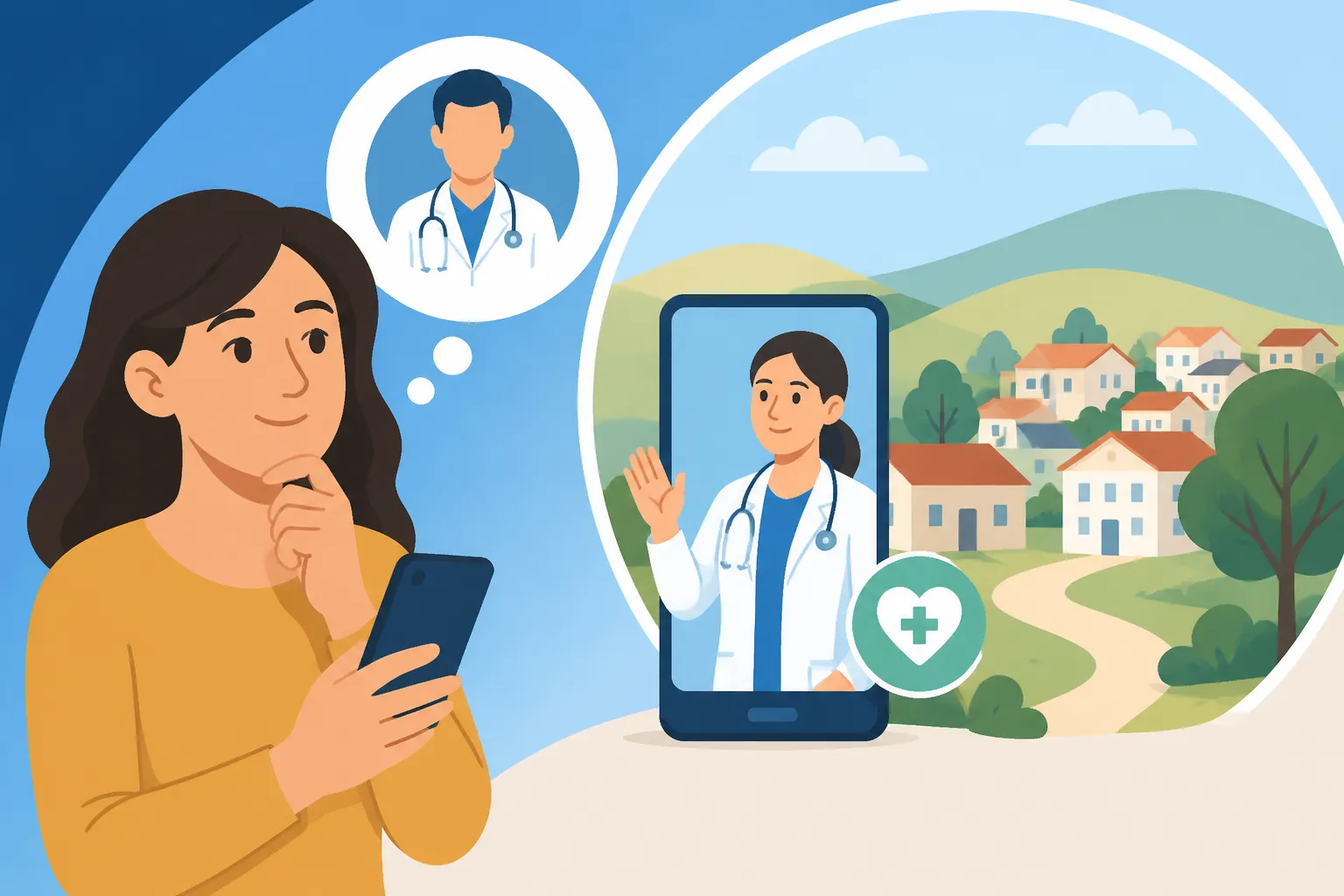
Most health funds also offer a "video call" service with a pediatrician or family doctor during evening hours. While they can't perform a physical exam, they can tell you if you need to head to the ER immediately or if it can wait until the local Mirpa’a opens in the morning. This is especially helpful if you are trying to avoid a costly and exhausting trip to a hospital like Soroka in Be'er Sheva or Ziv in Tzfat.
Comparison of Rural vs. Urban Healthcare Access
| Feature | Small Town (Yishuv/Moshav) | Large City (Tel Aviv/Haifa) |
|---|---|---|
| Doctor Availability | Limited (2-3 days a week) | High (Daily, multiple shifts) |
| Relationship | Personal, community-based | Professional, transactional |
| Specialists | Travel required to nearest city | Available within the city/neighborhood |
| Pharmacy Access | Often a small "dispensary" on-site | Multiple 24/7 chains nearby |
| Wait Times | Shorter for GP, longer for specialists | Longer for GP, more specialist options |
| Urgent Care | Dependent on volunteer first responders | Multiple "Moked" (Urgent Care) centers |
Overcoming Language Barriers and Cultural Nuances in Small-Town Clinics
In a Tel Aviv clinic, you can almost guarantee that someone—the doctor, the nurse, or even the person in the waiting room—speaks fluent English. In a small town, particularly in the periphery, the primary language is Hebrew, often followed by Russian, Arabic, or Amharic depending on the local demographic.
Communication Strategies with Local Staff
If your Hebrew is still at an "Ulpan Aleph" level, don't panic. However, you should prepare your medical terminology in advance. Use translation apps to write down your symptoms. While you might struggle to Find an English-Speaking Doctor in Israel who is stationed in a tiny village, many Israeli doctors studied abroad or use medical textbooks written in English, so they can often understand you even if they are hesitant to speak back.
The secretary, however, is a different story. They are often locals who may not speak much English at all. It is helpful to bring a Hebrew-speaking friend for your first registration visit. Once you are "in the system," most interactions can be handled via the app, which usually has an English interface.
The "Village" Vibe and Privacy
One thing many expats find jarring about small-town healthcare is the lack of anonymity. The person sitting next to you in the waiting room might be your child's kindergarten teacher or the guy who fixed your plumbing last week. The secretary might ask you about your symptoms while three other people are standing in the small lobby.
This is part of the "communal" nature of Israeli small towns. It isn't meant to be rude; it's just how life works in a tight-knit community. Embracing this—and perhaps even bringing a small "Treat" for the staff during the holidays—can go a long way in ensuring you get that "last-minute" appointment when you really need it. Understanding the Sal Briut (Health Basket) and What It Covers will help you know what you're entitled to ask for, even if the local clinic feels like a casual living room.
Accessing Pharmacies and Medication
Many small towns have a "dispensary" rather than a full pharmacy. This means they stock common medications (antibiotics, pain relievers, basic creams) but may not have specialized prescriptions. If you need something specific, the doctor will write a digital prescription, and you will need to understand the Israeli Pharmacy (Beit Mirkachat) System to find where to pick it up.
Often, rural residents "batch" their pharmacy trips, heading to a larger town once every two weeks to pick up chronic medications. If you are using a foreign prescription, remember that you generally cannot use a foreign prescription at an Israeli pharmacy; you must have the local village doctor "convert" it into an Israeli one after reviewing your records. In cases where you are still waiting for insurance and need an urgent prescription, some private pharmacies will assist if you have valid international coverage like SafetyWing, though they may charge the non-subsidized price.
Final Considerations for the Rural Expat
Living in a small town in Israel is rewarding, but it demands a proactive approach to health. You cannot be passive. You must know your doctor’s schedule, the secretary’s name, and the shortest route to the nearest emergency room. You should also understand How to Claim Reimbursement from Your Kupat Holim in Israel in case you are forced to use a private service because the local clinic was closed.
By setting up your registration the week you move in—rather than waiting until you are sick—you ensure a smooth transition. Israel's healthcare system is world-class, even in its furthest corners; you just have to learn the local "map" to access it.
Disclaimer
This guide is for informational purposes only and does not constitute medical or legal advice. Healthcare regulations and clinic availability in Israel can change frequently. Always verify current procedures with your specific health fund (Kupat Holim) and consult with a qualified medical professional for any health concerns. Registration requirements for non-residents and new immigrants may vary based on individual visa status and recent legislative updates.