Can I Get Treatment in Israel Without a Teudat Zehut?
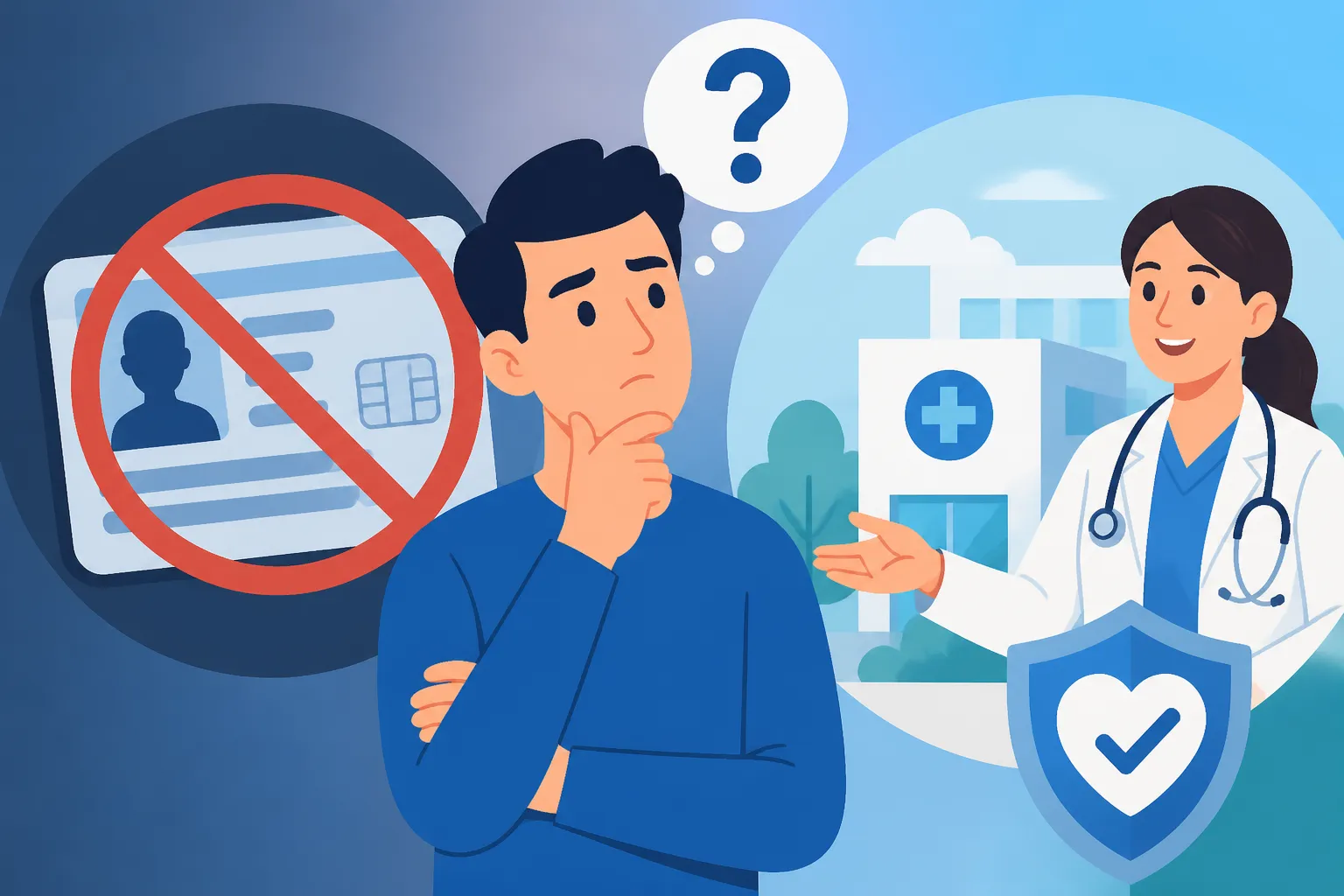
One of the most stressful experiences you can have as an expat or tourist in Israel is falling ill and realizing that the entire medical system seems to revolve around a nine-digit number you don't have. Many newcomers panic when asked for their Teudat Zehut at a clinic. This guide explains exactly how to access high-quality medical care using only your passport and the right insurance.
The Reality of Healthcare in Israel Without a National ID Number
In Israel, the Teudat Zehut (the blue identity card) is essentially the key to the kingdom. It is linked to your tax records, your driver’s license, and most importantly, your membership in one of the four national health funds. When an Israeli or an Oleh Chadash walks into a clinic, they swipe their magnetic card, and the system knows everything about them. If you are here on a B/1 work visa, an A/2 student visa, or simply exploring the country as a tourist, you are effectively "invisible" to this centralized digital database. This can be incredibly frustrating when you’re trying to book a simple appointment for a sinus infection and the automated phone system won't let you past the first prompt.
However, it is a common misconception that you cannot get treatment without this ID. Israel’s medical infrastructure is world-class, and it is legally and ethically obligated to treat anyone in need. The difference lies in where you go, how you are registered in their local temporary system, and how the bill is settled. For those who are still in the waiting period for their official residency, understanding The Complete Guide to Healthcare in Israel for Olim and Expats (2027) is the first step in realizing that the passport is a perfectly valid substitute for identification in the medical world.
The system treats non-residents as "private patients." This doesn't mean you get worse care; in fact, you often get faster access to specialists because you are paying the private rate rather than waiting for a subsidized public slot. The challenge is navigating the bureaucracy of being a "temporary" entry in a system designed for permanent residents. You will be assigned a temporary internal ID number by the clinic or hospital, usually based on your passport number, which will allow them to track your labs and prescriptions during your stay.
Immediate Medical Care: Where to Go in an Emergency
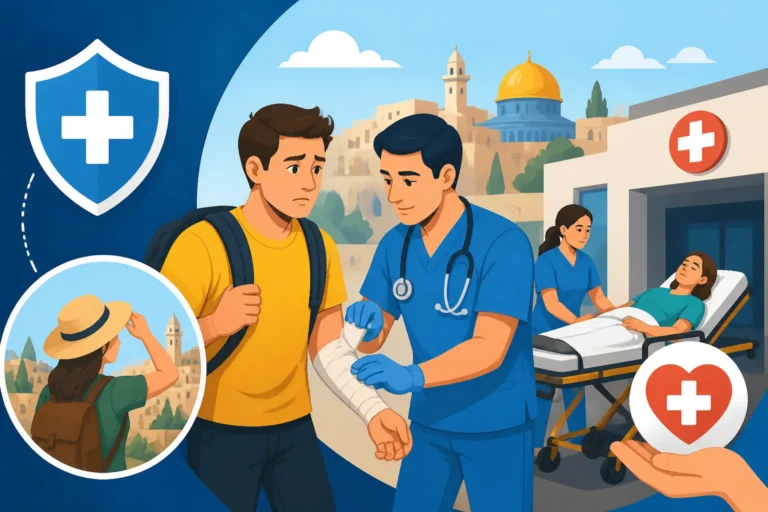
If you find yourself in an urgent situation—think a broken bone, a high fever, or a deep cut—you do not need to spend time worrying about your lack of a Teudat Zehut. In a true life-threatening emergency, Magen David Adom (MDA) will respond to any call. When the ambulance arrives, they will ask for identification, but a passport is more than sufficient. You should be aware, however, that without being linked to a health fund (Kupat Holim), you will likely receive a bill for the transport. Understanding Emergency Medical Care in Israel: What Every Newcomer Needs to Know can help you prepare for the logistical side of these high-stress moments.
For non-life-threatening but urgent issues, the best "middle ground" in Israel is Terem. Terem is a network of urgent care clinics found in most major cities like Jerusalem, Tel Aviv, and Haifa. They are open late, often 24/7, and they are very accustomed to treating tourists and foreign workers. When you walk into a Terem without a Teudat Zehut, the receptionist will simply scan your passport and create a file for you. You will pay an upfront "tourist" or "non-member" fee, but the care is professional and immediate. This is where having a flexible plan like SafetyWing becomes invaluable, as it is designed to cover these types of unexpected medical visits for people moving between countries or living as digital nomads.
If you choose to go directly to a hospital emergency room (Michon Miun), the process is similar but significantly more expensive. Without a referral (Hafnaya) from a doctor or a Teudat Zehut linked to a Kupah, the hospital will charge you the full private rate, which can run into thousands of shekels for a single visit. Even so, they will never turn you away for lack of a local ID. They will simply register you under your passport number and provide the necessary treatment. For those curious about the financial implications, The Cost of Healthcare in Israel: A Complete Breakdown for Foreigners (2026) provides a deeper look at these specific price points.
Navigating the System on a Work or Student Visa
Many people living in Israel are here legally on long-term visas but are not yet eligible for the National Health Insurance Law. If you are here on a B/1 visa, your employer is legally required to provide you with private health insurance that offers a "basket of services" similar to the public system. These plans, offered by companies like Harel or Menora, usually issue you a member card with a dummy ID number that starts with "77" or "99." This number acts as your surrogate Teudat Zehut within the healthcare provider's network.
When you have this type of insurance, you can often visit the same clinics as locals. For instance, if your employer-sponsored plan is managed through Clalit, you can go to a Clalit clinic. You’ll just need to explain to the receptionist that you are a "private member" or a "foreign worker." It’s a bit of an extra hurdle at the front desk, but once you’re in the doctor’s office, the care is identical. This is a common scenario that we cover in How to Access Healthcare on a Work Visa in Israel, as the nuances of these private-public partnerships can be confusing.
Students on an A/2 visa often find themselves in a similar boat. Most universities require students to purchase a specific insurance policy. If you are a student and get sick, your first stop should be the university’s student health office or the specific clinics listed in your policy. If you are a freelancer or someone between jobs, you might find yourself without a local private plan. In these instances, maintaining a global health policy like SafetyWing ensures that you aren't left paying entirely out of pocket for specialist visits or diagnostic imaging, which can be quite costly in the private sector.
Comparative Overview of Medical Options for Non-Residents
| Provider Type | Identification Needed | Payment Expectation | Best For |
|---|---|---|---|
| Terem (Urgent Care) | Passport | Upfront (approx. 500-900 ILS) | Non-life-threatening emergencies, stitches, infections |
| Public Hospital ER | Passport | Billed later (approx. 1,000+ ILS) | Major trauma, life-threatening symptoms |
| Private Specialist | Passport | Upfront (approx. 600-1,500 ILS) | Specific medical issues, second opinions |
| Kupat Holim Clinic | Membership Card/Passport | Copay (if insured) or Full Private Rate | Routine issues for those with B/1 or A/1 visas |
| Magen David Adom | None for treatment | Billed later (approx. 400-900 ILS) | Ambulance transport and on-site stabilization |
Private Clinics and Finding English-Speaking Doctors
If your medical need isn't an emergency, you might prefer the comfort and ease of a private clinic. In cities like Tel Aviv and Jerusalem, there are numerous private medical centers where the staff is entirely fluent in English and the administrative process is streamlined for foreigners. These clinics don't care if you have a Teudat Zehut; they operate on a fee-for-service model. You book an appointment, pay with a credit card, and they provide you with a detailed invoice that you can then submit to your insurance provider for reimbursement.
Finding these doctors is often easier than navigating the public system's directory. You can look for recommendations in expat Facebook groups or use the directory in How to Find an English-Speaking Doctor in Israel. Many of these doctors also work within the public system but dedicate several hours a week to private practice. The benefit of seeing a doctor privately is that they often have more time to spend with you, explaining the nuances of Understanding the Israeli Pharmacy (Beit Mirkachat) System and ensuring you know how to get your prescriptions filled without a local ID.
When you visit a private doctor, you should specifically ask for a "medical summary" (Sikum Refui) in English. This is crucial for your insurance claims and for your own records if you eventually transition into the public system as an Oleh. If you are worried about the upfront costs of these consultations, it’s worth noting that How Much Does a Private Doctor Visit Cost in Jerusalem? can vary significantly depending on the seniority of the specialist. Having a policy like SafetyWing can help bridge the gap for these outpatient costs, especially if you are in the country for a few months and haven't committed to a long-term local private plan.
Prescriptions and Lab Tests Without a Teudat Zehut
Once you’ve seen a doctor, the next hurdle is often getting your medication or a blood test. In the public system, prescriptions are digital and linked to your ID. For someone without a Teudat Zehut, the doctor will issue a printed paper prescription. You can take this to any private pharmacy (like Super-Pharm or Be) or the pharmacy attached to the clinic where you were treated. You will pay the "full price" for the medication, as you won't benefit from the subsidies provided to health fund members. However, generic medications in Israel are generally quite affordable even at the full retail price.
For lab tests, such as blood work or X-rays, the process is a bit more manual. If you go to a private lab, you will present your passport and the doctor's referral. They will perform the tests and usually email you the results or give you a code to access them online. It is vital to keep all these physical papers. In Israel, the transition from a "tourist" status to a resident status can sometimes be messy, and having a physical folder of your medical history will save you a massive headache later. This is particularly important for those wondering What Happens If I Get Sick Before My Kupah Registration Is Complete? because those early records will be essential for your new family doctor to understand your health baseline.
Lastly, don't forget the importance of Public vs Private Healthcare in Israel: Which Should Expats Choose? when planning your long-term stay. While you can certainly survive and receive excellent care without a Teudat Zehut, the convenience and cost-savings of the public system are significant once you become eligible. Until then, stay prepared with your passport, a good set of English-speaking contacts, and a robust insurance plan like SafetyWing to ensure that a lack of a nine-digit number never stands between you and your health.
Healthcare Disclaimer
The information provided in this guide is for general informational purposes only and does not constitute professional medical or legal advice. Healthcare regulations and costs in Israel can change frequently. Always consult with a qualified medical professional or a licensed insurance agent regarding your specific health needs and coverage options. If you are experiencing a medical emergency in Israel, dial 101 for Magen David Adom immediately.