How Do I Get Emergency Dental Care in Israel?
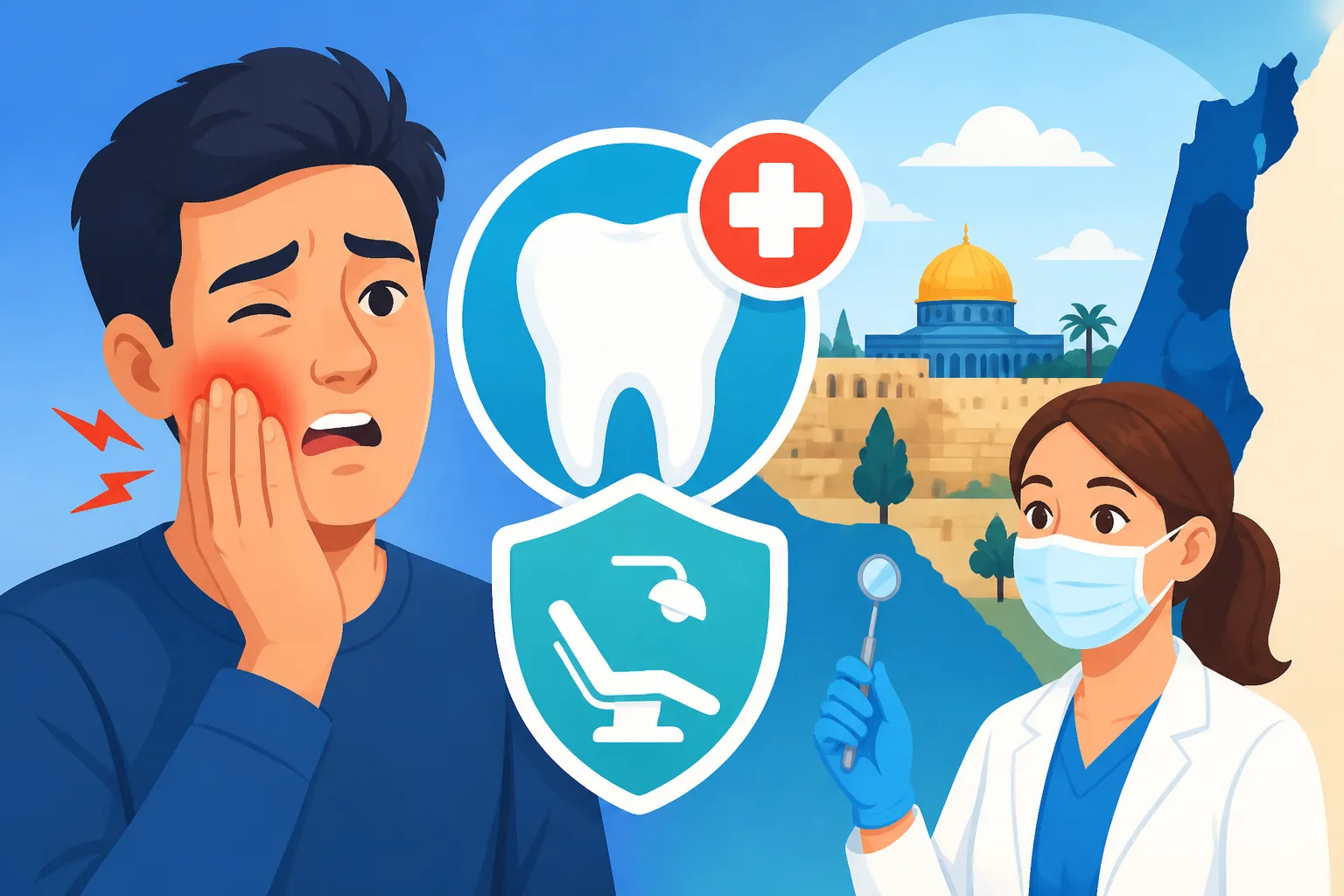
Imagine waking up at 3:00 AM in a quiet apartment in Jerusalem or a humid studio in Tel Aviv with a toothache so sharp it feels like a lightning bolt is hitting your jaw. For expats and tourists, navigating a foreign medical system while in agonizing pain is a nightmare scenario. This guide breaks down exactly how to find emergency dental care in Israel, what you can expect to pay, and how to navigate the system during Shabbat or holidays.
Understanding the Landscape of Dental Care in Israel
Dental care in Israel operates on a hybrid model that can be confusing for those used to purely public or purely private systems. Unlike general medicine, which is largely covered by the national health tax, dental care for adults is mostly a private expense, though the public health funds (Kupot Holim) do offer significantly discounted services through their own dental chains. When an emergency strikes, your first decision is whether to head to a public "Moked" (emergency center) or a private 24-hour clinic.
The Role of Kupot Holim in Dental Emergencies
If you are a resident and have already gone through the process of Choosing a Kupat Holim in Israel: Clalit, Maccabi, Meuhedet or Leumit (2027), you have access to their dental wings: Clalit Smile, Maccabi-dent, Meuhedet Dental, or Leumit Smile. These clinics are the backbone of the Israeli dental system. During standard business hours, they are your most affordable option. However, their "emergency" slots during the day fill up fast. You usually have to call their central hotline (e.g., *2700 for Clalit or *3555 for Maccabi) and insist that you are in "chashash l'pikuach nefesh" (though that's for life-threatening issues, for dental, just say "ke'evim azim" or severe pain) to get a same-day appointment.
The beauty of the Kupah system is the regulated pricing. If you have the higher tier of supplemental insurance, an emergency examination fee is often waived or deeply discounted. However, if the emergency happens at 10:00 PM or on a Saturday, the standard Kupah clinics will be closed. This is where the "Moked" comes in. Most major cities have a designated emergency dental hub that stays open when others close. You will likely pay an "after-hours" surcharge, which can range from 150 to 300 NIS just to see the dentist, plus the cost of the actual treatment.
Private Clinics and 24-Hour Emergency Centers
For tourists, short-term workers, or those who simply cannot wait for a Kupah appointment, private clinics are the way to go. Israel has a high density of dentists, and many private practitioners in cities like Tel Aviv, Ra'anana, and Haifa speak excellent English. There are also dedicated 24/7 dental emergency centers. These are often located near major hospitals or in central commercial zones.
Private care is faster and often more personalized, but you pay for the convenience. A private emergency visit on a Friday night might start at 500 NIS before any work is even done. If you are in Israel on a temporary basis and haven't yet secured local coverage, having a plan like SafetyWing can be a literal lifesaver. While many travel insurances are stingy with dental, having a reliable safety net ensures that you can walk into a high-end private clinic in North Tel Aviv and get that abscess drained without worrying if you can afford your rent next month.
Specialized Hospital Dental Wards
In extreme cases—we are talking about massive facial swelling that affects your breathing, a broken jaw, or uncontrollable bleeding after an extraction—you should not go to a dental clinic. You need a hospital. Major medical centers like Ichilov in Tel Aviv, Hadassah in Jerusalem, or Rambam in Haifa have oral and maxillofacial departments.
Navigating Emergency Medical Care in Israel: What Every Newcomer Needs to Know is vital here. If you go to a hospital ER for a simple toothache, you will likely be charged the full ER fee (around 900-1,000 NIS) and then told to see a community dentist anyway. Only go to the hospital if it is a true surgical emergency. For everything else, the community "Moked" or a private 24-hour clinic is your best bet.
Immediate Steps to Take When a Dental Emergency Hits
When the pain starts, the clock is ticking. The first thing any veteran expat will tell you is: don't wait for Sunday morning. In Israel, the workweek runs from Sunday to Thursday. Friday afternoon and all of Saturday (Shabbat) see a massive scale-back in available services. If you feel a dull throb on Thursday evening, deal with it immediately, or you will be searching for a Moked in the middle of the night on Friday.
Identifying the Severity and Finding a Clinic
Is it a lost filling or a knocked-out tooth? If a tooth has been knocked out, time is of the essence—you have about 30 to 60 minutes to get it replanted. Place the tooth in a container of milk and find the nearest 24-hour private clinic immediately. For severe pain, start by calling your Kupat Holim's dental line if you are a member. They will direct you to the nearest "Moked" that is currently active.
If you are not a member of a health fund, use Google Maps and search for "Emergency Dentist" or "Rofeh Shinayim B'Hechal." Look for reviews specifically mentioning "emergency" or "urgent" care. In Tel Aviv, clinics near Arlozorov or Dizengoff often cater to the expat community and stay open late. For those traveling and not yet registered with a local fund, checking your SafetyWing policy details can help you understand which private clinics might be easier to claim against later.
Navigating Care During Shabbat and Holidays
Shabbat in Israel can feel like the "twilight zone" for a newcomer. From Friday sundown to Saturday sundown, public transport stops in most cities, and many businesses close. If you have a dental emergency on Shabbat, you cannot simply walk into your local neighborhood clinic. You must find a "Moked" or a private clinic that specifically advertises "Shabbat service."
Be prepared for the "Shabbat Surcharge." It is a standard practice in Israel for service providers (from plumbers to dentists) to charge significantly more on the day of rest. This is legal and expected. If you have a car, you can drive to these centers, but if you rely on public transport, you will need to call a taxi (Gett is the most reliable app in Israel). Knowing How Do I See a Doctor Outside of Business Hours in Israel will give you a broader sense of how the after-hours medical infrastructure works, as dental emergencies often follow the same logistical patterns.
Preparing for the Appointment
Before you rush out the door, grab your passport or Teudat Zehut. If you are a member of a health fund, you must have your magnetic card with you. If you are a tourist, you will be expected to pay upfront. Most Israeli clinics accept major credit cards (Visa/Mastercard) and the local "Bit" or "PayBox" apps, but having some cash (NIS) on hand is never a bad idea for smaller, private clinics.
If you have a complex medical history, try to have a digital copy of your records or at least a list of medications you are taking. Israeli dentists are generally very thorough, but communication is key. Even though most dentists speak some English, technical terms can get lost in translation. Use a translation app if you need to explain specific symptoms like "throbbing," "sensitivity to cold," or "pressure."
Costs, Payments, and Insurance Coverage
The cost of emergency dental care in Israel can vary wildly depending on your residency status and the type of insurance you hold. For many, Understanding Dental Care Coverage in Israel is a wake-up call, as they realize the "free" healthcare system doesn't extend fully to adult teeth.
Standard Prices for Emergency Procedures
To give you a realistic idea of what your wallet is about to endure, here is a breakdown of common emergency costs in the private sector versus the Kupat Holim (public) sector for an adult with basic supplemental insurance.
| Procedure | Kupat Holim (Moked/Emergency) | Private Clinic (Business Hours) | Private Clinic (After Hours/Shabbat) |
|---|---|---|---|
| Emergency Exam/Consultation | 100 – 250 NIS | 250 – 400 NIS | 500 – 800 NIS |
| Digital X-Ray (Periapical) | 0 – 40 NIS | 50 – 100 NIS | 100 – 150 NIS |
| Temporary Filling | 150 – 300 NIS | 300 – 500 NIS | 600 – 900 NIS |
| First Stage Root Canal (Relief) | 400 – 700 NIS | 800 – 1,500 NIS | 1,500 – 2,500 NIS |
| Simple Extraction | 250 – 500 NIS | 600 – 1,200 NIS | 1,200 – 2,000 NIS |
| Abscess Drainage & Antibiotics | 200 – 400 NIS | 500 – 800 NIS | 800 – 1,200 NIS |
Note: Prices are estimates for 2026 and can vary based on the specific city and the seniority of the dentist.
How Insurance and Supplemental Plans Work
If you are an Oleh Chadash (new immigrant), you might be surprised to find that even with the Sal Briut, dental isn't fully "free" like a visit to the GP. You need "Bituach Mashlim" (Supplemental Insurance) like Clalit Mushlam or Maccabi Zahav to get the prices listed in the table above. Without these, you are essentially paying "private" rates even at the public clinic.
For expats on work visas or tourists, your primary coverage will likely be private. If you are using SafetyWing, you should keep all receipts, the doctor’s medical notes (in English if possible, though Hebrew is usually fine for major insurers), and a breakdown of the treatment. Israeli clinics are very used to providing "kabbalot" (receipts) and "heshbonit mas" (tax invoices). Make sure you ask for a "medical report" for your insurance company before you leave the chair; getting it later via phone or email can be a bureaucratic headache.
Managing Payments as a Foreigner
One quirk of the Israeli system is the "Tashlumim" (installments) culture. If you have a large emergency bill—say, an emergency root canal and a crown—most private clinics will allow you to split the payment into 3 to 12 monthly installments on your Israeli credit card. This doesn't apply to foreign cards, so if you are a tourist, you will need to pay the full amount upfront.
If you find yourself in a financial pinch, some "Moked" services operated by NGOs or municipal programs in lower-income areas might offer sliding scale fees. However, these are rare and often have long wait times. Your best bet is to have a dedicated "emergency fund" or a robust travel insurance policy that includes dental. SafetyWing is often favored by nomads in Israel because it simplifies the reimbursement process for these unexpected, high-cost "Shabbat surprises."
Practical Tips for Navigating the System as a Foreigner
Living in Israel requires a certain level of "Chutzpah" and a lot of patience. When you are in pain, your patience is thin, but knowing a few cultural and logistical tips can make the process much smoother.
Language Barriers and Finding English Speakers
While Hebrew is the official language, the dental community in Israel is highly international. Many dentists studied in Eastern Europe, the US, or Western Europe. If you are in a major hub, you can almost always find a dentist who speaks English. In fact, if you are looking for a specific comfort level, you might want to look for How Do I Find an English-Speaking Doctor in Israel as many of the same directories list dental specialists.
When you call a clinic, don't be afraid to ask, "Ha-im yesh rofeh she-medaber Anglit?" (Is there a doctor who speaks English?). In places like the German Colony in Jerusalem or the "Old North" in Tel Aviv, English is often the de facto second language of the clinic. If you are struggling with a receptionist who doesn't speak English, keep it simple: "Ke'ev shinayim. Dachuf." (Tooth pain. Urgent.) Usually, the word "Urgent" or "Emergency" gets the point across.
What to Bring and What to Ask
When you finally get into that chair, you want to make the most of it. Don't just settle for a quick fix if you have the time for a proper diagnosis.
- The Teudat Zehut/Passport: Essential for registration.
- The "Hafnaya" (Referral): If you went to a general ER first (which we don't recommend for simple toothaches), bring the paperwork they gave you.
- The List of Questions: Ask specifically if this is a "temporary" fix or a "permanent" one. In emergencies, Israeli dentists often do a "pulpotomy" (the first stage of a root canal) to kill the pain, but you will need to return for the full procedure.
- The Price Quote: Always ask for the price before they start drilling. It is perfectly acceptable in Israel to ask, "Kama ze ya'aleh?" (How much will it cost?).
If you are an expat working for an Israeli company, don't forget to ask for an "Ishur Machala" (sick note). Dental pain is a valid reason for missing work, and you will need this note for your HR department to ensure you get paid for your day off. Knowing how to get an Ishur Machala is a basic skill for anyone navigating the Israeli workforce.
Post-Emergency Follow-Up
An emergency visit is rarely the end of the story. Once the immediate pain is gone, you will likely need follow-up care. If you are a resident, this is the time to utilize your Kupat Holim benefits for a permanent filling or crown. If you are a tourist, you might want to wait until you return home for the final restorative work, but make sure the emergency dentist gives you a copy of the X-rays. In Israel, X-rays are digital, and they can easily email them to you or give them to you on a disk/USB.
Finally, if the pain was caused by an accident—like a fall or a bike crash in the dedicated Tel Aviv bike lanes—you should also contact Magen David Adom and Emergency Response in Israel if there are other injuries. Sometimes a dental emergency is part of a larger medical event, and you want to ensure all your documentation is in order for any potential insurance or legal claims later.
Disclaimer
The information provided in this guide is for educational and informational purposes only and does not constitute professional medical or dental advice. Always seek the advice of a qualified healthcare provider regarding any medical condition or treatment. Prices and regulations in the Israeli healthcare system are subject to change, and you should verify current costs and availability with your specific health fund or private clinic. If you are experiencing a life-threatening emergency, dial 101 for Magen David Adom immediately.