How Do I Enrol My Child in School in Israel?
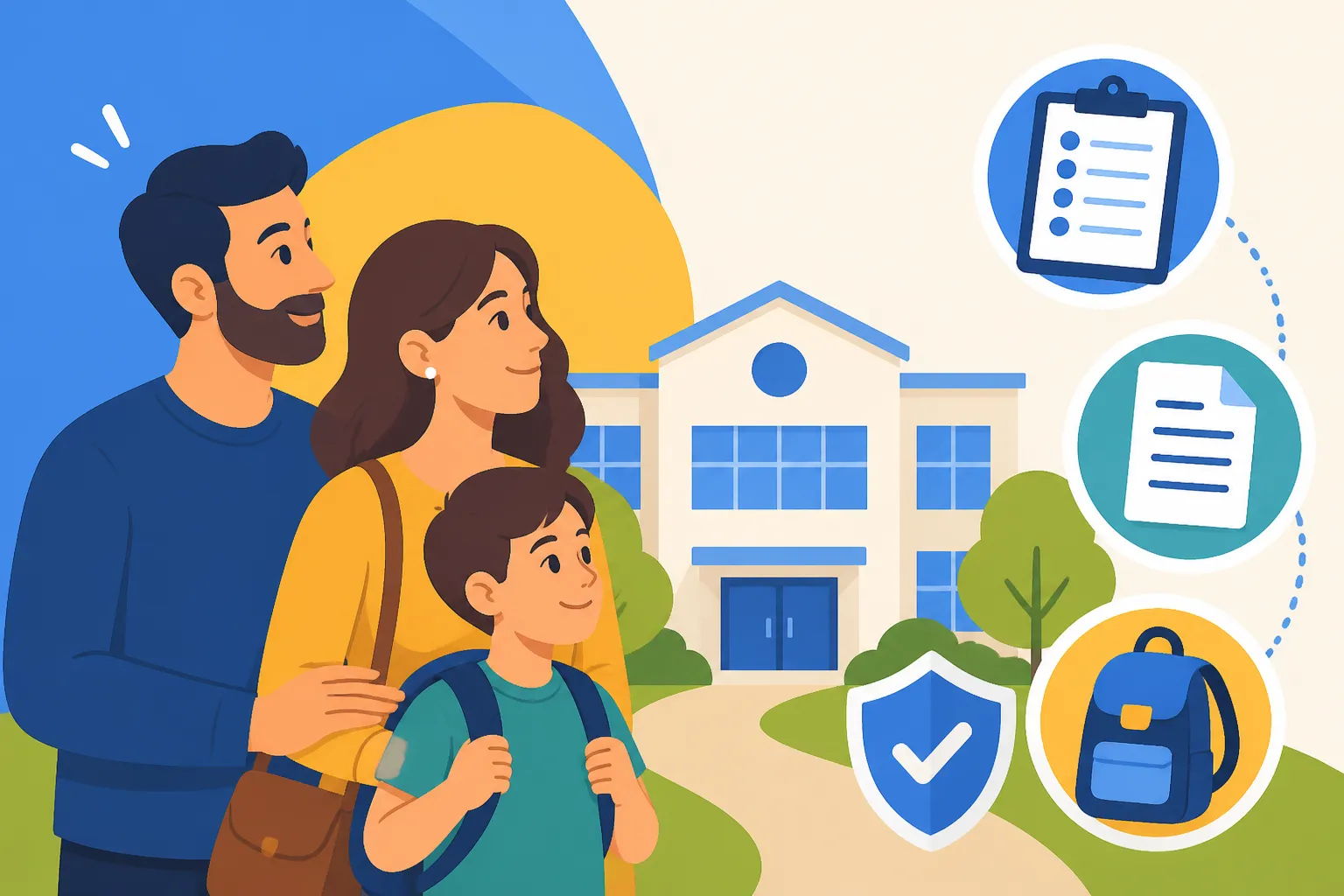
Moving to Israel with children is an adventure, but let's be honest, the administrative hurdles can feel like navigating a maze blindfolded, especially when it comes to something as crucial as enrolling your kids in school. The local jargon, the different systems, figuring out where to even start – it’s a process that can leave even the most organized expat feeling overwhelmed. This guide is here to walk you through every step, helping you understand the Israeli education system and confidently enroll your child, making this big transition a little less daunting for your whole family.
Understanding the Lay of the Land: Israel's School System Basics
Before you even think about forms and deadlines, it’s helpful to get a grasp of how education generally works in Israel. It’s a bit different from many Western countries, but once you understand the framework, the individual pieces start to fall into place. Israel places a high value on education, and while the system can seem bureaucratic from the outside, it's designed to cater to a diverse population.
From Gan to Bagrut: The Stages of Education
The Israeli education system is structured into several distinct stages, catering to children from infancy right through to their high school graduation. Understanding these stages is key to knowing where your child will fit in based on their age.
Education officially begins at age three with mandatory preschool, known as Gan Chova (compulsory kindergarten). Before that, from birth to age three, many children attend private daycare centers (Ma'on or Mishpachton) or Gan Yeladim (private kindergartens), which are not subsidized by the state but are widely available. The Gan Chova is usually free or heavily subsidized by the municipality, ensuring that all children have access to early childhood education. This stage focuses heavily on social skills, basic literacy, and numeracy, preparing children for the more structured environment of primary school.
Following Gan Chova, children transition to Beit Sefer Yesodi (primary school), which typically spans grades 1 through 6 (ages 6-12). This is where formal academic learning really kicks in, with a curriculum that includes Hebrew language, mathematics, science, history, geography, English, and religious studies (even in secular schools). Many expats find that the teaching style can be quite direct and less focused on individual expression than what they might be used to, but it's generally a nurturing environment.
After primary school, students move on to Chativat Beinayim (middle school), covering grades 7 through 9 (ages 12-15). This stage often involves more specialized subject teachers and can be a big shift in independence for students. The curriculum deepens, and students are introduced to more complex topics across all subjects. For many children, this is also the age when social dynamics become more pronounced, and fitting in can be a significant concern, especially for new arrivals still grappling with Hebrew and cultural norms.
Finally, students attend Beit Sefer Tichon (high school), from grades 10 through 12 (ages 15-18). The culmination of high school is the Bagrut – a series of matriculation exams that are crucial for university admission and future career paths. These exams are rigorous and cover a wide range of subjects. Preparing for the Bagrut can be quite demanding, often requiring extra tutoring or study groups. Some high schools offer specialized tracks, like science, arts, or vocational training, allowing students to focus on areas of interest. You can read more about the broader educational landscape in Israel in our comprehensive guide, Schools and Education in Israel: A Complete Guide for Expat Families.
Public vs. Private: A Quick Overview
When you're first looking into schools, you'll quickly discover the primary distinction: public versus private. This choice often comes down to budget, language preference, and desired level of integration into Israeli society.
Public Schools (Chinuch Mamlakhti) are the backbone of the Israeli education system. These schools are largely free, funded by the state and municipalities, with parents typically only paying for supplementary activities, books, and supplies. They operate entirely in Hebrew and follow the national curriculum set by the Ministry of Education. For many expat families, especially those making Aliyah, public schools are the default choice for their children. They offer immersion into Israeli culture and language, which can be invaluable for long-term integration. However, the initial language barrier can be very challenging for children who arrive without any Hebrew, and schools may have limited resources for new immigrant support. Class sizes can also be quite large, especially in popular urban areas like Tel Aviv or Jerusalem.
Private Schools, on the other hand, offer alternatives, often with a different curriculum, language of instruction, or religious focus. These include international schools that teach in English (or other languages) and follow international curricula like the International Baccalaureate (IB) or Advanced Placement (AP). There are also private religious schools that may offer a more intensive religious education than public religious schools. The biggest difference, of course, is the cost. Private school tuition can be very substantial, often running into tens of thousands of shekels per year, per child. However, they can provide a smoother transition for children accustomed to a specific international curriculum or for those who need more time to adapt to Hebrew in a less pressured academic environment. They also tend to have smaller class sizes and more resources dedicated to individual student needs.
For younger children, understanding the nuances of public versus private childcare is also important, and you can delve deeper into that in our article on Understanding Gan and Preschool Enrolment in Israel. The choice between public and private is a significant one, impacting not just your child's education but also their social life and your family's financial planning.
The Enrollment Journey: A Step-by-Step Guide for Newcomers
Alright, now let’s get down to the nitty-gritty: the actual process of enrolling your child. This can feel like a bureaucratic labyrinth, but with a clear roadmap, it's manageable. Remember, patience is your best friend here, along with a thick folder for all your documents.
First Things First: Residency and Municipal Registration
Before any school will even look at your application, you need to establish your family’s residency in Israel and officially register your address. This is perhaps the most critical initial step, as school allocation is primarily based on your registered municipal address.
If you’ve recently made Aliyah or moved to Israel on a long-term visa, your first port of call will be the Misrad HaPnim (Ministry of Interior). Here, you'll obtain your Teudat Zehut (Israeli Identity Card) or a temporary resident card, which is essential for almost all official processes. This card proves your legal status in the country. If you're wondering How to Get a Teudat Zehut and Tax File Number in Israel, we have a dedicated guide to help you through that initial hurdle. Without this, the school enrollment process simply won't begin.
Once you have your Teudat Zehut, you must register your official address with the Misrad HaPnim. This is vital because your child will be assigned to a school within your gonen (catchment area) or municipal zone. You can't just pick any school; you're typically allocated a spot based on where you live. For a comprehensive guide on this, check out Registering Your Address with the Population Authority in Israel. Ensure your address is correctly updated immediately upon moving. If you've just signed a rental contract, that’s usually sufficient proof of address for the Misrad HaPnim. Keep copies of your rental agreement and any utility bills (like electricity or Arnona) as these will serve as crucial proof of residence for the education department. Speaking of utilities, getting them set up is another essential step in establishing your new home, and our guide on The Expat Guide to Setting Up Utilities in Israel can help with that.
Navigating Your Local Municipality (Rishut Mekomit)
With your residency and address firmly established, your next step is to engage with your local Rishut Mekomit (municipality). Each municipality manages its own education system, so while the general process is similar, the specifics can vary slightly from city to city (e.g., Tel Aviv vs. Jerusalem vs. Haifa).
You'll need to contact the municipality's Agaf Chinuch (Education Department). Many municipalities have dedicated departments or contact persons for new immigrants (Olim Chadashim or Toshavim Chadashim), which can be immensely helpful. They often have English-speaking staff or access to translators. It’s always best to call ahead to find out their operating hours, whether you need an appointment, and what documents to bring. You'll need reliable connectivity to make those all-important phone calls to the municipality's education department or to access online registration portals. Services like Airalo can be a lifesaver for getting an eSIM quickly upon arrival, ensuring you're not scrambling for a local SIM card while trying to navigate school enrollment.
During your visit (or online process), you'll typically fill out an enrollment form. This form will ask for your child's personal details, your family's details, your address, and often information about their previous schooling. Be prepared to indicate your preference for a particular type of school (e.g., secular public, religious public), although the final decision rests with the municipality based on availability and your catchment area. The municipality will then assign your child to a specific school. Sometimes you might get a choice of a couple of schools, especially if your street is on the border of two catchment areas, but often it's a single allocation.
It’s crucial to understand the Shenat Halimudim (school year) in Israel, which usually begins on September 1st and ends on June 30th (for elementary and middle schools) or July 20th (for high schools). Registration for the upcoming school year usually takes place in January or February. While new immigrants can often register throughout the year upon arrival, registering outside of these official periods can sometimes mean fewer choices or a slight delay in placement, so plan accordingly if possible.
Required Documentation and Key Appointments
To avoid multiple trips and endless frustration, arrive at the municipality's education department with a complete dossier of documents. Being prepared will significantly smooth the process. Here’s a typical checklist of what you'll need:
- Your Teudat Zehut (or temporary resident card) for both parents.
- Your child's passport and visa (if applicable).
- Your child's birth certificate (original and a copy). If it's not in Hebrew or English, it might need to be translated and apostilled or notarized.
- Proof of address: A current rental contract (Chozeh Schirut), mortgage statement, or recent Arnona (municipal tax) bill in your name. This is paramount for school assignment.
- Your Teudat Oleh (New Immigrant Certificate), if you've made Aliyah. This is vital as it often entitles you to certain benefits or support services for new immigrants, including language support in schools.
- Previous school records/report cards: While not always strictly required for enrollment, these can be very helpful for the Israeli school to understand your child's academic background and place them appropriately. Having them translated can also be beneficial.
- Vaccination records: Israeli schools will need these. Ensure your child's immunization schedule aligns with Israeli requirements. You can check our guide on How to Get Vaccinations and Immunisation Records in Israel for more details.
Regarding appointments, these can often be booked online via the municipality's website or by phone. Some smaller municipalities might operate on a walk-in basis, but it's safer to confirm. When you do have an appointment, try to arrive a bit early. The municipal offices, especially the Misrad HaPnim and education departments, can be very busy places. And if you’re planning a big move, perhaps bringing along a lot of specialized school supplies or children’s books, comparing international moving services through platforms like Sirelo can ensure your family’s belongings arrive safely and efficiently, leaving you more time to focus on the enrollment process.
Choosing the Right Educational Path for Your Child
Deciding which school is the "right" one for your child is a deeply personal choice, influenced by your family's values, your child's personality, your budget, and your long-term plans in Israel. Let's delve into the options.
Public Schools (Mamlakhti): The Standard Option
For many new immigrants, the public school system is the natural choice. These are state-funded, follow the national curriculum, and are almost entirely in Hebrew.
Pros of Public Schools:
- Cost-Effective: Tuition is essentially free, making it accessible for all families, regardless of income. This significantly impacts your The Complete Guide to Cost of Living in Israel for Expats (2026). You'll only typically pay for school trips, some materials, and optional after-school activities.
- Immersion & Integration: This is arguably the biggest advantage. Being in a Hebrew-speaking environment forces children to learn the language quickly and naturally, accelerating their integration into Israeli society. They'll make Israeli friends, understand local customs, and become part of the community.
- Local Experience: Your child will experience school life just like their Israeli peers, fostering a sense of belonging and cultural understanding. This can be incredibly enriching in the long run.
- Widespread Availability: Public schools are everywhere, ensuring there's a school in every neighborhood.
Cons of Public Schools:
- Language Barrier: For children arriving with no Hebrew, the initial period can be incredibly tough. They might struggle to understand lessons, make friends, and participate fully. While some schools offer Ulpan Kefarim (children's Ulpan) or individual support for new immigrants, resources vary widely.
- Curriculum Differences: The Israeli curriculum might differ significantly from what your child is used to, especially in subjects like history, literature, and religious studies.
- Large Class Sizes: Especially in central, sought-after cities like Tel Aviv or Jerusalem, class sizes can be large, meaning less individualized attention for your child, which can be challenging if they are also dealing with a language barrier.
- Less Individualized Approach: The system can feel less flexible or tailored to individual needs compared to some Western education systems.
For a more detailed breakdown of the public school system, check out How to Enrol Your Child in an Israeli Public School. It delves into the specific steps and expectations.
Religious Public Schools (Mamlakhti Dati): For a Religious Environment
If your family has a religious orientation, the Mamlakhti Dati (National Religious) public school system might be a good fit. These schools are also state-funded but incorporate a stronger emphasis on Jewish religious studies, traditions, and values into their daily curriculum.
Pros of Religious Public Schools:
- Values-Based Education: Provides an education steeped in Jewish values, traditions, and a deeper dive into religious texts and practices.
- Community: Often fosters a strong sense of community among families, which can be particularly supportive for new immigrants seeking like-minded individuals.
- Structure and Discipline: Many religious schools have a reputation for structured environments and a strong emphasis on discipline.
Cons of Religious Public Schools:
- Specific Religious Focus: May not be suitable for secular families or those from different religious backgrounds. The religious content is integral to the daily schedule.
- Integration: While still integrating into Israeli society, the social circles might be more religiously homogeneous, which may or may not align with your family's preferences.
It's worth visiting these schools, if available in your area, to get a feel for their specific atmosphere and curriculum, as there can be variations even within the Mamlakhti Dati system.
International and Private Schools: An Alternative Route
For many expats, particularly those on temporary assignments or those prioritizing a specific curriculum or language of instruction, international and private schools offer a compelling alternative.
Pros of International and Private Schools:
- Language of Instruction: Most international schools teach primarily in English, or another specific language, making the academic transition much smoother for children who don't yet speak Hebrew.
- International Curriculum: They often follow globally recognized curricula like the IB (International Baccalaureate), American (AP), or British (IGCSE/A-Levels), which can ease transitions if your family plans to move again internationally.
- Smaller Class Sizes & Resources: Generally, private schools boast smaller class sizes, allowing for more individualized attention from teachers. They often have more extensive resources, including specialized learning support.
- Multicultural Environment: These schools often host a diverse student body from various countries, providing a multicultural experience.
Cons of International and Private Schools:
- High Cost: This is the most significant drawback. Tuition fees can be exceedingly high, ranging from tens of thousands to over 100,000 NIS per year, per child. This is a major financial consideration for any expat family.
- Less Local Integration: While in Israel, children in international schools may have less direct immersion into Israeli society and culture, potentially creating a "bubble" effect. Their social circle might consist primarily of other expat children.
- Location: International schools are typically located in major cities like Tel Aviv, Herzliya, and Jerusalem, which might not be convenient if you live elsewhere.
If you're considering this route, diving into Understanding International and Bilingual Schools in Israel will give you a much more detailed picture of the options available. These schools often have their own application processes, which might involve entrance exams, interviews, and specific deadlines, so it's wise to contact them directly well in advance.
Here's a quick comparison table to help you weigh your options:
| Feature | Public (Mamlakhti) Schools | Religious Public (Mamlakhti Dati) Schools | International/Private Schools |
|---|---|---|---|
| Cost (Annual) | Low (subsidized; parents pay for extras) | Low (subsidized; parents pay for extras) | High (tens of thousands to over 100,000 NIS) |
| Language of Instruction | Hebrew (full immersion) | Hebrew (full immersion with religious studies) | Primarily English (or other non-Hebrew languages) |
| Curriculum | National Israeli Curriculum (Ministry of Education) | National Israeli Curriculum + Intensive Religious Studies | International (IB, AP, British, American), or unique private |
| Integration | High into Israeli society & culture | High into religious Israeli community | Lower direct integration into local society |
| Class Size | Often large (25-35+ students) | Moderate to large | Smaller (often 15-25 students) |
| Accreditation | Israeli Ministry of Education | Israeli Ministry of Education | Often internationally accredited (e.g., CIS, NEASC) |
| Target Audience | General population, new immigrants seeking full immersion | Religious families, new immigrants seeking religious education | Expats, diplomats, families prioritizing international curriculum or English |
Overcoming the Language Barrier and Supporting Integration
One of the biggest concerns for expat parents is how their child will cope with the language barrier. It’s a legitimate worry, but Israel has various mechanisms and strategies to help.
Hebrew Ulpan and Support Programs
For new immigrant children, particularly those making Aliyah, municipalities and schools often provide some form of language support. This can come in several forms:
- Ulpan Kefarim (Children's Ulpan): Some municipalities offer intensive Hebrew language classes specifically for new immigrant children, either within the school or at a separate location, before or during the regular school year. These programs are designed to give children a head start in Hebrew.
- Individual Support: Schools may provide individual or small-group tutoring for Olim Chadashim within the school day, often for the first year or two. The availability and intensity of this support vary greatly by school and municipality. Don't be shy about asking the school administration what resources they offer for new immigrant students.
- Peer Support: Often, schools will assign a "buddy" (a veteran Israeli student) to a new child to help them navigate the school, translate, and make friends. This informal support can be incredibly effective.
- External Ulpan Courses: While less common for younger children, teenagers might benefit from dedicated youth Ulpan courses offered outside of school hours, similar to adult Ulpanim. For a deeper dive into learning Hebrew, our guide Learning Hebrew: A Complete Guide to Ulpan and Language Levels offers valuable insights.
It's important to set realistic expectations. Children are incredibly resilient and often pick up languages much faster than adults. However, the first few months, or even the first year, can be frustrating and exhausting for them. Expect emotional ups and downs. Celebrate small victories, like understanding a new word or making a new friend.
Cultural Adaptation and Social Integration
Beyond language, cultural adaptation is another significant aspect of school enrollment in Israel. Israeli schools have their own unique culture, which can be more direct, less formal, and sometimes louder than what children from other countries might be used to.
- Parental Involvement: Get involved with the school as much as you can. Attend parent-teacher meetings, volunteer for school events if possible, and communicate regularly with your child's teachers. This shows your child you value their education and helps you understand the school environment better. If you have language difficulties, ask if a translator can be present for important meetings.
- Encourage Playdates: One of the best ways for children to integrate socially and practice Hebrew is through informal play with their peers. Encourage playdates, even if your child is shy at first. These interactions build confidence and language skills in a low-pressure environment.
- Understand School Culture: Take the time to observe and understand the unwritten rules and social dynamics of the school. For example, Israeli schools often have a stronger emphasis on collective activities and national holidays than some Western schools.
- Patience and Empathy: This cannot be stressed enough. Your child is undergoing a massive change. There will be days of tears, frustration, and perhaps even anger. Validate their feelings, remind them that it's okay to struggle, and assure them that things will get easier. Creating a stable, supportive home environment is crucial during this period of adjustment.
Remember, every child adapts at their own pace. Some will blossom within weeks, while others might take a year or more to feel truly settled. Your role as a parent is to be their advocate, their cheerleader, and their anchor through this exciting, challenging, and ultimately rewarding journey.
Disclaimer
The information provided in this guide is for general informational purposes only and does not constitute professional legal, educational, or financial advice. While we strive to provide accurate and up-to-date information, regulations and procedures in Israel can change frequently. It is always recommended to consult with the relevant Israeli government authorities, educational institutions, or a qualified professional for advice tailored to your specific situation.