How Much Does Public Transport Cost in Tel Aviv?
Oh, the joys of navigating public transport in a new country! When you first land in Israel, especially in a bustling place like Tel Aviv, the sheer thought of figuring out bus routes, train lines, and how much it's all going to cost can feel like trying to solve a Rubik's Cube blindfolded. It's not just about the fares themselves, but understanding the system, the various payment methods, and how to get the most bang for your buck. This guide is here to untangle the complexities and give you a realistic breakdown of public transport costs in Tel Aviv, helping you get around like a local without breaking the bank.
Understanding Tel Aviv's Public Transport System
Before we even get to the numbers, it’s crucial to grasp the backbone of Israel’s public transport system, particularly as it operates in and around Tel Aviv. It’s come a long way, evolving from a somewhat fragmented system to a much more integrated, national one, thanks to reforms over the past few years. But even with integration, the initial learning curve can be steep for newcomers.
The Rav-Kav Card: Your Key to the City
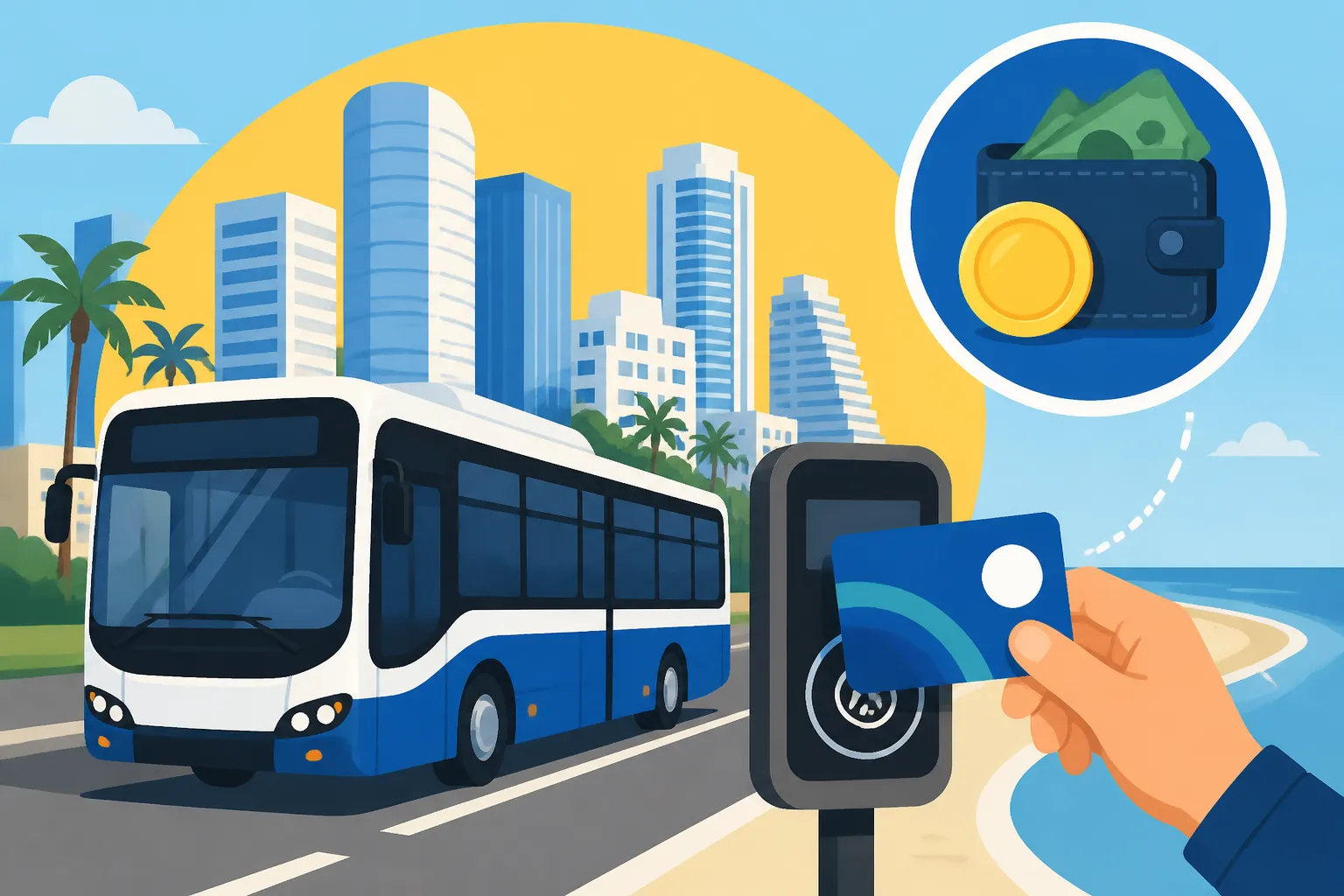
The absolute first thing you need to know about public transport in Israel, including Tel Aviv, is the Rav-Kav card. Think of it as your all-access pass, a smart card that you load with funds or a specific pass, and then simply tap when you board a bus, train, or the light rail. Gone are the days of fumbling for change on the bus (though cash is sometimes still reluctantly accepted by drivers if you're truly stuck, don't count on it!).
There are two main types of Rav-Kav cards:
- Anonymous Rav-Kav: You can buy these at many central bus stations, train stations, or even some kiosks. They're great for tourists or those who don't want to register their details. You can load it with "Erek Tzavur" (stored value) or a daily pass. The downside? If you lose it, your money is gone, and you can't load weekly or monthly passes that require personal identification.
- Personalized Rav-Kav: This is the one you really want if you're living here or staying long-term. You can get one at major Rav-Kav service centers (like Al HaKav offices in Tel Aviv's Central Bus Station, or at HaShmona train station). You'll need your ID (like a Teudat Zehut or passport) and possibly a photo. The huge advantage? It's registered to you, so if you lose it, your balance and passes can be restored to a new card. Plus, you're eligible for all discounts (student, senior, Oleh Chadash if applicable) and can load weekly or monthly passes. You can also easily manage and load your card online or through various apps. This is a game-changer for regular commuters.
Loading your Rav-Kav, whether anonymous or personalized, is straightforward. You can top it up at those same service centers, train stations, many supermarket chains (like Super-Pharm), or, most conveniently, via apps on your smartphone. We'll dive into the tech side a bit later, but having an active data connection is key for this, which is where a reliable eSIM like those from Airalo can really come in handy for constant connectivity.
Modes of Transport: Buses, Trains, Light Rail, and Shared Taxis
Tel Aviv offers a mix of public transport options, each serving a slightly different purpose and route, but all increasingly integrated through the Rav-Kav system.
- Buses: These are the workhorses of Tel Aviv's public transport. Companies like Dan and Egged operate extensive networks throughout the city and surrounding areas (the 'Dan Region'). Buses can get crowded, especially during peak hours, but they cover almost every nook and cranny. Fares are standardized for regional travel, meaning a ride within the Tel Aviv metropolitan area usually costs the same, regardless of distance, as long as it's within the same fare zone. This makes short hops or longer city journeys surprisingly consistent in price.
- Israel Railways (Rakevet Yisrael): The train system is excellent for intercity travel and connecting Tel Aviv to its northern and southern suburbs, and to Ben Gurion Airport. While less about getting around Tel Aviv itself, it's vital for commuters coming into the city from places like Herzliya, Rehovot, or even Haifa. Your Rav-Kav works seamlessly on the trains too, and you can load specific train passes or use your stored value. Understanding how to use the Rav-Kav card on public transport is key here, as you tap in and tap out for train journeys, with the system calculating the fare automatically.
- The Red Line Light Rail (HaKav HaAdom): This is the newest addition to Tel Aviv's transport arsenal, having just launched in late 2023. It dramatically changes how people move across the city, connecting Bat Yam, through south and central Tel Aviv, and up to Petah Tikva. It’s sleek, efficient, and definitely a game-changer. Just like buses and trains, your Rav-Kav is your ticket, and the fares are integrated with the national system. It's a fantastic alternative to the often-jammed bus routes and provides a much-needed boost to the city's transport infrastructure.
- Sherut (Shared Taxis): These yellow vans are a unique Israeli phenomenon. They follow fixed bus routes but operate on a "fill-and-go" basis, often running on Shabbat (Saturday) and holidays when regular public transport is shut down. They also offer a slightly quicker service during peak hours if you catch one right. While not officially part of the Rav-Kav system (you typically pay the driver in cash), their fares are usually comparable to a bus ride, sometimes a little more. For many expats, sheruts are a lifesaver for weekend travel.
Breaking Down the Costs: Single Rides and Passes
Now, let's talk shekels and cents. The pricing structure in Israel's public transport system has undergone significant reforms, aiming for more unified and understandable fares across the country. Tel Aviv falls under the "Dan Region" (Gush Dan) fare zone, which includes cities like Ramat Gan, Givatayim, Bnei Brak, Bat Yam, and Holon, making travel across these interconnected areas quite convenient.
Single Ride Fares: How Much Does a One-Way Trip Cost?
As of early 2024, a single bus or light rail ride within the same region (like the Dan Region) costs 5.50 NIS. This flat fare applies whether you're going one stop or ten stops, as long as you remain within the defined geographical area of the "Tariff Area 3 – Gush Dan". This is one of the most frustrating things to grasp, as someone from a city with distance-based fares, but it simplifies things once you get used to it.
Here’s a crucial detail: when you tap your Rav-Kav, that 5.50 NIS gives you a 90-minute transfer window. This means you can switch between buses, the light rail, or even short train rides within the same tariff area for free, as long as it’s within 90 minutes of your first tap. So, if your journey requires a bus and then a light rail connection, it only counts as one fare if done within that time. This is a huge benefit and helps make the public system more efficient for multi-leg journeys.
For longer distances, say from Tel Aviv to Jerusalem or Haifa, the fares increase. These are calculated based on national zones, with prices generally ranging from 16-27 NIS for a single journey between major cities. However, for getting around Tel Aviv itself, the 5.50 NIS fare is your baseline. Remember, this single fare is best for occasional users.
Daily, Weekly, and Monthly Passes: Maximizing Savings
For anyone who plans to use public transport regularly, relying solely on single rides will quickly drain your wallet. This is where the various passes, loaded onto your personalized Rav-Kav, become indispensable. These passes offer unlimited travel within specific geographical zones for a set period.
- Hofshi Yomit (Daily Pass): This pass offers unlimited travel within the Dan Region (or other specific zones) for a full calendar day, from midnight to midnight. The cost for the Dan Region is 12 NIS. If you plan to make more than two single trips (5.50 NIS x 2 = 11 NIS), this pass already saves you money. It's fantastic for days when you have multiple appointments or want to explore different neighborhoods in Tel Aviv, Ramat Gan, and Bat Yam.
- Hofshi Shvui (Weekly Pass): For those staying a week or with a consistent commute, the weekly pass is a solid option. It provides unlimited travel within the designated region for seven consecutive days. For the Dan Region, this typically costs around 60-70 NIS (as of current unified pricing). It’s ideal if you’re working or studying in Tel Aviv for short periods, or just want to explore extensively for a week.
- Hofshi Hodshi (Monthly Pass): This is the ultimate money-saver for residents and regular commuters. It offers unlimited travel within your chosen region for a full calendar month (e.g., all of March, regardless of when you buy it). A Hofshi Hodshi for the Dan Region costs approximately 225 NIS. If you commute five days a week, making two trips a day (5.50 x 2 x 20 working days = 220 NIS), you're already breaking even, and any additional weekend or evening travel is essentially free. Many expats find this pass to be the most economical solution for daily life.
These passes are all loaded onto your personalized Rav-Kav. You generally buy them for a specific geographic "cluster" or region. The "Gush Dan" or "Tel Aviv Metropolitan Area" pass covers the core cities. For those needing to travel further, say from Ashkelon to Tel Aviv daily, there are larger regional passes that cover multiple zones, naturally costing more.
The National Perspective: Beyond Tel Aviv
While this guide focuses on Tel Aviv, it's worth noting that the national fare reform has aimed to standardize pricing across different regions. This means that an intercity bus or train ride from Tel Aviv to, say, Herzliya (a shorter distance) will cost less than a journey to Haifa or Jerusalem.
For instance, a train ride from Tel Aviv's Savidor Central to Ben Gurion Airport typically costs around 16 NIS. Longer train journeys across the country, like from Tel Aviv to Haifa, can cost around 27.50 NIS for a single ticket. The beauty of the Rav-Kav is that it simplifies these calculations; you tap in at your origin and tap out at your destination, and the system automatically deducts the correct fare from your stored value or validates your pass.
Here’s a quick overview of some common fares for easy comparison:
| Fare Type | Coverage (Example: Dan Region) | Cost (NIS, approx. 2024) | Notes |
|---|---|---|---|
| Single Ride (Erek Tzavur) | Local within zone (90 min) | 5.50 | Best for occasional trips; 90-min transfer window |
| Hofshi Yomit (Daily Pass) | Unlimited within zone (24 hrs) | 12 | Cost-effective for 3+ trips in a day |
| Hofshi Shvui (Weekly Pass) | Unlimited within zone (7 days) | 60-70 | Ideal for regular week-long use |
| Hofshi Hodshi (Monthly Pass) | Unlimited within zone (1 month) | 225 | Best value for daily commuters; requires personalized Rav-Kav |
| Train to Ben Gurion Airport | Intercity | 16 | Separate fare from local passes; tap in/out |
| Train Tel Aviv to Haifa | Intercity | 27.50 | Longer intercity journey; tap in/out |
Practical Tips for Expats to Save on Transport
Moving to a new country like Israel, especially one where the cost of living can be quite high, means every shekel saved counts. Public transport, thankfully, offers several ways to keep your expenses down, provided you know how to navigate the system.
Leveraging Technology: Apps and Digital Solutions
Israel is very tech-forward, and public transport is no exception. There are several excellent apps that not only help you plan your journey but also pay for it, often with added convenience and sometimes even discounts.
- Moovit: This is probably the most essential app for any public transport user in Israel. It provides real-time bus and train schedules, live arrival times, and step-by-step navigation for almost all public transport options. It's available in English and integrates seamlessly with the Rav-Kav system, helping you understand routes and connections.
- Rav-Pass, Cello, and Pango: These are the primary apps that allow you to load money onto your Rav-Kav or even pay for individual rides directly from your phone without needing a physical Rav-Kav card for that specific ride (though a personalized Rav-Kav is still recommended for passes).
- Rav-Pass is often seen as the official app for managing your Rav-Kav. You can view your card balance, load Erek Tzavur, and purchase daily, weekly, or monthly passes. You just tap your personalized Rav-Kav card to the back of your phone (if it has NFC) to read or load it.
- Cello and Pango are widely used for parking, but they also offer a public transport payment option. You simply select "public transport," choose your operator (Dan, Egged, etc.), and scan the QR code inside the bus or light rail. The fare is deducted from your registered payment method. The major benefit here is that you don't even need to have a physical Rav-Kav on you to pay for a single ride, though you generally won't get the pass benefits this way. It's incredibly convenient when you've forgotten your card or it's a spontaneous trip.
Having a robust mobile data plan is absolutely essential for leveraging these apps effectively. Whether it's planning your route with Moovit or topping up your Rav-Kav on the go, you don't want to be caught without connectivity. Services like Airalo, which offer eSIMs for Israel, can be a lifesaver for ensuring you're always connected, especially when you're still figuring out the ropes and relying heavily on online resources. Just make sure your phone supports eSIM technology!
Understanding Discounts and Eligibility
The Israeli public transport system offers various discounts, primarily to specific demographics. If you qualify, ensure your personalized Rav-Kav is updated to reflect this, as discounts cannot be applied to anonymous cards.
- Students: University and college students are often eligible for significant discounts on monthly passes. You'll typically need to present proof of enrollment (student ID, letter from the institution) at a Rav-Kav service station to get this activated on your personalized card.
- Seniors (Olim Vadikim): Israeli citizens (including Olim Chadashim who qualify as citizens) over a certain age (60 for women, 67 for men) receive substantial discounts, often up to 50% off standard fares and passes. Again, this needs to be registered on your personalized Rav-Kav with proof of age.
- Children/Youth: Children generally receive discounts, especially for monthly passes.
- Disabled Persons: Individuals with disabilities are entitled to discounts upon presentation of relevant documentation.
For Olim Chadashim (new immigrants), while there aren't specific, direct public transport fare discounts solely for your Oleh status beyond the general categories mentioned, your overall absorption benefits (like the Sal Klita) can indirectly help cover initial living costs, including transport. The most important thing is to get your personalized Rav-Kav as soon as you have your Teudat Zehut (identity card) or Teudat Oleh, as this is the gateway to any eligible discounts. If you're wondering about your specific entitlements, it's always best to check with the Ministry of Aliyah and Integration or a Rav-Kav service center.
Walking and Cycling: The Tel Aviv Lifestyle
Tel Aviv is a surprisingly walkable and bike-friendly city, especially the central areas. For shorter distances, or if you're not in a rush, walking or cycling can be not only free but also a great way to experience the city's vibrant atmosphere.
- Walking: Many of Tel Aviv's popular neighborhoods, like Neve Tzedek, Rothschild Boulevard, and the beach promenade, are best explored on foot. For trips within a few kilometers, it’s often quicker to walk than to wait for a bus.
- Cycling: Tel Aviv has invested heavily in bike lanes, and cycling is a popular mode of transport. The city offers the Tel-O-Fun bike-sharing service with numerous stations around the city. You can purchase daily, weekly, or annual subscriptions. While not free, it's a cost-effective and enjoyable way to get around. Many residents also own their own bikes or electric scooters. Just be mindful of the often-chaotic traffic and pedestrian zones.
For newcomers, especially after a big move, getting comfortable with the public transport system is a priority. Services like Sirelo can assist with the logistics of your relocation, ensuring your belongings arrive safely, which then frees you up to focus on practicalities like figuring out your daily commute and whether a monthly pass is right for you. Starting with simpler, shorter journeys and gradually building up your confidence is a common approach.
Initial Transport Considerations for New Arrivals
The first few days, weeks, or even months in a new country are a whirlwind. You’re dealing with everything from How to Get Your Teudat Zehut and Tax File Number in Israel to How to Open an Israeli Bank Account as a Foreigner. Transport often falls into the "urgent" category, so being prepared can save a lot of stress.
Getting to Grips with the System Upon Arrival
Your first encounter with Israeli public transport will likely be from Ben Gurion Airport (TLV). The most efficient way to get into Tel Aviv is usually by train. The train station is located on the lower level of Terminal 3. You can buy a single ticket at the counter or machine (around 16 NIS to Tel Aviv) or, if you're planning to stay and have time, get an anonymous Rav-Kav and load it.
Once you’re in Tel Aviv, the challenge is understanding the local bus routes and connections. My advice:
- Download Moovit immediately: This app will be your best friend. It’s available in English and incredibly accurate. It tells you which bus to take, where to get off, and even warns you if traffic is causing delays.
- Locate a Rav-Kav Service Center: As soon as you can, head to a major Rav-Kav service center (like the one at Arlozorov 24, Tel Aviv, or Tel Aviv University train station) to get your personalized Rav-Kav. Don't put this off, as it unlocks all the best deals and security for your funds. Bring your passport/ID and Teudat Oleh if you're a new immigrant. This also applies to understanding How to Register with a Kupat Holim as a New Immigrant in Israel, as your ID is central to almost all bureaucratic processes.
- Familiarize yourself with your local routes: Spend some time using Moovit to understand the bus lines that serve your immediate neighborhood and how they connect to key areas like Dizengoff Center, Azrieli Mall, and the beach. Don't be afraid to take a few "exploratory" bus rides.
Remember, the initial stages of moving involve a lot of logistics. If you've used a moving service like Sirelo for your international relocation, they've taken care of the big stuff, leaving you to focus on settling into your new routine. Getting from the airport to your initial accommodation, whether by train or a private taxi, is just the first step in a long journey of discovery.
Navigating Language Barriers and Information Access
Let's be real, Hebrew can be a challenge, especially when you're just starting out. While most public transport signs and announcements are in both Hebrew and English (and sometimes Arabic), understanding specific instructions or asking drivers questions can be tough.
- Reliance on Apps: This is where apps truly shine. Moovit, Rav-Pass, and the others are designed to be intuitive and offer English interfaces, minimizing the need for verbal communication. They translate routes, tell you exactly where to get off, and even allow you to pay in English.
- English-Speaking Resources: Most major Rav-Kav service centers will have English-speaking staff, especially in Tel Aviv. Don't hesitate to approach them with your questions. They are there to help.
- Community Groups: Join expat Facebook groups or local WhatsApp groups. Other expats are often a fantastic source of real-time information, tips, and support, whether it's about a bus strike or the best way to get to the How Do I Get a Specialist Referral Quickly in Israel? for an urgent appointment. Many people also share experiences about How to Find an English-Speaking Doctor in Israel, which sometimes means navigating specific transport routes.
Getting comfortable with Tel Aviv's public transport system takes a bit of time and practice, but it's an essential skill for daily life in Israel. With your Rav-Kav, a good app, and a dash of patience, you'll be zipping around like a local in no time. This is also crucial when considering other aspects of life, such as The Complete Guide to Working in Israel as a Foreigner (2027) or exploring The Expat Guide to Finding a Job in Israel (2027), where daily commutes become a reality. And for families, knowing the transport options is vital for getting children to school, especially when navigating How to Enrol Your Child in an Israeli Public School or considering International and Bilingual Schools in Israel.
Whether you're looking for cheap ways to explore the city for fun or trying to budget your daily commute, the system in Tel Aviv offers flexibility. From a simple ride to a full monthly pass, there’s an option for every budget and lifestyle. Just remember to get that personalized Rav-Kav and keep your phone charged for those essential apps! Don't forget that using your Rav-Kav also helps with understanding How Bituach Leumi Health Contributions Work in Israel, as many official processes are linked to your identity card. And for those contemplating longer-term finances, understanding How Much Income Tax Will I Pay in Israel in 2026? will put transport costs into perspective within your overall budget.
Disclaimer
Please remember that public transport fares and regulations in Israel are subject to change by the Ministry of Transport and public transport operators. While this guide provides the most accurate information available as of 2026, it is always recommended to check the official Rav-Kav website, public transport apps, or local service centers for the very latest updates before making travel plans or purchases. This article is for informational purposes only and does not constitute official advice.