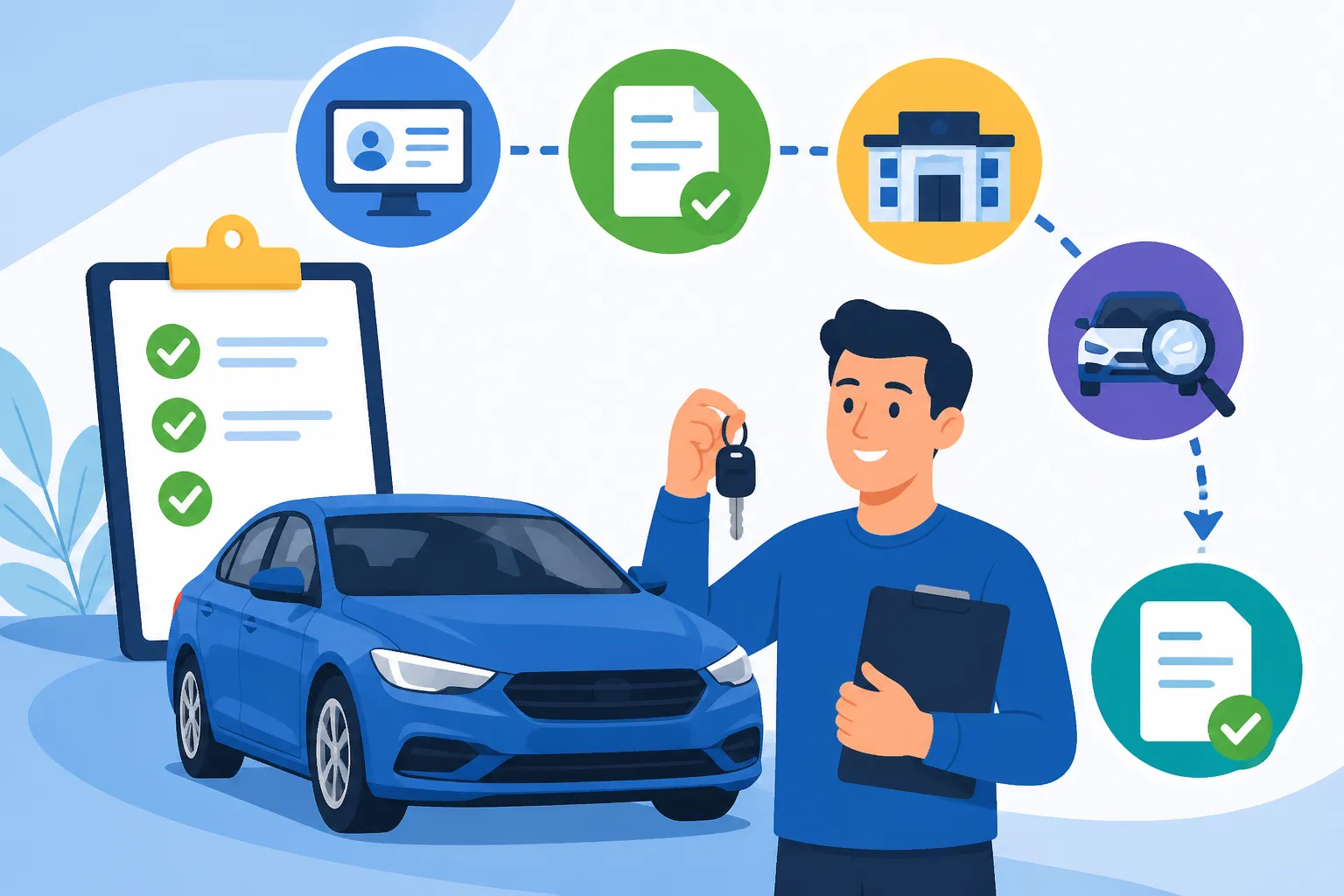
What Is the Process for Registering a Car in Israel?
Oh, the joy of car ownership in Israel! Or, as many of us expats would call it, the adventure of car registration. If you've just moved here, or you're considering buying a car, you're likely staring down a bureaucratic beast that can feel incredibly overwhelming, especially when the forms are all in rapid-fire Hebrew. But don't you worry, my friend. I've been there, wrestled with the forms, navigated the Misrad HaRishui (Ministry of Transport) and survived. This guide is going to walk you through the entire process of registering a car in Israel, from buying your vehicle to getting it legally on the road, with all the gritty details and expat-specific tips you need.
The Initial Hurdles: Understanding the Israeli Vehicle Landscape
Before you even think about forms and stamps, you need to understand the unique landscape of car ownership in Israel. It's not just about picking out a model; it's about navigating a system with hefty taxes, specific regulations, and a process that prioritizes local standards.
Importing vs. Buying Locally: The First Big Decision
One of the first major decisions you’ll face is whether to import a car you already own and love from abroad or to purchase one right here in Israel. This choice significantly impacts the registration process, your wallet, and your sanity.
Importing a car, especially for new immigrants (Olim Hadashim) or returning citizens (Toshavim Khozerim), can seem appealing, particularly if you have a special vehicle or want to avoid the high local prices. However, Israel levies extremely high taxes on imported vehicles, often called mas k'niya (purchase tax), which can be well over 80% of the car's value, depending on the engine size and type. While Olim Hadashim do receive some tax benefits, these are time-limited and require careful planning with customs before your arrival. You'll need to secure customs clearance, which is a whole other administrative saga involving documentation proving ownership, origin, and adherence to Israeli standards. Many find the tax savings, even with Olim benefits, are often eaten up by shipping costs, import duties, and the sheer hassle of the paperwork, inspections, and time involved. It's a journey best undertaken with professional help, or if you have a deeply compelling reason for that specific vehicle.
Most expats, myself included, opt to buy a car locally. This simplifies things immensely, as the vehicle is already in the Israeli system. You can choose between a brand-new car from a dealership or a used car. New cars come with dealership support, warranties, and a streamlined registration process handled by the dealer, but they also come with a hefty price tag due to the aforementioned taxes. Buying a used car is often the more economical and practical choice for many. This route, however, requires you to navigate the transfer of ownership, which is a common but specific procedure you'll need to master. Whether you buy new or used, understanding the local market and typical pricing is crucial, as vehicles tend to hold their value differently here.
Essential Documents You'll Need to Gather
Regardless of whether you import or buy locally, preparing your documents in advance is absolutely critical. The Israeli bureaucracy has a knack for finding the one missing piece of paper you don't have, bringing the entire process to a screeching halt.
For any car registration or ownership transfer, you'll definitely need your Teudat Zehut (Israeli ID card) or your Teudat Oleh if you're a new immigrant and haven't received your permanent ID yet. This is your primary form of identification for almost any official transaction in Israel. Next, your driving license is paramount. If you're a new immigrant, you typically have a grace period to drive with your foreign license before you need to convert it to an Israeli one. Make sure you understand the rules for How to Convert Your Foreign Driving Licence in Israel before you begin the car registration process, as you might need a valid Israeli license number sooner rather than later.
If you're buying a used car, you'll need the car's current registration document (rishayon rekhev), and a signed bill of sale (shtark mechira) from the previous owner. For imported vehicles, the paperwork gets even more complex, requiring customs release documents, proof of original ownership, and any certifications that the vehicle meets Israeli safety and emissions standards. This might include a temporary import permit or a specific declaration from the Misrad HaRishui. Always double-check expiry dates on all your documents, especially your driver's license and ID card, as an expired document will stop you dead in your tracks.
Navigating the Misrad HaRishui: The Registration Gauntlet
The Misrad HaRishui, or Ministry of Transport, is where all vehicle-related magic (or exasperation) happens. This is the central authority for everything from driver's licenses to vehicle registration. Be prepared for queues, potentially unhelpful clerks, and a strong dose of patience.
The Test Rishui Annual Vehicle Test: More Than Just an Inspection
Every single car in Israel, once it reaches a certain age (usually after the first year for new vehicles, then annually), must undergo a mandatory annual vehicle test, colloquially known as the test or techni (technical inspection). This is akin to an MOT in the UK or a safety inspection in other countries, but with its own Israeli flavour. It's not just a quick check; it’s a detailed inspection covering everything from brakes and lights to emissions and steering. You'll take your car to an authorized inspection station (machon rihsui), which you can find in most major cities and towns. It's a good idea to call ahead or check their hours online, as some can get incredibly busy.
Before you even think about taking your car for its annual test, you must pay the annual vehicle license fee (agra) and ensure your mandatory third-party insurance (bituach chova) is active. You won't be allowed to proceed with the inspection without these two prerequisites. You'll receive a notification in the mail or via SMS (if you're registered for digital government services) when your car's rishayon rekhev (vehicle license) is due for renewal. You can pay this fee online via the Gov.il website or at a post office. Once paid, ensure you have proof of payment, as you’ll need to show it at the machon rihsui. If your car fails the inspection, you'll be given a list of issues to fix. You'll then need to get the repairs done and return for a re-inspection, which usually incurs a small additional fee. It's a rite of passage for every car owner here! For more details, you can read our guide on Understanding the Annual Vehicle Test (Test Rishui) in Israel.
The Transfer of Ownership Process When Buying a Used Car
This is where many expats often start their car ownership journey. Buying a used car from a private seller or a dealer requires a formal transfer of ownership to make it legally yours. The most common way to do this for private sales is at a Doar Yisrael (Israel Post) branch that offers vehicle services. Both the buyer and the seller must be present, each with their Teudat Zehut (and a valid Israeli driving license, though for the seller, it's about being the registered owner, not necessarily driving the car to the post office).
Before you even meet at the post office, the buyer should ideally perform a shibud (lien) check to ensure there are no outstanding debts, fines, or police restrictions on the vehicle. This can be done online through the Misrad HaRishui website or by a private service. If a car has a shibud, it means it cannot be legally transferred until that debt or restriction is cleared. Once at the post office, you'll both present your IDs, the car's current rishayon rekhev, and pay a transfer fee. The post office clerk will then process the change of ownership. Critically, after the transfer is complete, the new rishayon rekhev will be issued in the buyer’s name. This process solidifies your legal ownership of the vehicle. For a deeper dive into registering your vehicle as a new resident, check out How to Register a Car in Israel as a New Immigrant.
Dealing with Insurance: Bituach Chova and Bituach Makif
Car insurance in Israel is non-negotiable and consists of at least two main types you need to be aware of: bituach chova (mandatory insurance) and bituach makif (comprehensive insurance).
Bituach chova is mandatory by law and covers bodily injury to drivers, passengers, and pedestrians in the event of an accident. You absolutely cannot drive a car in Israel without this basic coverage. It's crucial to purchase this before you even think about driving off the lot or completing the registration. The cost of bituach chova can vary significantly based on your age, driving record, car model, and even where you live. As an expat or new driver to Israel, you might find initial quotes higher until you establish a local driving history. Many major insurance companies like Harel, Clal, or Migdal offer this.
Bituach makif is comprehensive insurance, and while not legally mandatory, it's highly recommended. This covers damage to your own vehicle, theft, fire, and often includes third-party property damage. Think of it as protecting your investment. You can also get bituach tzad gimel (third-party liability only), which covers damage you might cause to another vehicle or property, but not your own. When getting quotes for bituach makif, compare different providers diligently. Factors like the car's value, security features, your driving history, and even your family status can influence the premium. It’s important to understand the deductible (hishtatfut atzmit) and what specific incidents are covered or excluded. Don't be afraid to shop around and negotiate; many insurance agents have English-speaking representatives to help expats navigate the jargon.
Common Pitfalls and Practical Tips for Expats
As an expat, you're not just dealing with a new system; you're often doing it in a new language, which adds layers of complexity and potential for frustration. But fear not, there are ways to make it smoother.
Language Barriers and Bureaucracy: Your Biggest Obstacles
Let's be real: Israeli bureaucracy is legendary, and the Misrad HaRishui is no exception. Forms are often exclusively in Hebrew, and while some clerks might speak a little English, you can't count on it. This can lead to misunderstandings, incorrect information, and repeated trips. The single biggest piece of advice I can give you is this: always try to bring a Hebrew speaker with you. Whether it's a friend, a colleague, or a hired assistant, having someone fluent in Hebrew can make a world of difference in understanding instructions, asking the right questions, and advocating for your needs.
Even without a physical helper, technology is your friend. Use your smartphone for real-time translation of documents or website pages. The Gov.il website, which is the portal for most government services, has an English interface for some sections, but crucial detailed information and forms are often in Hebrew only. Be prepared to slow down, double-check everything, and don't be afraid to ask for clarification, even if it means asking a kind stranger in the queue. And when you're out and about, especially while looking for a machon rihsui or a specific post office branch, having reliable mobile data is a lifesaver. Providers like Airalo can be incredibly helpful for expats, offering eSIMs for seamless connectivity without needing a local SIM straight away, letting you access translation apps and online information on the go.
The Role of a Car Broker (Me'atzer Rekhev)
For those who find the entire process too daunting, or if you're dealing with a particularly complex situation like importing a specialized vehicle or navigating tax exemptions, considering a car broker (me'atzer rekhev) might be a wise investment. These professionals are well-versed in the intricacies of the Misrad HaRishui, customs regulations, and insurance requirements. They can handle all the paperwork, appointments, and inspections on your behalf, saving you significant time, stress, and potential errors.
A good broker will guide you through every step, ensuring all documents are correctly filled out and submitted, and that you meet all legal requirements. While there's a fee for their services, many expats find it worthwhile, especially if their Hebrew is not strong, or if they have limited time to dedicate to bureaucratic tasks. They can also help with getting a fair valuation for your vehicle, advising on typical market prices, and even negotiating insurance terms. Think of it as having a personal guide through the maze, an investment in peace of mind.
Staying Connected on the Go: Essential Apps and Services
Beyond the paperwork, getting around Israel with your newly registered car means embracing some local digital tools. Waze is practically a national institution here; its real-time traffic updates and often hilarious Hebrew voice commands (which you'll quickly pick up) are indispensable for navigating even the shortest distances. Google Maps is a good alternative, particularly for public transport integration, but Waze really shines for driving directions.
Remember that while having a car offers immense freedom, public transport in Israel, particularly in major cities like Tel Aviv and Jerusalem, is extensive and constantly improving. For days you might prefer not to drive, or when you’re visiting congested city centers, knowing how to use your How to Use the Rav-Kav Card and Public Transport in Israel can be a fantastic alternative. Many parking apps like Cellopark or Pango are also essential for paying for street parking, which is rarely free and often requires prior registration. Getting these set up on your phone early will save you headaches when you're trying to quickly park and explore a new area.
After Registration: Ongoing Responsibilities
Once your car is officially registered in your name and you’ve got your rishayon rekhev in hand, the journey isn't quite over. Owning a car in Israel comes with ongoing responsibilities and annual commitments.
Annual Renewals and Fees
Every year, you will need to renew your vehicle's license (rishayon rekhev) and undergo the annual test. As mentioned earlier, you'll receive a reminder, usually a month or two before your license expires. This notice will include the amount due for the agra (annual fee), which you can pay online at the Gov.il portal, via phone, or at a post office. Once paid, ensure your bituach chova is still active, and then take your car for its test at a machon rihsui. Failing to renew your license or complete the test on time can result in fines and even impoundment of your vehicle if you're caught driving with an expired license. It’s a recurring, non-negotiable part of car ownership. For a detailed guide on what to expect, check out Understanding the Annual Vehicle Test (Test Rishui) in Israel. It truly is a recurring calendar item you can't afford to miss.
Selling Your Car in Israel
Should the time come to part ways with your vehicle, the selling process largely mirrors the buying process in reverse. You'll need to find a buyer, agree on a price, and then conduct the transfer of ownership at a Doar Yisrael branch with both parties present. Before you sell, it's wise to get a professional valuation (shum) to ensure you're pricing it fairly for the market. Many online platforms like Yad2 are popular for selling used cars.
Make sure all outstanding fines or shibudim (liens) on the vehicle are cleared before attempting to sell, as this will block the transfer. The buyer will typically want to see your rishayon rekhev and may request a b'dikat pre-kniya (pre-purchase inspection) at their chosen garage. This is standard practice and helps ensure transparency and trust. Once the transfer is complete at the post office, make sure you receive your portion of the payment immediately. If you're planning an international move and weighing your options about shipping your vehicle versus selling it, services like Sirelo can offer valuable insights and connections for international removals, whether it's your car or your household goods. For a deep dive into the practicalities of transferring ownership, our article on How to Transfer Vehicle Ownership When Buying a Car in Israel is a must-read.
Important Disclaimer
Please remember that while this guide provides comprehensive information based on current practices, laws and regulations in Israel, particularly concerning immigration, taxes, and vehicle registration, can change. It is always recommended to verify the latest requirements with official Israeli government sources (such as the Misrad HaRishui, Misrad HaPnim, and Rashut HaMasim), or consult with a qualified local professional for personalized advice. This content is for informational purposes only and does not constitute legal or professional advice.