How Do I Get a Prescription Renewed Online in Israel?
You are standing in front of your medicine cabinet on a Thursday evening, realizing you have exactly one pill left of your chronic medication. In many countries, this would trigger a frantic scramble for a physical doctor’s appointment, but in Israel’s highly digitized healthcare system, there is a better way. This guide explains exactly how to navigate the online renewal process, ensuring you never face a mid-weekend medication crisis again.
The Digital Shift in Israeli Healthcare
Israel has one of the most advanced digital healthcare infrastructures in the world, a fact that becomes incredibly apparent the moment you need to interact with your health fund, or Kupat Holim. If you have been living here for a while, you already know that the bureaucracy can be a headache, but the medical side is actually quite streamlined. The system is built around the idea that doctors should spend their time treating patients, not signing slips of paper for routine refills. This is why every major health fund—Clalit, Maccabi, Meuhedet, and Leumit—has invested heavily in robust mobile applications and web portals.
For an expat, the transition to using these digital tools is a rite of passage. In the beginning, you might feel the urge to call your doctor’s office or show up at the clinic to ask for a refill. However, you will quickly find that the administrative staff will point you toward the app. Understanding how these platforms work is essential for long-term comfort. If you are still in the early stages of your move, you might want to look into Choosing a Kupat Holim in Israel: Clalit, Maccabi, Meuhedet or Leumit (2027) to see which digital interface suits your needs best, as some are known for being more user-friendly for English speakers than others.
The digital ecosystem is designed to be centralized. Your prescriptions are not just pieces of paper; they are digital tokens tied to your identity number (Teudat Zehut). When a doctor renews your prescription online, it doesn't get "sent" to a specific pharmacy. Instead, it is uploaded to a cloud-based system that any pharmacy in your network can access the moment they swipe your magnetic health card. This level of integration is what makes online renewals so efficient, yet it can be confusing if you are used to the old-school way of carrying a physical script to the chemist.
How to Use Your Kupat Holim App for Renewals
The most common way to get a prescription renewed is through your health fund’s dedicated app. Whether you are with Clalit or Maccabi, the logic remains fairly consistent. You will need your login credentials, which usually consist of your Teudat Zehut number and a password or an SMS verification code. Once inside, you are looking for a section usually titled "Requests from Doctor" or "Digital Services."
When you navigate to the medication section, the app will typically show you a list of your "permanent medications"—those you have been prescribed for chronic conditions. You simply check the boxes for the ones you need and hit "submit." The request goes directly into your family doctor’s digital queue. For many of us, this is a lifesaver. You don't need to explain yourself or wait in a virtual lobby. As long as you have had a recent check-up or blood test as required by your specific treatment plan, the doctor will usually authorize the renewal within 24 to 48 hours. If you are struggling with the interface, you can find more help on How to Book Appointments Through Clalit and Maccabi Apps which often shares the same navigation path.
It is worth noting that if you are requesting a new medication or something you haven't taken in a long time, the online renewal tool might block the request. The system is smart enough to distinguish between a routine refill and a new medical intervention. In those cases, the doctor might send you a message through the app asking you to book a "telemedicine" or "phone" appointment. This is still much faster than a physical visit and keeps the digital workflow moving. For those who are new to the system, understanding How Do I Fill a Prescription at a Pharmacy in Israel? is the logical next step once that digital notification pops up on your phone.
Managing Prescriptions for Expats and Non-Residents
If you are in Israel on a work visa or are a digital nomad, you might not yet be fully integrated into the National Health Insurance system. This puts you in a slightly different position when it's time for a refill. For those on a B/1 visa, you are likely covered by private insurance mandated by your employer. While these private plans often provide access to Kupah clinics, the digital app experience might be limited or require different login protocols than those used by citizens.
For many temporary residents or those waiting for their residency status to finalize, navigating healthcare can feel like a gap in coverage. If you are in between systems or traveling through the region, a service like SafetyWing can be an excellent fallback for medical emergencies or unexpected doctor visits that might lead to a prescription. While SafetyWing is primarily travel medical insurance, having that layer of protection while you navigate the local bureaucracy is a smart move for any expat. It provides a safety net when the local digital systems aren't yet accessible to you.
If you don't have access to a Kupat Holim app, you can still get "online" help through private telemedicine portals. Several private clinics in Tel Aviv and Jerusalem offer video consultations for a fee. After the consultation, the private doctor can issue a digital prescription. However, keep in mind that a private prescription will not be subsidized by the "Health Basket" (Sal Briut). You will pay the full market price at the pharmacy. To understand the financial implications of this, you should review The Cost of Healthcare in Israel: A Complete Breakdown for Foreigners (2026) to avoid sticker shock at the counter.
The Role of Telemedicine and Video Consultations
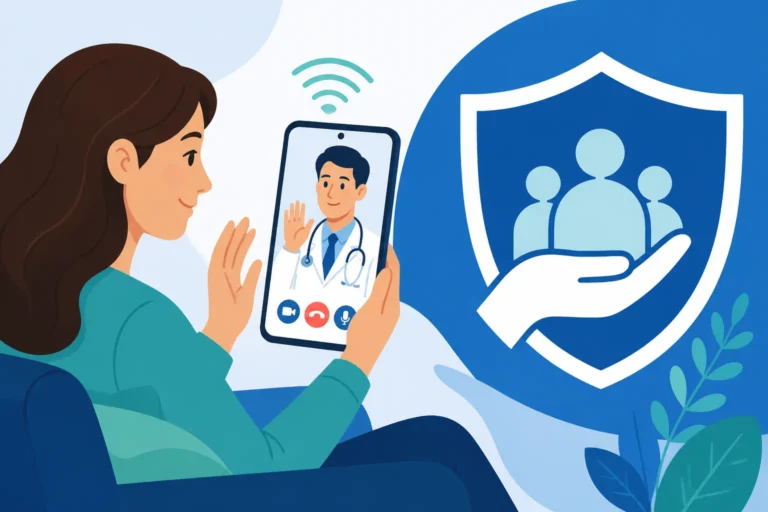
In recent years, especially post-pandemic, the "Video Visit" has become a standard feature of Israeli medicine. If your online renewal request is denied because the doctor wants to "see" you, you don't necessarily have to leave your house. Most health funds now offer a 24/7 "Online Doctor" service for family medicine, pediatrics, and even some specialists.
When you use the video service, the doctor has full access to your medical history. They can see your past blood tests, your history of chronic illness, and your previous prescriptions. During the video call, they can issue a new prescription or renew an old one instantly. This is particularly useful if you are traveling within Israel—say, on vacation in Eilat—and realize you forgot your medication. You can hop on a video call, get the renewal, and walk into any local pharmacy within minutes.
For those who prefer a more personal touch but can't make it to the clinic, this hybrid model is the gold standard. It bridges the gap between the cold efficiency of an app button and the time-consuming nature of an in-person visit. If you are currently looking for a provider who is comfortable with this digital format, it helps to know How to Find an English-Speaking Doctor in Israel so you can communicate your needs clearly over a video link. SafetyWing users often find that having their medical records in English makes these consultations go much smoother, even when dealing with local Israeli providers.
Understanding the "Beit Mirkachat" Pharmacy Experience
Once your prescription is renewed online, the "Beit Mirkachat" (pharmacy) is your next stop. In Israel, pharmacies are generally divided into three categories: those located inside the Kupat Holim clinics, large chains like Super-Pharm or Be, and small independent local pharmacies. If your prescription was renewed through your Kupah's online system, you will get the best price by going to the clinic pharmacy or a chain that has a specific agreement with your fund.
When you arrive, you don't need to show a phone screen or a printout. You simply hand over your magnetic card or your Teudat Zehut. The pharmacist will "pull" the prescription from the cloud. It is a seamless process, but there is a cultural nuance to be aware of: "The Queue." In many Israeli pharmacies, you need to take a number from a machine. Don't just stand in line; look for the kiosk, select the service you need (usually "Prescriptions"), and wait for your number to appear on the screen.
| Method | Best For | Speed | Cost |
|---|---|---|---|
| Kupah App Request | Chronic meds you take every month | 24-48 hours | Subsidized (Low) |
| Video Consultation | New symptoms or expired chronic scripts | Immediate | Subsidized |
| Private Telemedicine | Tourists or those without a Teudat Zehut | Immediate | Full Price (High) |
| Pharmacy "Request" | Emergency refills (some pharmacists can ping your doctor) | Variable | Subsidized |
For those who are not yet comfortable with the Hebrew interface of the kiosks, knowing the layout of a Prescription Medications and Pharmacies in Israel: The Complete Guide can save you a lot of stress. If you are using SafetyWing, make sure to keep your receipts, as you may need to submit them for reimbursement if the medication was prescribed for a covered medical emergency.
Common Pitfalls and How to Avoid Them
The most common frustration with the online renewal system is the "Validation Period." Most prescriptions are valid for a specific window—often 30 days from the date of issuance—and you can usually only hold three months' worth of refills at a time. If you try to renew a medication too early, the system might reject the request, citing that you should still have a supply on hand. This is a safety feature to prevent medication hoarding, but it can be annoying if you are planning a long trip abroad.
Another hurdle is the language barrier. While the apps are increasingly offering English versions, the "Doctor's Notes" or the specific names of medications might still appear in Hebrew. It is highly recommended to use a translation app or ask a Hebrew-speaking friend to help you set up your "Permanent Medications" list for the first time. Once it is set up, the renewal is just a matter of clicking the same buttons every month.
If you are a new immigrant, you might find the initial registration process for these digital services to be a bit bureaucratic. You often need to visit the clinic secretary in person once to "verify" your identity before the app features are fully unlocked. This is a one-time hurdle. Once you are in, the system is yours to use. Newcomers should check How Do I Register with a Kupat Holim After Making Aliyah? to ensure they have all the paperwork needed to trigger this digital access.
Traveling with Israeli Prescriptions
What happens if you are an expat living in Israel but you need to travel back home or go on a business trip? Can you still use the online system? The answer is yes, but with limitations. You can request a renewal from anywhere in the world via the app, but the medication can only be dispensed at an Israeli pharmacy. You cannot "transfer" an Israeli digital prescription to a pharmacy in London or New York.
If you are going to be away for an extended period, you should talk to your doctor about "Advanced Dispensing." They can sometimes issue a script for a six-month supply, though you will likely need to pay a higher co-payment or get special authorization. This is another area where SafetyWing becomes invaluable. If you run out of medication while abroad, SafetyWing can help you find a local doctor in your current location to get a local prescription, ensuring your health remains stable until you return to the Israeli system.
For those planning to move their life here permanently, understanding Navigating the Israeli Healthcare System: An Expat's Roadmap (2027) will provide the broader context of how these small tasks, like renewing a pill, fit into the larger picture of your life in the Middle East. It’s all about building a routine and learning which buttons to push before you reach that last pill in the bottle.
Safety and Privacy in the Digital Age
A final word on security: Israel takes medical privacy very seriously. The apps use two-factor authentication for a reason. Your medical history, including every prescription you have ever filled, is stored in the national database. This is a massive benefit for your health—any doctor at any hospital can see your allergies and current medications—but it does mean you need to be careful with your login details.
If you lose your phone or suspect your account has been compromised, contact your Kupat Holim's call center immediately (usually *2700 for Clalit or *3555 for Maccabi). They can reset your digital credentials. As an expat, you are already dealing with enough challenges; don't let a medical identity issue be one of them. By staying proactive and using the digital tools at your disposal, you can turn a potentially stressful administrative task into a two-minute tap on your smartphone.
Disclaimer
The information provided in this guide is for educational and informational purposes only and does not constitute professional medical or legal advice. Israeli healthcare regulations and digital platforms are subject to frequent updates. Always consult with your healthcare provider or the official representatives of your Kupat Holim regarding your specific medical needs and insurance coverage. Enrollment in a health fund is mandatory for residents under the National Health Insurance Law.