How Do I Set Up Water and Gas in My Israeli Apartment?
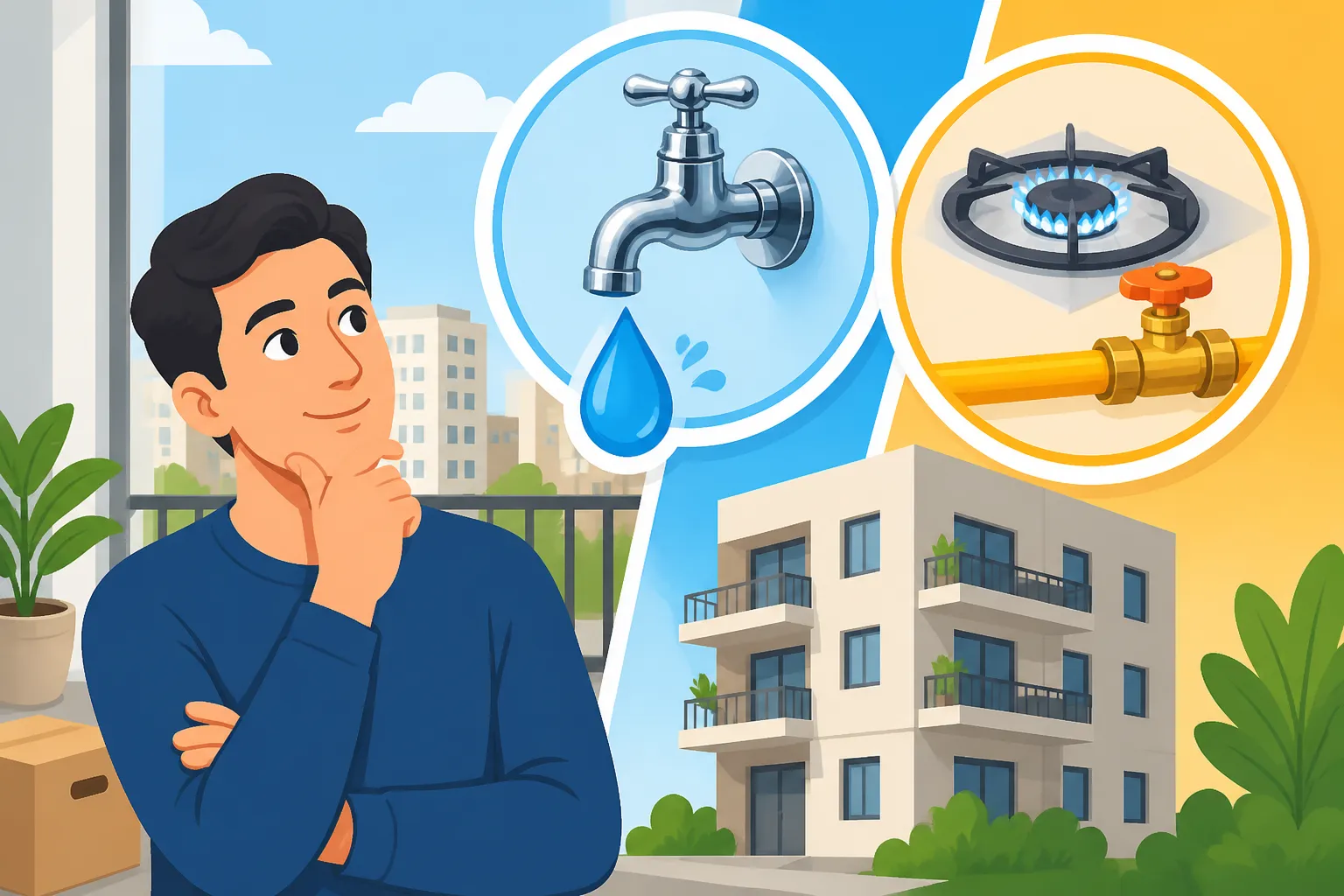
Moving into a new apartment in Israel can be exhilarating – finally, your own space! But then reality hits: the dreaded administrative tasks. One of the biggest headaches newcomers face is setting up essential services like water and gas, which often feels like navigating a labyrinth designed by Kafka. The forms are in Hebrew, the phone lines are busy, and the rules seem to change depending on who you speak to. This guide will walk you through the nitty-gritty of getting your water and gas connected, making the process a little less overwhelming and a lot more manageable for you.
Understanding the Israeli Water System and Connection Process
Ah, water. You can’t live without it, especially during a sweltering Israeli summer. Unlike some countries where a single national provider handles everything, water services in Israel are typically managed by local or regional water corporations, often linked to the municipality. This means your water provider will depend entirely on where you live – whether it's Tel Aviv, Jerusalem, or a smaller yishuv in the Galilee. It’s not just a matter of turning on a tap; there’s a distinct process to ensure you’re registered and billed correctly.
Locating Your Water Meter and Service Provider
The first step, even before moving in, is figuring out who your water provider is. If you're renting, your landlord is your best friend here. They should know the local water corporation (תאגיד מים וביוב, ta'agid mayim v'biyuv) and ideally have the previous tenant's account details, which can significantly smooth your transition. If you’re buying, your real estate agent or lawyer will be able to provide this information. In many apartment buildings, there’s a main building meter, and then individual apartment meters. You’ll usually be responsible for your individual meter reading and payment, even if the building committee (Vaad Bayit) handles the communal areas.
Once you know the corporation, you’ll need to locate your water meter. For apartments, these are often grouped together in a central location in the building's basement, ground floor, or sometimes even on each floor. Each meter will have a unique number, which is crucial for registration. Take a photo of it, along with the current reading, as proof when you contact the company. Remember, this isn't just a formality; if you don't register, you could end up paying for the previous tenant's usage, or worse, have your water disconnected.
The Registration Process for Water
With your provider identified and meter number in hand, it’s time to register. This typically involves contacting the water corporation directly. Many now offer online portals, but prepare for phone calls and potentially a visit to their local office. You'll need your Israeli identity card (Teudat Zehut) or passport, your lease agreement (Chozeh Schirut), and the exact address. Some cities, like Tel Aviv, have dedicated English-speaking lines or sections on their website, but often it’s a matter of patience and relying on Google Translate or a helpful Hebrew speaker.
When you call, state clearly that you are a new tenant/owner and wish to open a new account (ptichat cheshbon chadash). They will ask for your personal details, the property address, and the meter number. It’s also wise to ask for confirmation of the last reading they have on file and compare it with yours to ensure you’re not starting with an existing debt. You’ll also need to set up a payment method. Direct debit (Hora'at Keva) from an Israeli bank account is the most common and convenient option, ensuring you don't miss payments. You can read more about how to set up online banking and transfers in Israel to prepare for this step.
Water Quality and Conservation in Israel
Having lived here for years, I can tell you that Israel’s tap water is generally safe to drink, especially in major cities. It undergoes rigorous treatment, including desalination, which makes it perfectly potable. However, due to its hard mineral content, many expats opt for filtered water for drinking to avoid limescale buildup in kettles and coffee machines. You'll find a wide array of water filters and purification systems available in supermarkets and hardware stores across the country.
Israel is a desert country, so water conservation is deeply ingrained in the culture. Don't be surprised by public service announcements reminding you to save water, especially during drier years. Your water bill will often detail your consumption, sometimes comparing it to averages. Being mindful of your water usage isn't just good for your wallet; it's a vital part of living responsibly in this region. You might notice that your How to Set Up Waste and Recycling Collection in Israel bill is sometimes linked to your water consumption, further emphasizing the interconnectedness of municipal services.
Connecting to Gas Services in Israel: The Essentials
Gas in Israel is primarily used for heating water and cooking, and it’s a critical utility to get sorted. Unlike water, which is usually municipal, gas services are almost exclusively provided by private companies. This can sometimes make the process a bit more streamlined, as these companies often have better customer service infrastructure.
Identifying Your Gas Provider and System Type
Just like with water, your first mission is to identify your gas provider. The big three in Israel are Amisragas, Pazgas, and Supergas. One of these companies almost certainly serves your building. Again, your landlord, real estate agent, or even the building's Vaad Bayit (building committee) will know. Often, there's a sticker or plaque near the gas meter or the main gas tanks outside the building indicating the provider.
There are two main types of gas systems in Israeli apartments:
- Centralized System (גז מרכזי, gaz merkazí): This is common in apartment buildings. There are large gas tanks or a main pipeline serving the entire building, and individual apartments have meters. You’ll be billed based on your individual consumption.
- Individual System (בלוני גז, balonéi gaz): More common in older buildings or private homes, this involves individual gas cylinders (balonim) connected directly to your apartment. When a cylinder is empty, you call the company for a replacement.
Understanding which system you have is crucial. For a centralized system, you'll simply need to register your meter. For individual cylinders, you'll need to set up an account and arrange for initial delivery of the cylinders. This can impact your The Complete Guide to Cost of Living in Israel for Expats as central gas is often cheaper per unit.
Activating Your Gas Connection
Once you've identified your provider and system type, contact the gas company. They will need your personal details (Teudat Zehut/passport), lease agreement, and address. If it’s a centralized system, they’ll ask for your meter number. If it’s individual cylinders, they’ll schedule a delivery and installation. Be aware that for a new connection or if the gas has been off for a while, a technician might need to visit your apartment to ensure everything is safe and properly connected. This is a mandatory safety check, so don’t try to bypass it.
Make sure to confirm the date and time of any technician visit. Waiting around all day for a technician is a universal frustration, and Israel is no exception! If you're not fluent in Hebrew, try to have an Israeli friend or neighbour available to help with communication during the visit. They’ll likely check all your gas appliances (stove, water heater) for proper function and safety. This is also a good opportunity to understand how to turn the gas off at the main valve in your apartment in case of an emergency. When you're just arriving, having reliable ways to communicate is key – consider getting a local SIM or an e-SIM from a provider like Airalo to ensure you can make these critical calls.
Safety Measures and Maintenance for Gas
Gas safety is paramount. When the technician visits, they’ll explain the safety features of your system. You should be aware of the location of your main gas shut-off valve within your apartment. If you ever smell gas, immediately turn off the main valve, open windows, evacuate the apartment, and call your gas provider's emergency line (which they will provide during registration) or the national emergency number 102 for fire and rescue services. Do not switch on or off any electrical appliances, as sparks could ignite leaked gas.
Regular maintenance for gas systems, especially for individual cylinders, is generally handled by the gas company. For centralized systems, the building committee might arrange periodic checks. If you have any concerns about your gas appliances or suspect a leak, always contact your provider immediately. They are legally obligated to send a technician for safety checks. This attention to detail is why it's so important to have a clear understanding of your utility setup as part of your overall The Expat Guide to Setting Up Utilities in Israel.
Navigating Utility Bills and Payments
Once you're connected, the next hurdle is understanding and paying your bills. This can be surprisingly tricky due to varying billing cycles, co-payments, and often, the language barrier.
Deciphering Your Utility Bills
Israeli utility bills, whether for water or gas, can be a puzzle for newcomers. They’re almost always in Hebrew, though some larger cities or national providers might offer English versions online. Your water bill, for example, will likely come from your local water corporation, but it often includes charges for sewage (ביוב, biyuv) and sometimes even Arnona (municipal property tax) or garbage collection. This bundling of services means a seemingly high water bill might not just be for water. You'll want to understand Understanding Arnona Municipal Property Tax in Israel as it's a significant recurring cost.
The bill will typically show your consumption in cubic meters for water or units for gas, the current reading, the previous reading, the billing period, and the due date. Look for keywords like "צריכה" (tzricha, consumption), "קריאה נוכחית" (kri'ah nochachit, current reading), "קריאה קודמת" (kri'ah kodemet, previous reading), and "תאריך תשלום אחרון" (ta'arich tashlum acharon, last payment date). Many bills also detail the tariff structure, including different rates for basic consumption and higher rates for exceeding certain thresholds. Don't hesitate to ask your landlord or a trusted Israeli friend to help you translate and understand your first few bills.
Payment Methods and Avoiding Disconnections
The most common and recommended way to pay utility bills in Israel is via direct debit (הוראת קבע, Hora'at Keva) from your Israeli bank account. This ensures payments are made automatically on time, saving you from late fees and the stress of remembering due dates. You can usually set this up when you register for the service, or later via your bank's online portal or a visit to the utility company's office. Another option is through the utility company's website or app, using an Israeli credit card. Some people still pay via postal bank (דואר בנק, Doar Bank) or ATM, but these are less convenient.
Missing payments can lead to service disconnections, which are a huge hassle to reinstate. If you anticipate difficulty paying a bill, contact the utility company before the due date. They might be able to offer a payment plan or extension. Remember, the bureaucracy can be slow, so proactive communication is key. It’s a good idea to keep records of your payments and any communication with the utility companies.
Tips for a Smooth Utility Setup Experience
Navigating Israeli bureaucracy is a rite of passage for every expat. Here are some seasoned tips to make your utility setup as painless as possible.
Language Barriers and Getting Assistance
Let's be frank: the language barrier is real. While many Israelis speak excellent English, official government and utility customer service lines are often primarily in Hebrew. Don’t get discouraged! Here’s what can help:
- Friends/Family: If you have Israeli friends or family, leverage their help. A quick phone call in Hebrew can often resolve issues faster than a lengthy, frustrating attempt in English.
- Landlord/Agent: Your landlord or real estate agent often has an interest in making sure utilities are set up correctly. Don't hesitate to ask for their assistance, particularly for the initial calls.
- Translation Apps: Google Translate or similar apps can be lifesavers for understanding forms and website content, though they are less useful for live phone calls.
- Hebrew Learning: Start learning Hebrew as soon as you can. Even basic phrases related to utilities will make a difference. Many new immigrants enrol in Ulpan courses, which are invaluable for navigating daily life. Check out Learning Hebrew: A Complete Guide to Ulpan and Language Levels for more information.
- Expat Groups: Online expat forums and Facebook groups for Israel are full of people who've been through it all and are often willing to share tips or even offer direct help.
Moving In/Out: Transferring Utilities
When you move into a new place, make sure the utilities are transferred into your name immediately. Don't assume the previous tenant's account will simply "roll over." As mentioned, take meter readings on your move-in date and send them to the respective companies. This prevents you from being liable for someone else's usage. The process for transferring utilities when you sign a How to Sign a Rental Contract (Chozeh Schirut) in Israel is vital.
Similarly, when you move out, ensure you formally disconnect or transfer utilities out of your name. This involves notifying the water and gas companies, providing your final meter readings, and settling any outstanding bills. Get written confirmation that your account has been closed or transferred. Ignoring this step can lead to you being billed for the next tenant's consumption, chasing you long after you've left. Companies like Sirelo, which specialize in international relocations, often offer advice on these administrative steps as part of their broader moving services, helping you manage the logistics both in and out of the country.
Practical Checklist for Utility Setup
To keep everything straight, a simple checklist can be incredibly helpful. Here’s a summary of key actions and items you’ll need:
| Task | Required Documents/Information | Key Action | Notes |
|---|---|---|---|
| Identify Providers | Apartment address, Landlord contact | Ask landlord/agent, check building notices | Water: Local water corp; Gas: Amisragas/Pazgas/Supergas |
| Locate Meters & Readings | N/A | Find water/gas meters, note down numbers & current readings | Take photos for proof. |
| Register Water Service | Teudat Zehut/Passport, Lease agreement, Meter number, Bank details | Contact local water corporation (online/phone/office) | Set up Hora'at Keva (direct debit). |
| Register Gas Service | Teudat Zehut/Passport, Lease agreement, Meter number (if central) | Contact gas company (online/phone/office) | If individual tanks, schedule delivery/installation. Safety check by technician likely. |
| Understand Bills | First bill from each provider | Review with Hebrew speaker, Google Translate | Look for consumption, readings, due date, bundled charges. |
| Set Up Payments | Israeli bank account details, Credit card (optional) | Set up Hora'at Keva for automatic payments | Avoid late fees and disconnections. |
| Emergency Contacts | Provider emergency numbers | Keep handy for gas leaks or water emergencies | 102 for fire/rescue. |
| General Communication | Working phone number, Email address | Be reachable for technicians/customer service | A reliable e-SIM from Airalo can be invaluable upon arrival for this. |
This table serves as a quick reference, but remember, detailed follow-up on each point is essential. Settling into your new Israeli apartment involves a lot more than just unpacking boxes. Getting your utilities sorted, like learning How to Set Up Electricity (Chevrat HaChashmal) in Your Israeli Home, is a foundational step that will allow you to truly start feeling at home.
The initial days and weeks of setting up your new life in Israel can feel like a blur of paperwork, phone calls, and new terminology. From Registering Your Address with the Population Authority in Israel to choosing an internet provider, it’s a lot to take in. But take it one step at a time, gather your documents, don't be afraid to ask for help, and you’ll get there. Before you know it, you’ll be enjoying hot showers and cooking up a storm in your new Israeli home, feeling like a seasoned veteran of the local administrative maze.
Disclaimer
The information provided in this guide is for general informational purposes only and does not constitute legal or professional advice. While we strive to keep the information up-to-date and accurate, regulations and procedures in Israel can change frequently. It is always recommended to consult with the relevant service providers, government authorities, or a qualified professional for the most current and specific advice pertaining to your individual situation.